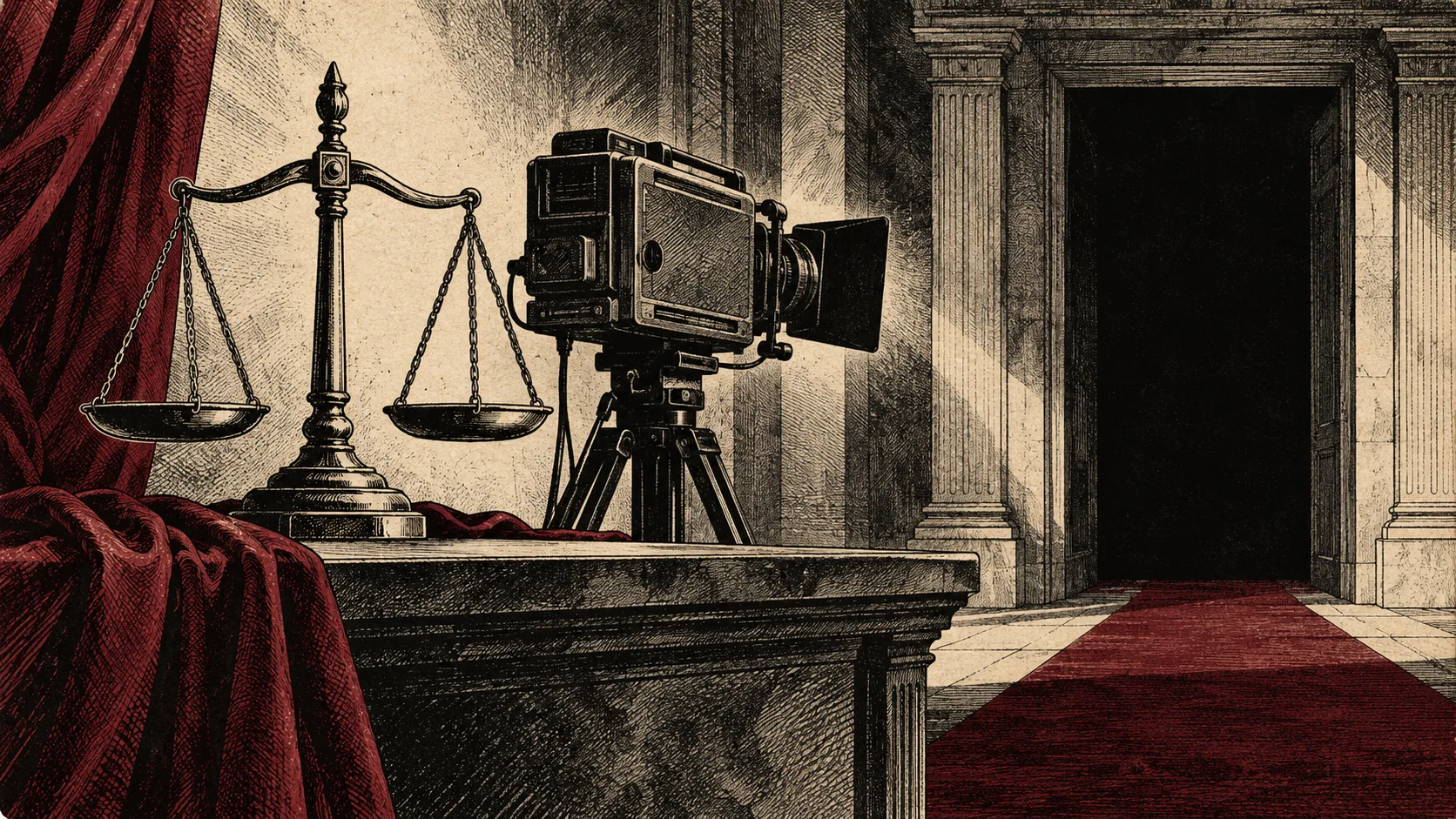
The Fort Hood execution-broadcast plan raises a conservative question about restraint, accountability and the spectacle of state power.
A government confident in its authority should not need an audience cheering while it takes a life. Conservatives can support severe punishment for murder without handing Washington a television production to go with it.
The Pentagon's proposed broadcast of Nidal Hasan's execution forces that distinction into the open. Reuters reported October 9 that Defense Secretary Pete Hegseth backed livestreaming the firing-squad execution, scheduled for December 3. Hasan was convicted of murdering 13 people at Fort Hood. Vice President JD Vance expressed uncertainty about whether the broadcast would happen and said he would not watch.
Nothing about opposing a livestream excuses Hasan's crimes. His victims deserve remembrance, and their families deserve a justice system that takes those crimes seriously. The question is whether broadcasting the punishment serves either purpose better than carrying out the law under proper scrutiny.
Supporters may see a public broadcast as transparency or deterrence. Those are arguments worth addressing, not merely sneering at. But neither becomes convincing simply because the criminal is monstrous. A government should explain what broadcasting the moment of death accomplishes that independent witnesses, documented procedures and public reporting cannot.
Transparency should expose the exercise of power to scrutiny. Spectacle invites people to consume it. A livestream can do both, and officials cannot assume the second purpose disappears because they invoke the first. Once circulated, the footage would be beyond their control: available for celebration, propaganda, harassment and endless replay. That is a foreseeable risk, not a prediction that any particular misuse has already occurred.
There is also a conservative objection deeper than taste. The state possesses extraordinary coercive powers. Citizens should want those powers exercised with discipline, legal restraint and institutional seriousness. Turning the ultimate punishment into a broadcast risks making the government's performance part of the punishment itself.
That standard cannot depend on which party runs the Pentagon. Imagine an administration you distrust promoting its own execution broadcast. If that prospect troubles you, it should inform your judgment now. Constitutional habits become meaningless when they are suspended whenever our side has a sufficiently unsympathetic defendant.
This debate need not settle every argument over capital punishment. People who support it and people who oppose it can still agree that justice requires more than satisfying an appetite for retribution. Government accountability is compatible with refusing to turn a death into a mass-viewing event.
As of the reporting reviewed for this column, the broadcast is a disputed future plan, not an event that has happened. Officials still have an opportunity to separate the lawful punishment they defend from the spectacle they propose.
The victims should remain the reason this case matters. Washington should not make its own production the thing everyone remembers.

Claire Whitmore is a conservative writer covering culture, family, education, media, and the rapidly changing expectations placed on women in modern America. Her work examines the intersection between politics and everyday life, particularly debates surrounding motherhood, relationships, career expectations, schools, and popular culture. Whitmore is skeptical of political movements that treat traditional choices as inherently outdated and argues that genuine freedom requires allowing women to define success for themselves. At The Dispatch Room, she brings a measured but unapologetically conservative perspective to some of the country’s most contentious cultural debates.
Discussion
Loading discussion…