Commentary
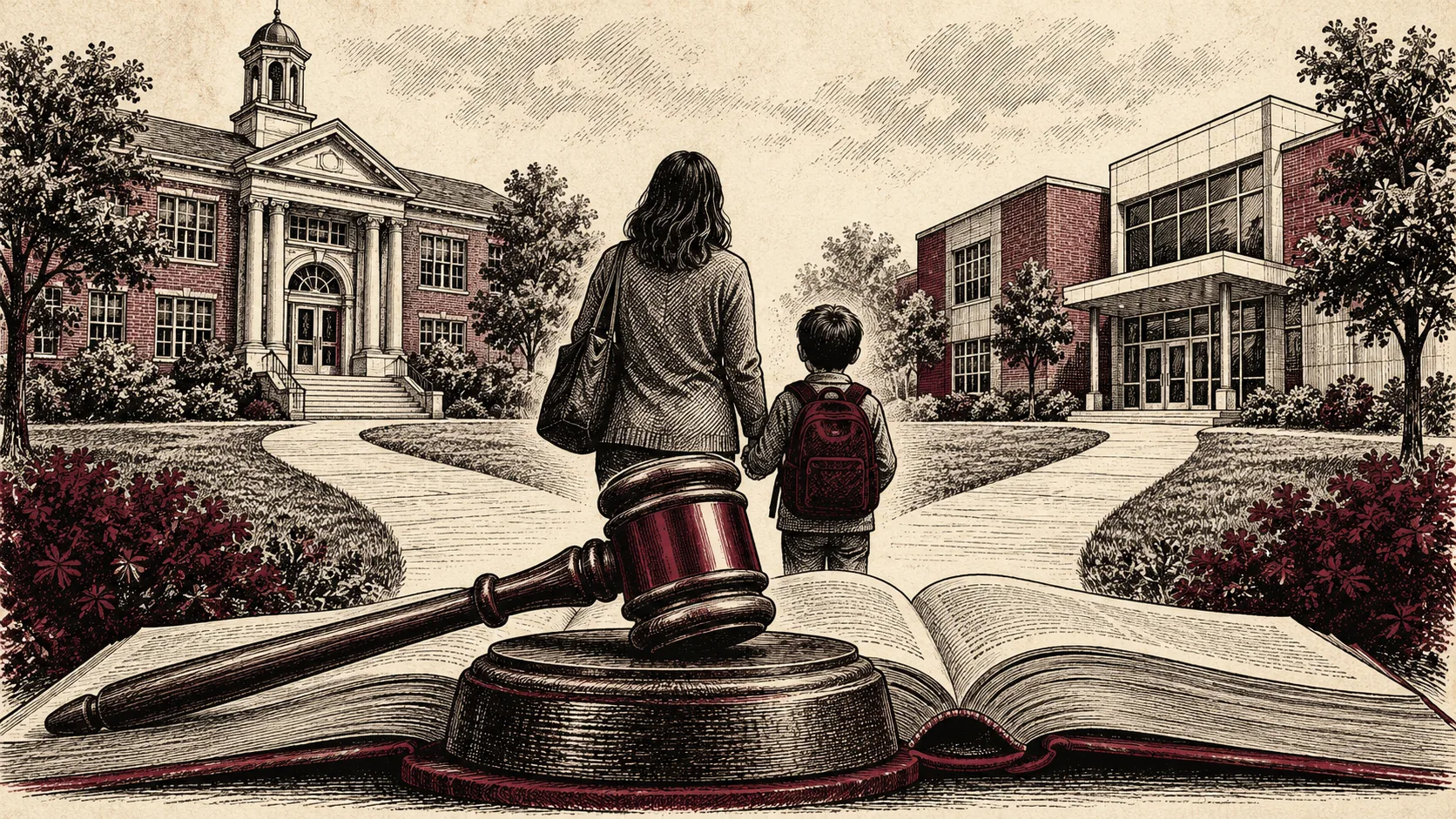
Ohio’s Voucher Fight Should Start With Families, Not Institutional Turf
The latest EdChoice ruling leaves scholarships operating while the legal fight continues. Parents deserve meaningful options, clear rules and less uncertainty.
The Education desk follows conflicts involving schools, universities, parental rights, academic freedom and professional culture. Coverage asks who makes the rules, what students are taught and whether public institutions remain accountable to the families they serve.
The latest EdChoice ruling leaves scholarships operating while the legal fight continues. Parents deserve meaningful options, clear rules and less uncertainty.

A newly reported school-bus investigation raises basic questions about supervision, communication and who answers when vulnerable children are let down.

Raines volleyball players have been reinstated. The lasting lesson should be clear expectations and a fair review process.

The canceled Reggio Emilia trip raises a basic question: should professional learning depend on a declaration about Israel?

New York’s virtual-tutoring exemption shows why classroom technology rules should serve learning rather than slogans.

New York is joining the federal scholarship tax-credit program. More options for families deserve a fair test—and real accountability.

PEN’s new school-library figures demand scrutiny. So do the definitions, age distinctions and decisions behind them.
The DOJ’s new review raises serious questions about federal power. Accountability requires the records, not a partisan shortcut.
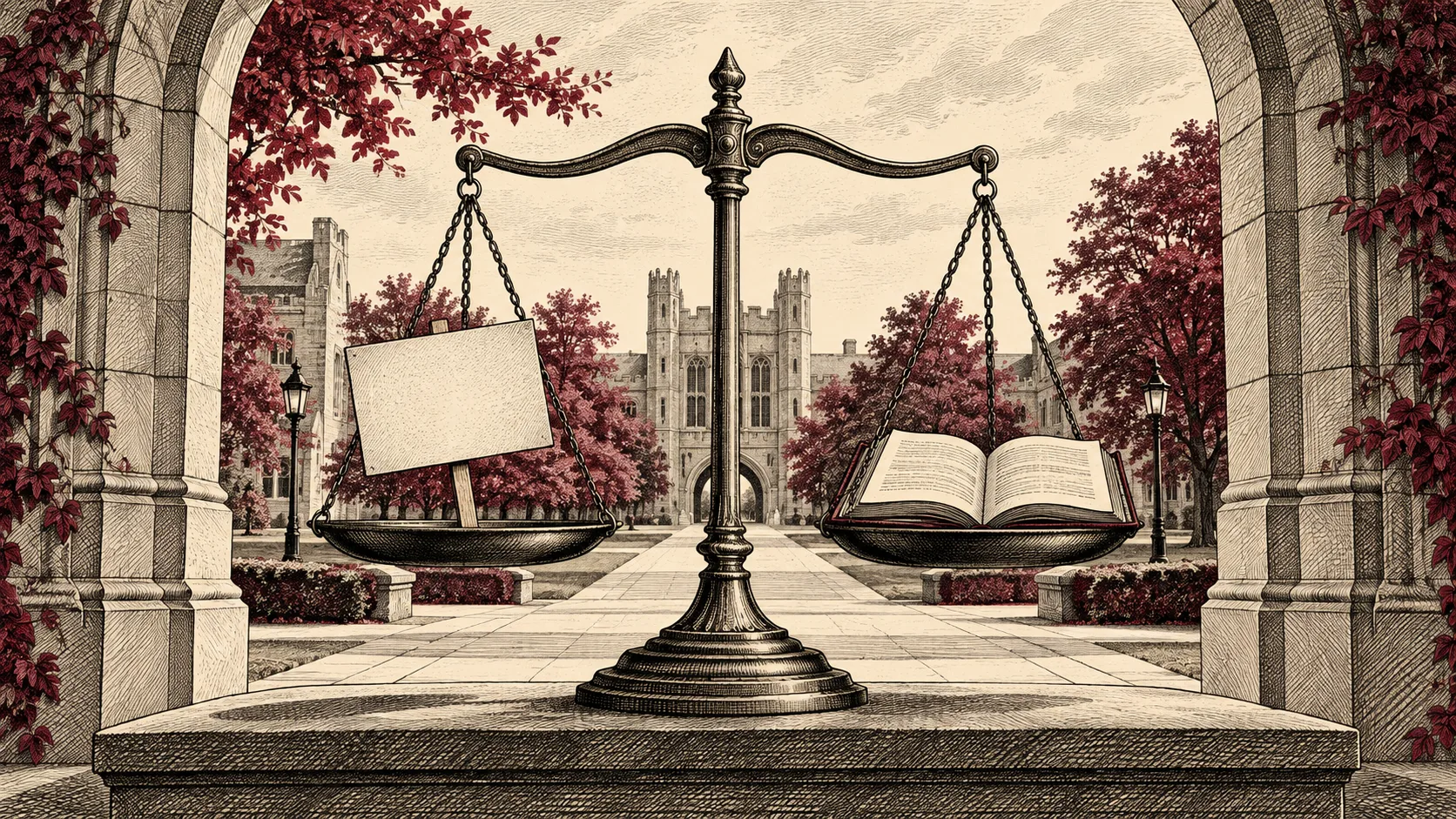
UT-Austin won a protest-rights case. The broader lesson is consistent rules, fair process and room for both dissent and learning.

Oklahoma’s new charter-school ruling makes the case for parental choice—and for applying religious liberty consistently.

Oakland’s targeted support programs face a civil-rights complaint. Schools should preserve useful help while making access fair and transparent.

New South Wales is setting classroom screen limits. American schools should consider the principle without pretending every device is a problem.
New campus rankings show improvement, but too many universities still fall short of their promise to encourage independent thought.

A prosecutor’s request for an investigation raises a basic question: can taxpayers follow the decisions made with their money?

Microsoft's new school privacy agreement is a welcome step. Parents still deserve to know which tools it covers—and why their children need them.

A Fort Worth family's allegations raise a basic question: who protects children when the adults entrusted with them fail to intervene?
A New Jersey lawsuit challenges who decides what parents learn about their children. Student safety deserves serious protection—and parental involvement deserves more than an afterthought.
Federal investigators allege racial discrimination. Berkeley denies it. The question deserves evidence, not a contest over which institution commands more prestige.

Seven Lower Merion families are challenging the loss of a school-device opt-out. New safeguards deserve credit, but parents still deserve a meaningful say.
Federal charges and a $14,308 civil settlement put school reporting safeguards under scrutiny. Parents deserve proof that warnings reach the people required to act.

Employment law may protect an adult from discrimination. It does not follow that a public school can compel children to affirm beliefs about sex and identity that they do not share.

A once-admired school district adopted an ideological theory of governance while enrollment fell, finances cracked, and leaders treated a dangerous encampment beside a K–8 school as a lesson in compassion rather than a failure of basic governance.

Kansas City’s gender-policy lawsuit asks whether public schools may manage a child’s identity at school while withholding the underlying records and plan from parents.

The American Federation of Teachers is mobilizing members against a retailer over immigration politics—another reminder that the modern teachers union is a political machine with classrooms attached.

The Cobb County controversy is bigger than one speech. It is about whether parents are still allowed to ask what schools place in front of their children.

Colleges spent years regulating speech, narrowing acceptable opinion, and demanding ideological statements. Now a federal request for public transparency has them reaching for the language of independence.

A New York union leader says religious and private education can divide the country. The real threat, apparently, is a family escaping the system the unions control.