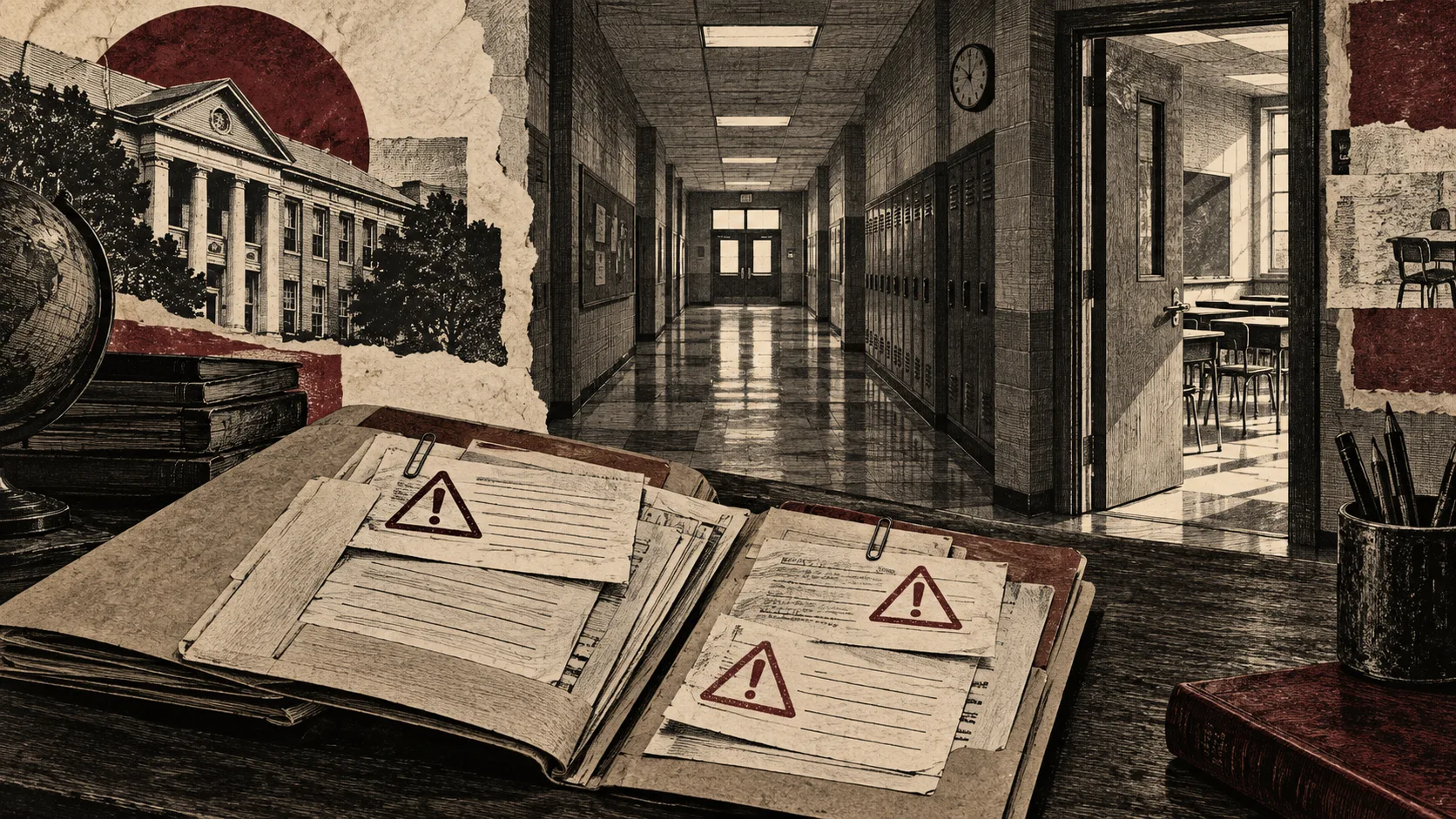
Federal charges and a $14,308 civil settlement put school reporting safeguards under scrutiny. Parents deserve proof that warnings reach the people required to act.
Parents should be able to send a child to school without becoming investigators of the adults running it. When a reporting system depends on everyone quietly doing the right thing, the people most in need of protection are left trusting a chain they cannot inspect.
The Forney Independent School District case deserves attention because it puts that chain under scrutiny. On August 18, federal prosecutors announced a $14,308 civil settlement over allegedly inaccurate compliance certifications connected to federal special education funding. The district also agreed to improved compliance measures. Prosecutors said cooperation helped determine the amount.
Separately, former principal Wendy Bailey and teacher Michael Roell face wire fraud and conspiracy charges. Prosecutors allege a scheme involving concealment of his previous arrest, a name change to evade background checks, and false hiring paperwork. Those are allegations; both defendants are presumed innocent. The civil settlement included no determination of liability.
Forney ISD’s response matters. In an August 25 statement reported by K-12 Dive, the district said it cooperated with investigators and settled to save taxpayer money and preserve classroom funding, without admitting liability. It also said Bailey had not reported Roell’s history to district leadership or the relevant state education authorities, and condemned the alleged conduct.
That distinction should sharpen the questions parents ask. If information can stop at one administrator, what independent safeguard catches the omission? Who verifies that required reports were actually submitted? What happens when a staff member believes a supervisor has ignored a warning?
A district can have sincere employees and impressive safety policies while still needing stronger checks on the people entrusted to enforce them. Parents should expect a reporting system that leaves a record, identifies who is responsible for acting, and provides a route around a supervisor when necessary.
The federal initiative behind this case, Project Safe Schools, is asking North Texas districts to examine past reporting failures and disclose them. That creates an opportunity for school boards to explain their procedures publicly before another case forces the conversation.
There is a sensible conservative principle here: public institutions earn trust by accepting scrutiny. Taxpayer funding should come with enforceable obligations, and a school’s reputation should never carry more weight than the safety of its students.
Cooperation deserves consideration, but parents are entitled to ask what changed after the settlement. Training attendance alone cannot answer that question. Boards should be able to explain how they verify reporting, check employment histories, and review whether safeguards are working while protecting students’ privacy.
The criminal cases belong in court. The obligation to improve oversight belongs to school leaders now. Parents should not have to wait for a verdict to ask whether the next warning will reach someone who can act.
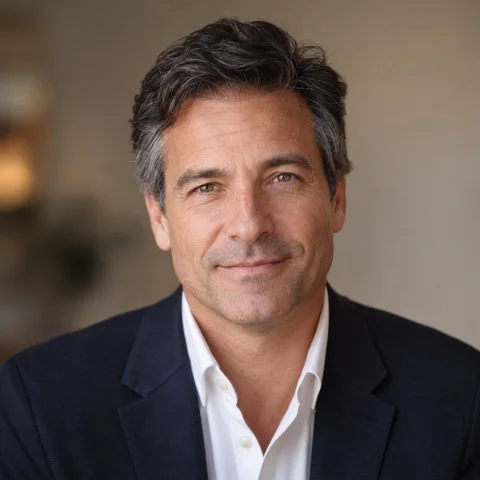
Marcus Bennett is a conservative commentator focused on crime, education, economic opportunity, urban policy, and American culture. Raised in a working-class community outside Atlanta, Bennett developed his politics around the belief that public policy should be judged by results rather than intentions. His columns frequently examine failing institutions, public safety, family stability, educational reform, and the political assumptions surrounding Black Americans. Bennett brings a skeptical, data-driven approach to political arguments and has little patience for ideological explanations that fail to match conditions on the ground.
Discussion
Loading discussion…