
Commentary
School Sports Need Rules, Not Decisions Made Up in a Crisis
Raines volleyball players have been reinstated. The lasting lesson should be clear expectations and a fair review process.
Essays, arguments and commentary, clearly labeled and presented on their own terms. These pieces make a case, challenge prevailing assumptions and invite readers to judge the argument for themselves.
Raines volleyball players have been reinstated. The lasting lesson should be clear expectations and a fair review process.

The canceled Reggio Emilia trip raises a basic question: should professional learning depend on a declaration about Israel?
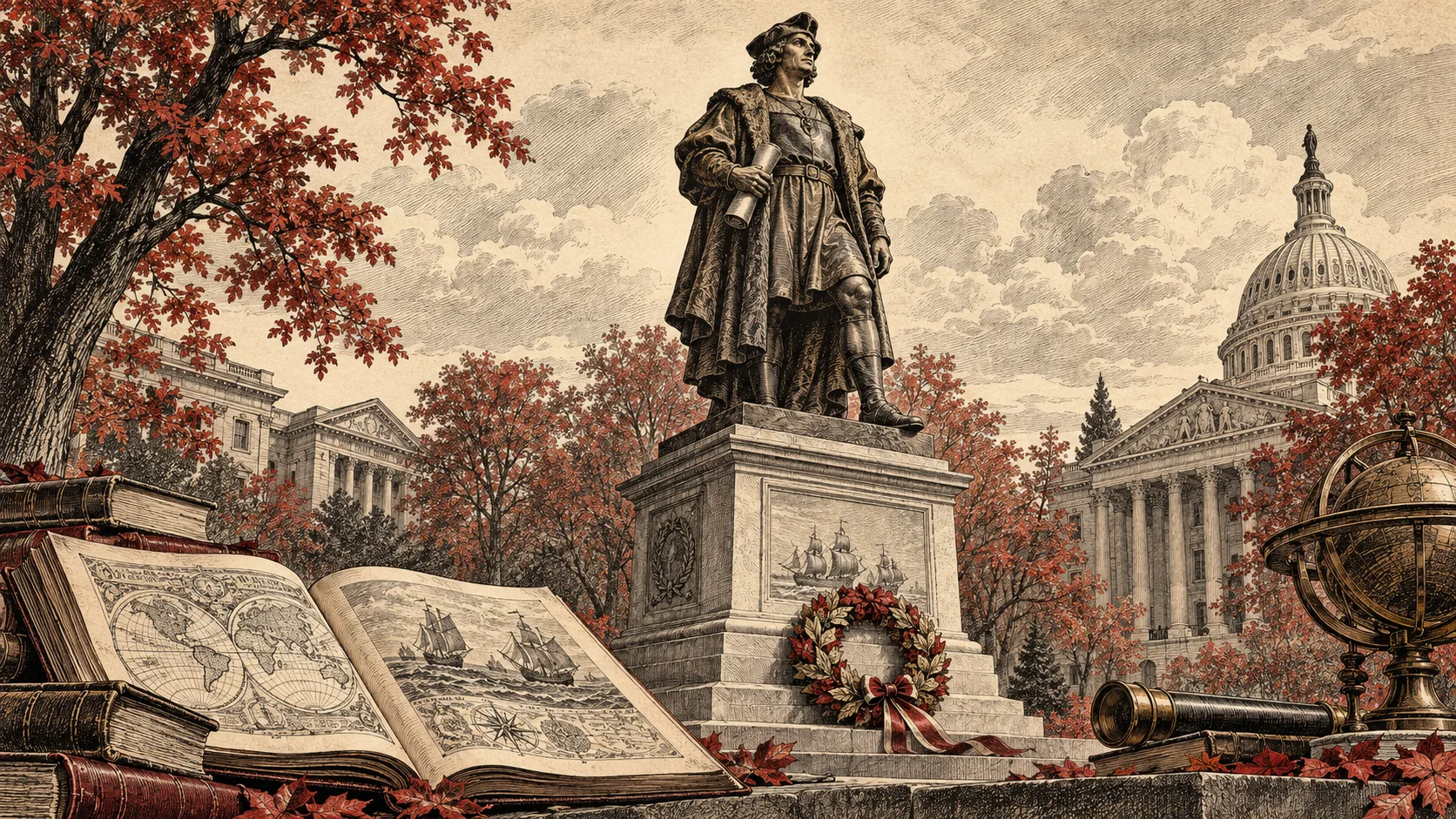
The renewed monument dispute calls for fuller history and genuine public debate—not an assumption that removal is progress.

The facility named in the allegation denied treating him. Conservative media should demand evidence from its own side, too.

New York’s virtual-tutoring exemption shows why classroom technology rules should serve learning rather than slogans.

New York is joining the federal scholarship tax-credit program. More options for families deserve a fair test—and real accountability.
The Fort Hood execution-broadcast plan raises a conservative question about restraint, accountability and the spectacle of state power.
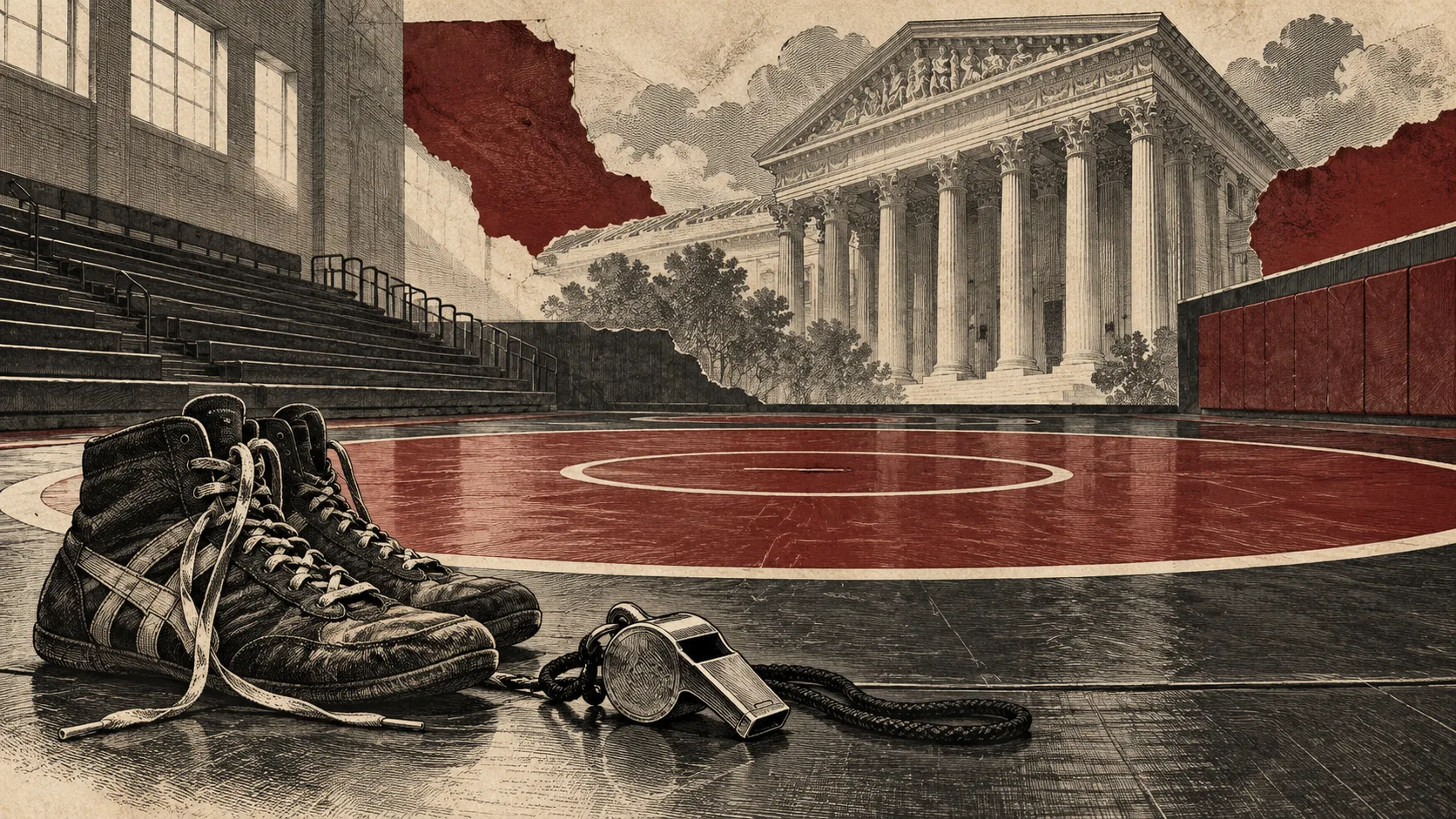
A Washington wrestling dispute reaches the Supreme Court. The case for sex-based competition deserves an answer, not a slogan.

PEN’s new school-library figures demand scrutiny. So do the definitions, age distinctions and decisions behind them.

The Palantir–NHS dispute calls for enforceable safeguards and measurable results, not blind trust or unsupported accusations.
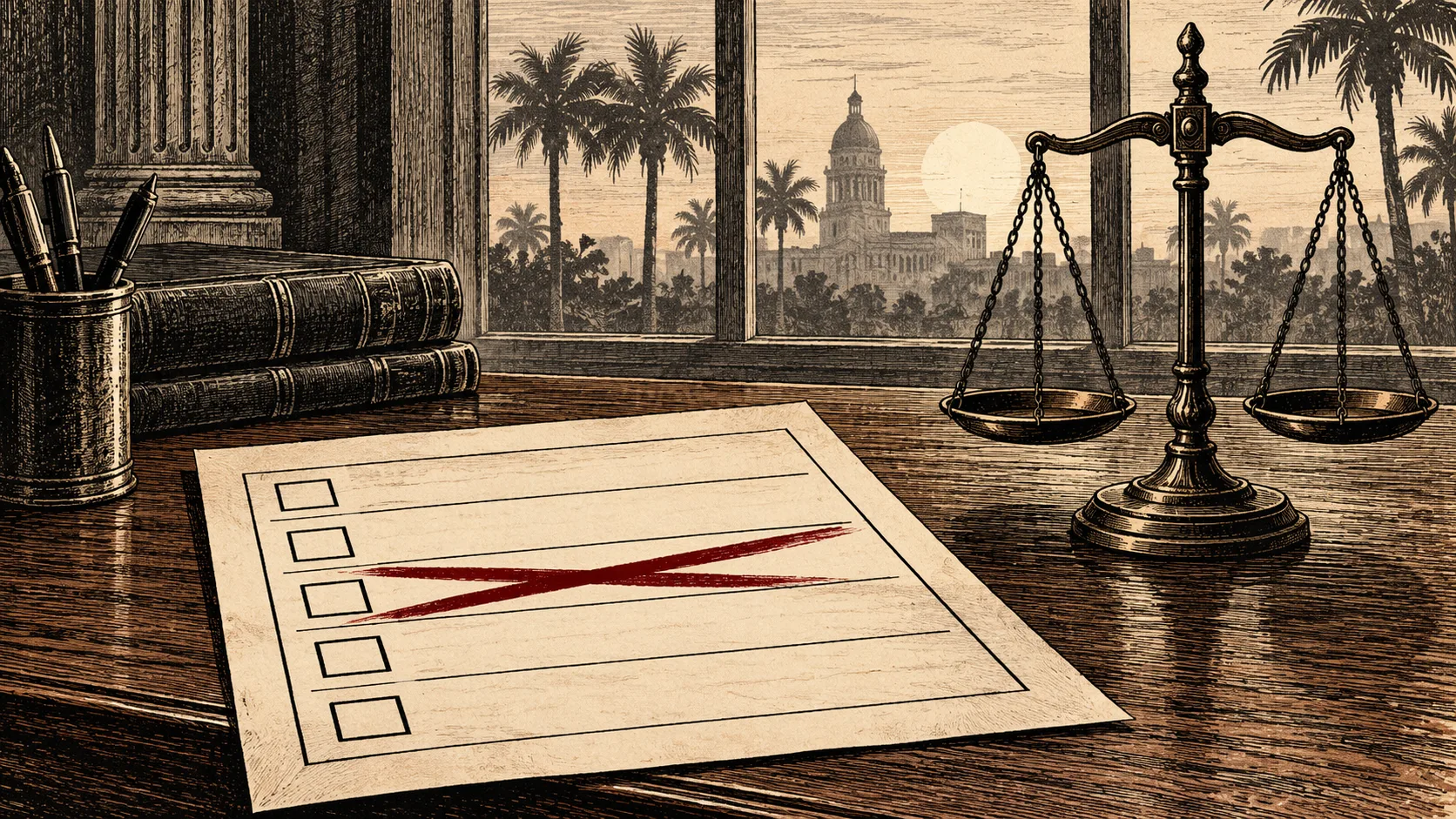
Palm Beach Republicans removed Mike Caruso from their voter guide. Due process and responsible political judgment can coexist.
The DOJ’s new review raises serious questions about federal power. Accountability requires the records, not a partisan shortcut.
The Supreme Court’s coming rifle-ban case should test the government’s reasoning, not settle for the rhetoric surrounding firearms.

The Aslan casting debate raises a fair question about fidelity to C. S. Lewis—but a casting announcement is not a review of the finished film.

Hegseth’s new religious-affairs office deserves a fair chance—and a clear standard: support the troops’ faith without imposing one.
UT-Austin won a protest-rights case. The broader lesson is consistent rules, fair process and room for both dissent and learning.

The FTC’s new inquiry should demand evidence from AI companies—and clear limits on government power.
New Republican spending in once-safe House races is a reminder that voter loyalty is earned through results, not inherited from the last election.
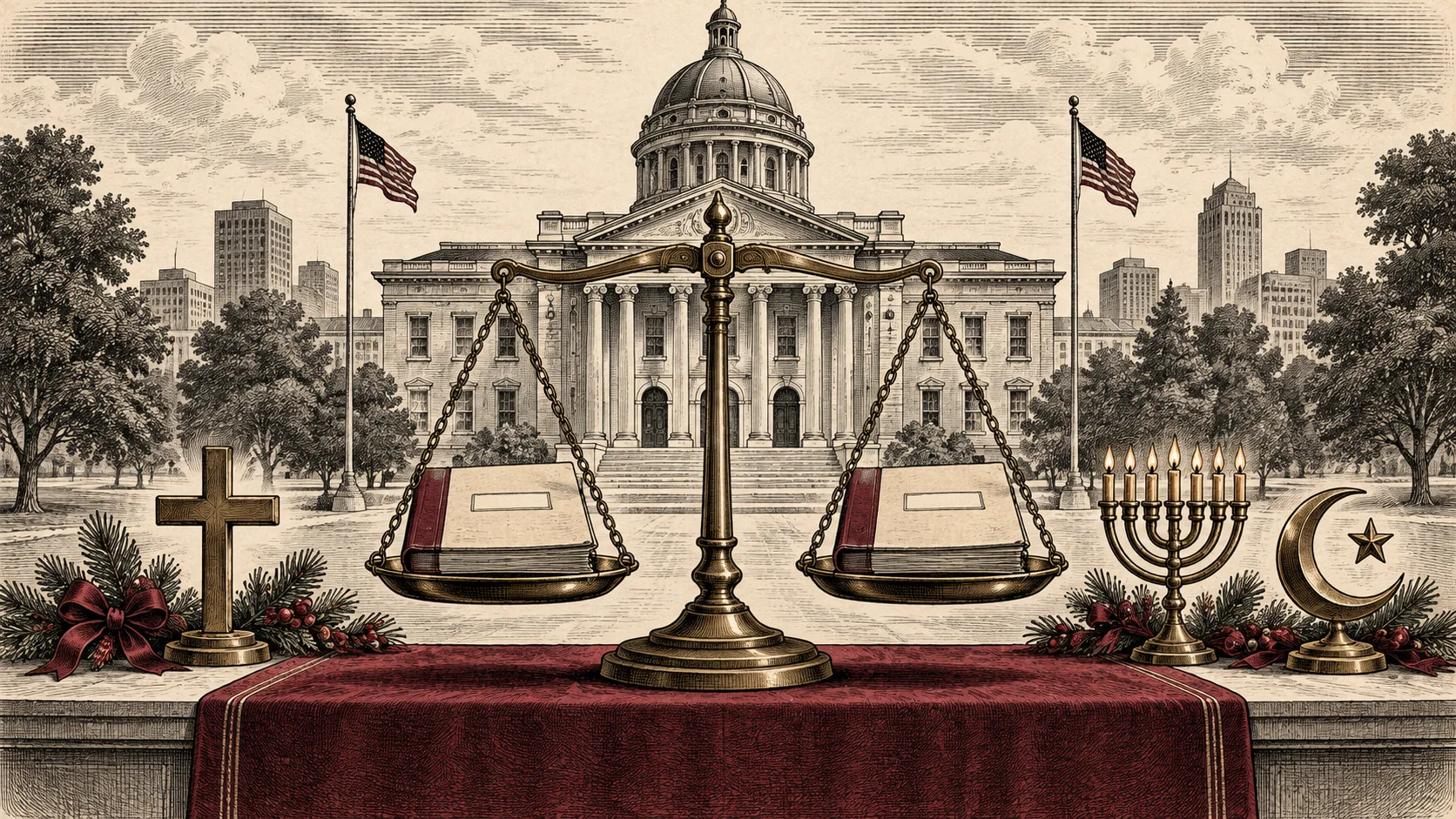
A lawsuit challenges the city’s religious holiday spending. Transparent rules would tell residents more than another promise of inclusion.

Oklahoma’s new charter-school ruling makes the case for parental choice—and for applying religious liberty consistently.
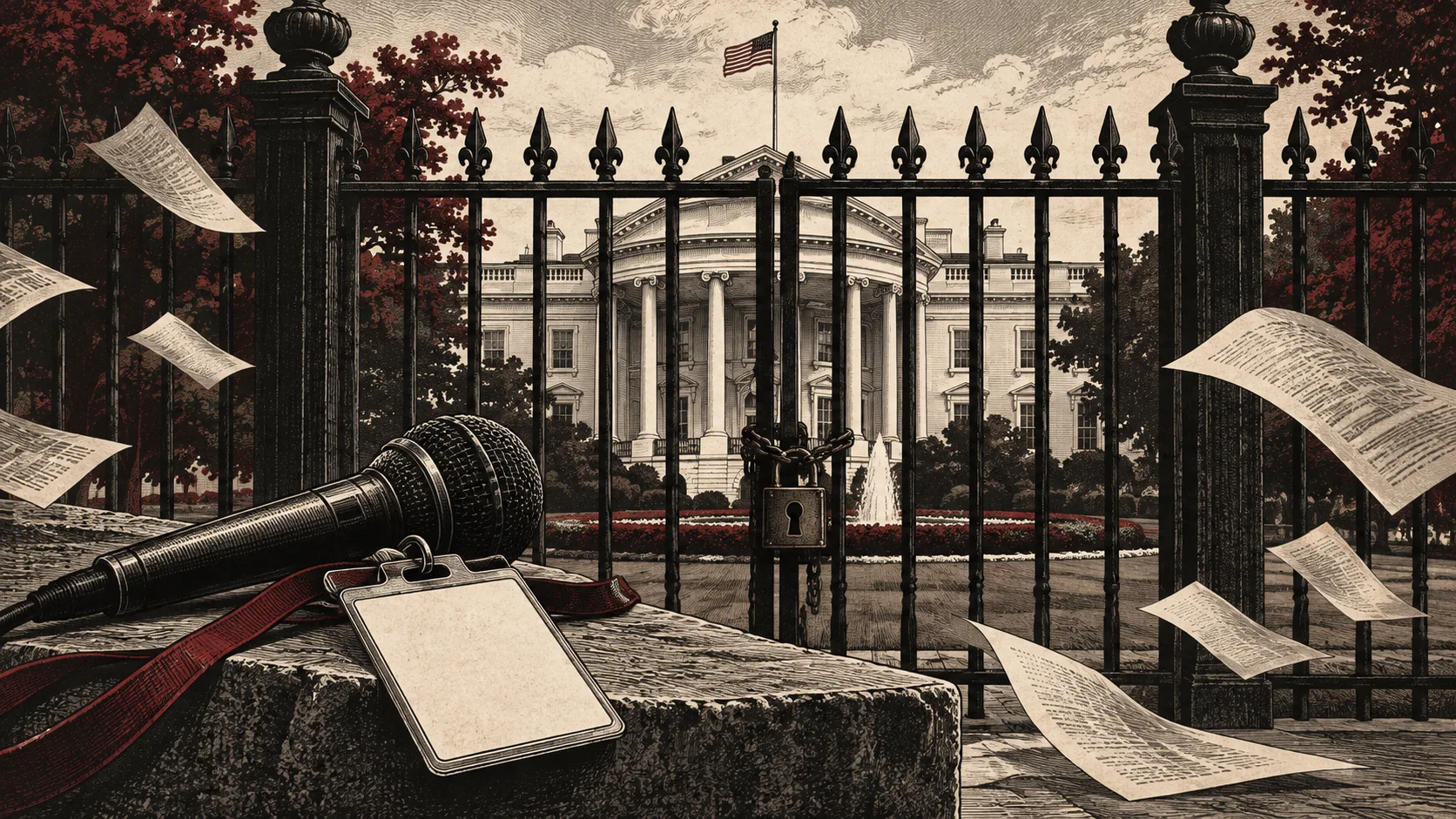
The White House access fight tests whether conservatives want limits on government power even when the excluded outlets are ones they distrust.

Oakland’s targeted support programs face a civil-rights complaint. Schools should preserve useful help while making access fair and transparent.

New South Wales is setting classroom screen limits. American schools should consider the principle without pretending every device is a problem.

A coming Senate hearing should demand clear limits on access, retention and misuse—not just assurances that surveillance helps solve crimes.
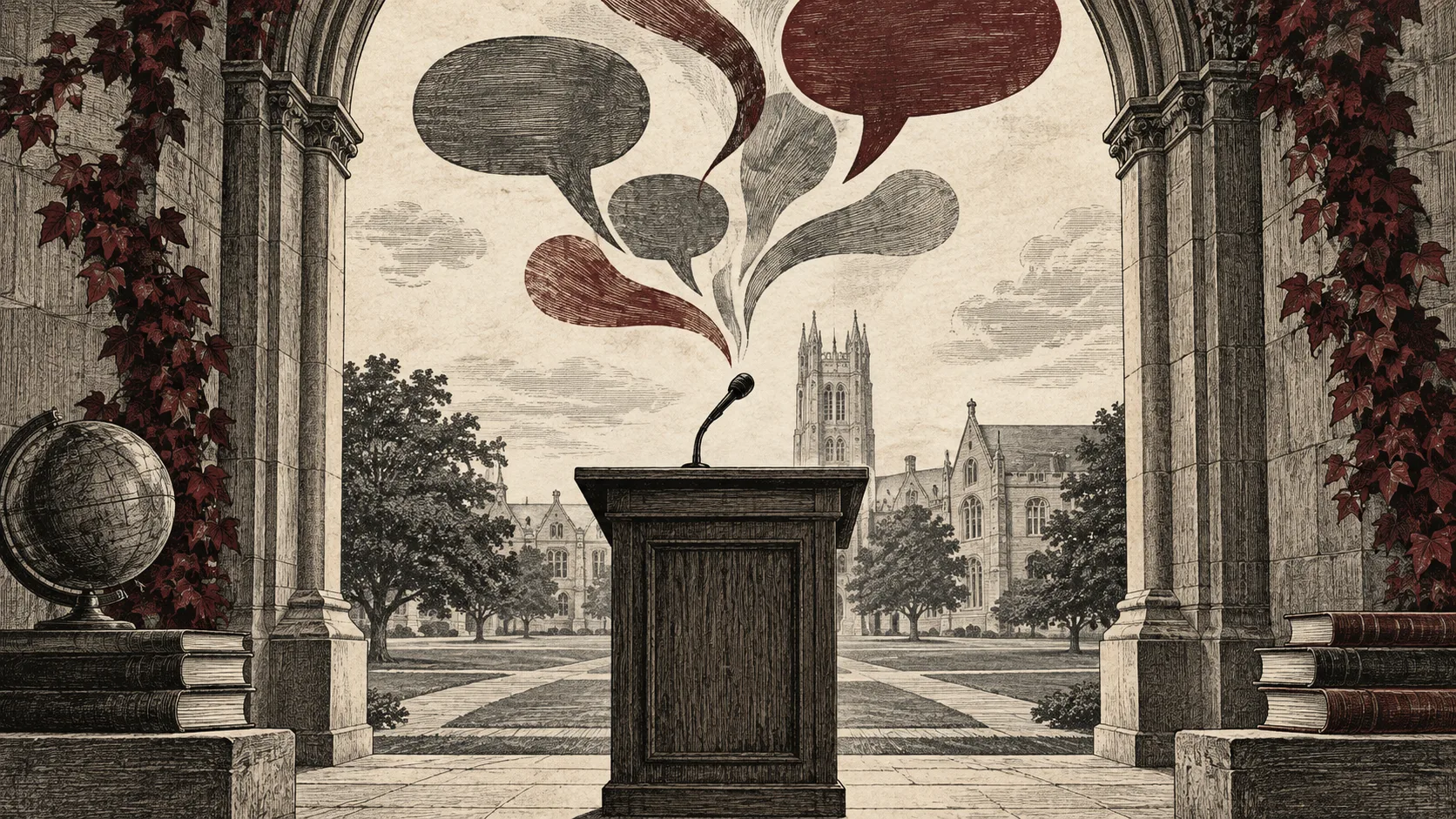
New campus rankings show improvement, but too many universities still fall short of their promise to encourage independent thought.

A prosecutor’s request for an investigation raises a basic question: can taxpayers follow the decisions made with their money?

The dispute over Macklemore’s removal has drawn performers and venues into a political fight. The fans deserve consideration, too.
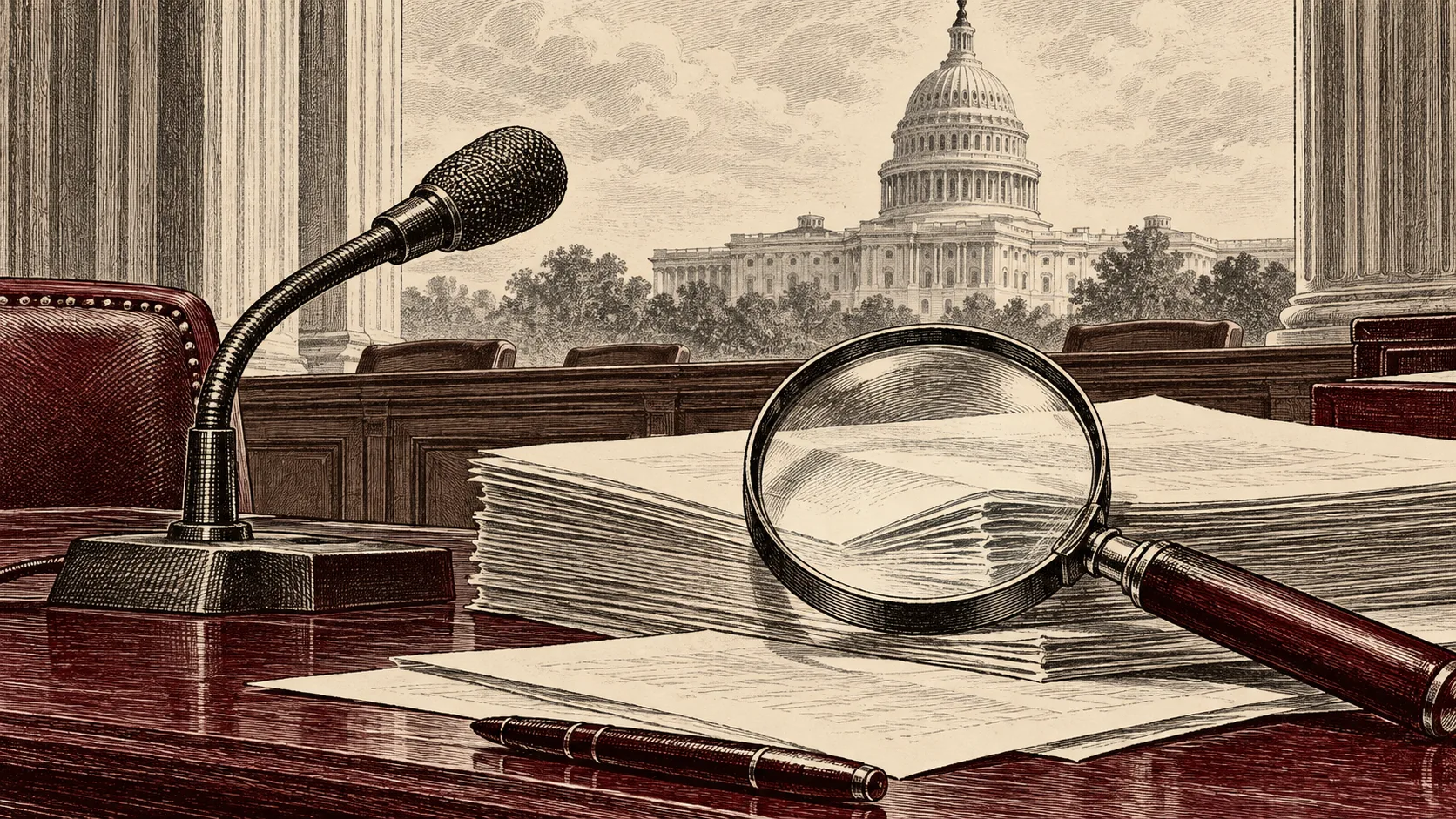
Congress should follow the financial evidence without treating unpopular opinions as proof of foreign control.

The athletes have a criticism. The actress has a choice. The company has a product to sell while everyone argues.

Microsoft's new school privacy agreement is a welcome step. Parents still deserve to know which tools it covers—and why their children need them.

A Fort Worth family's allegations raise a basic question: who protects children when the adults entrusted with them fail to intervene?
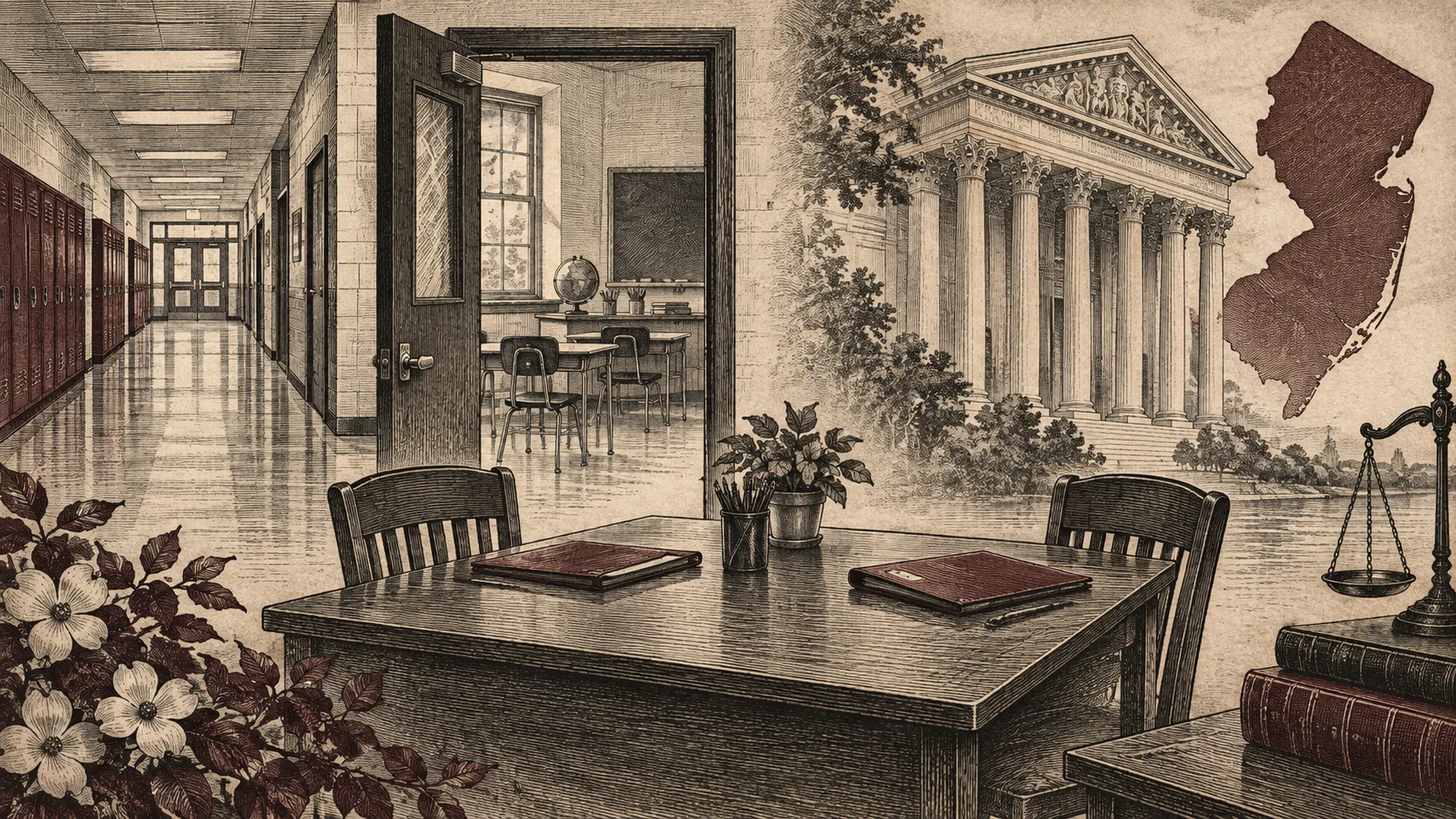
A New Jersey lawsuit challenges who decides what parents learn about their children. Student safety deserves serious protection—and parental involvement deserves more than an afterthought.
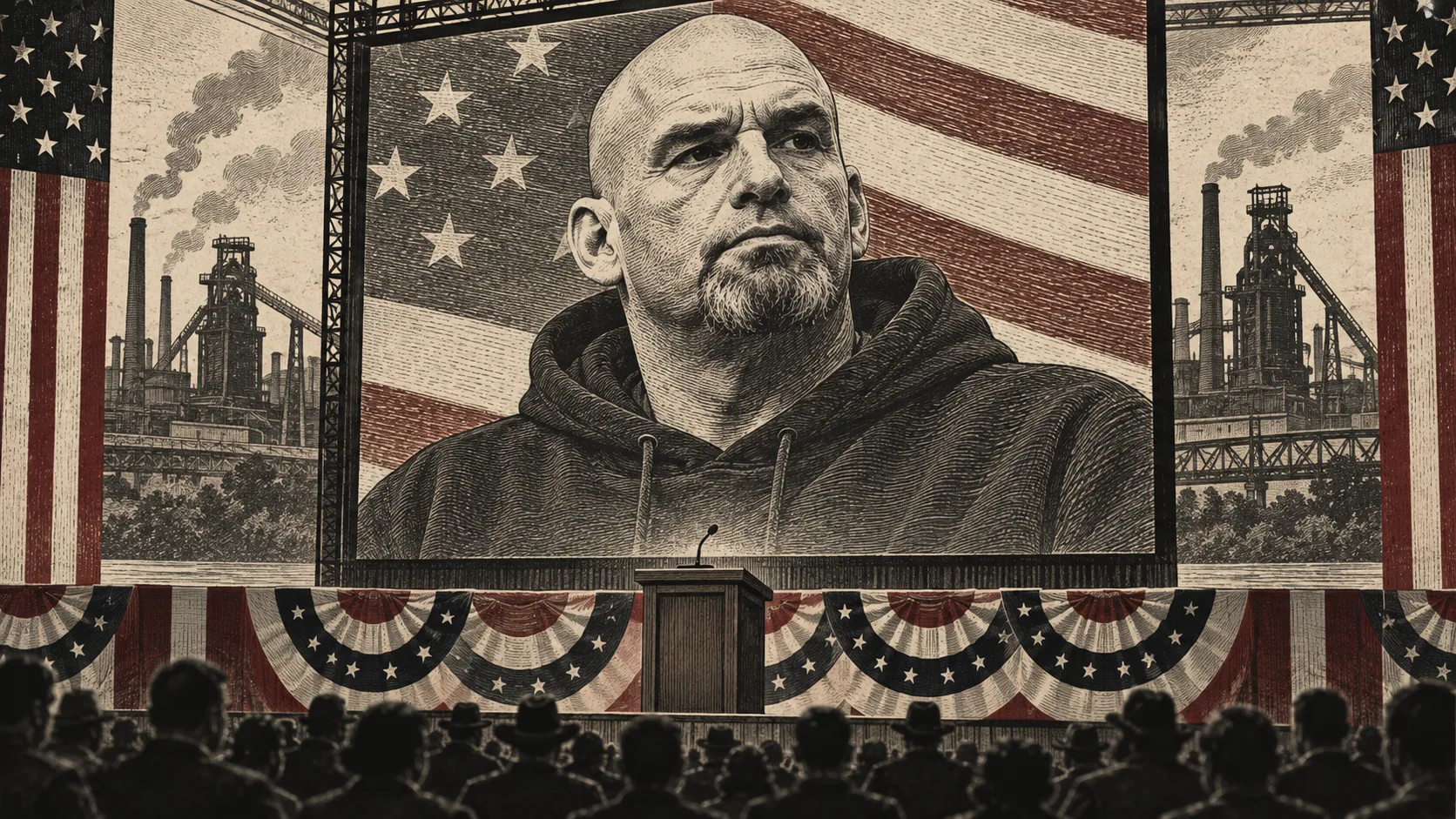
His convention video was a political choice, not a party switch. The backlash raises a harder question about how much independence either party really tolerates.
Federal investigators allege racial discrimination. Berkeley denies it. The question deserves evidence, not a contest over which institution commands more prestige.
A federal study found women more likely to receive probation after accounting for available case characteristics. Equal treatment requires taking that finding seriously without pretending it explains every case.
Seven Lower Merion families are challenging the loss of a school-device opt-out. New safeguards deserve credit, but parents still deserve a meaningful say.
The Dallas interruption gave the vice president a ready-made argument about patriotism. A protest that attracts attention can still fail to make its case.

Duffy’s crackdown puts driving schools and license testers under scrutiny. Families sharing the highway deserve standards that mean something.

New York has released roughly 170,000 pages on the aftermath of 9/11. Honoring responders should include giving them access to the government’s records.

Federal charges and a $14,308 civil settlement put school reporting safeguards under scrutiny. Parents deserve proof that warnings reach the people required to act.

The Texas Democrat presents himself as a Christian alternative to the angry Left. But when faith is repeatedly rewritten to validate progressive politics, voters are entitled to ask which one is really in charge.

Washington has not restored its former team name. It has done something more revealing: put the supposedly forbidden identity back on the shelf with a price tag attached.
Employment law may protect an adult from discrimination. It does not follow that a public school can compel children to affirm beliefs about sex and identity that they do not share.
Sixty-three years after the March on Washington, the Left and Right still compete to inherit King’s moral authority. Neither side should be allowed to keep only the sentences it finds convenient.
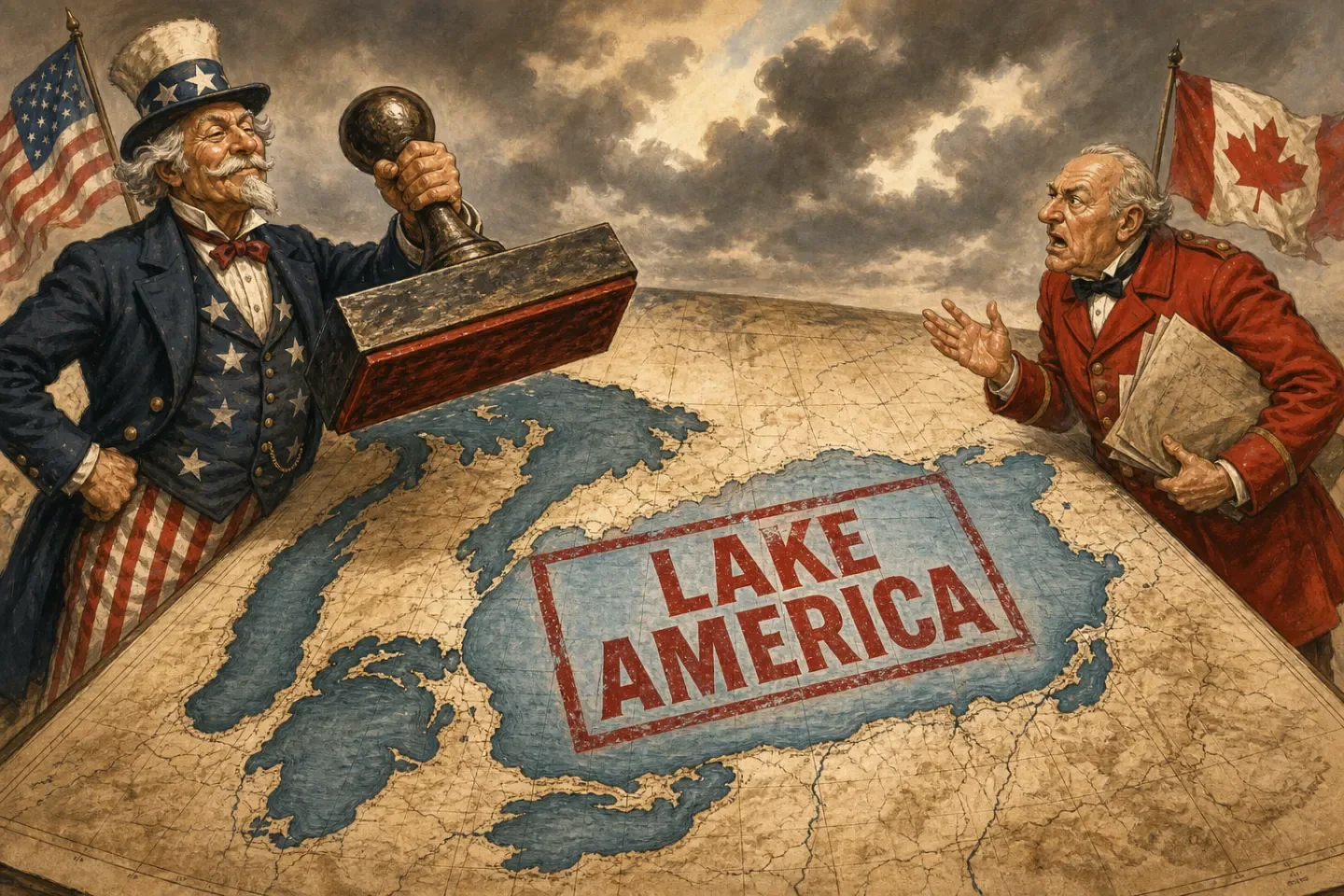
The “Lake America” order is classic Trump: part provocation, part branding exercise and part test of whether his opponents can resist turning a symbolic gesture into a national emergency. They failed almost immediately.

Primary-season loyalty was displayed in bold type. With the general election approaching, some Republican campaigns appear considerably less eager to keep Donald Trump’s name on the page.
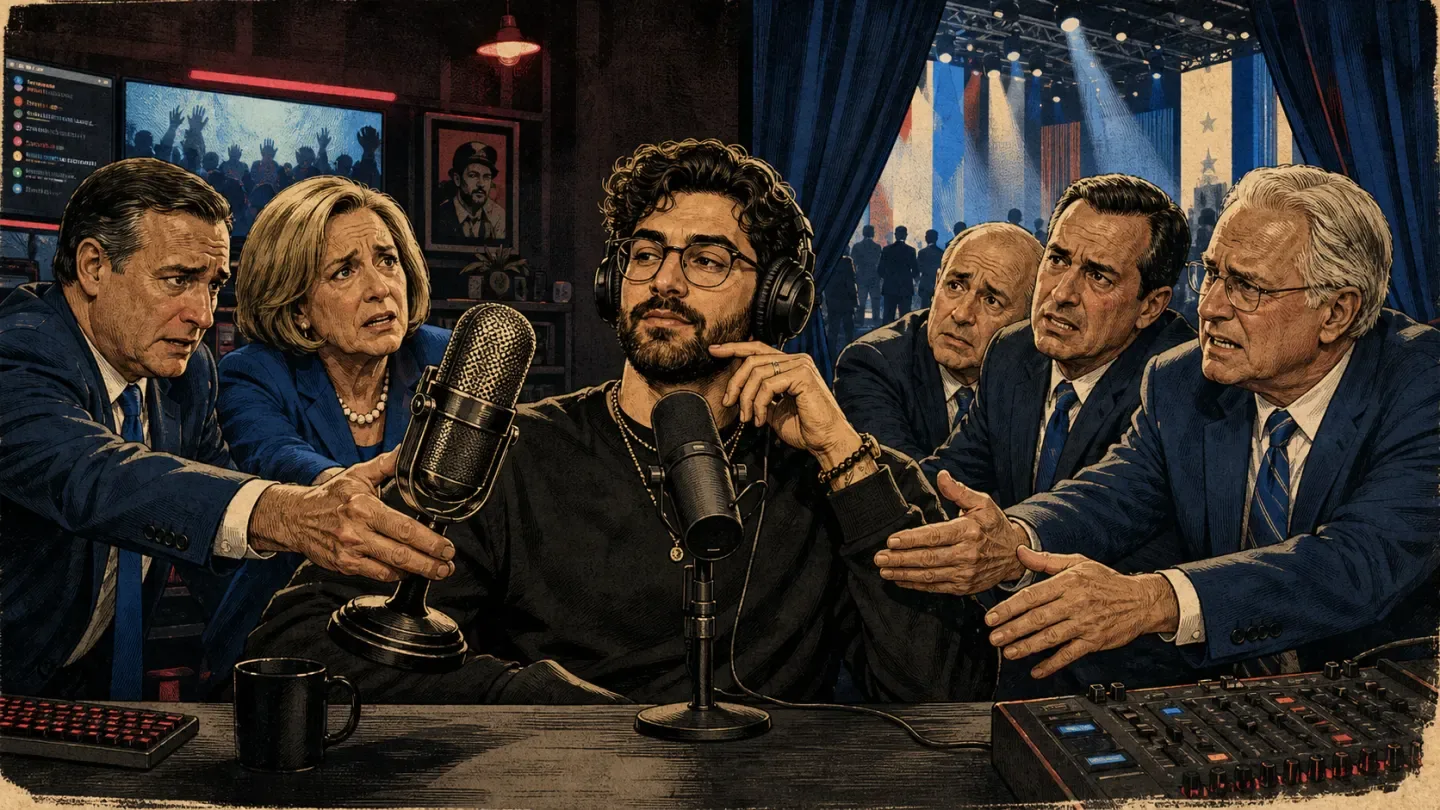
The party spent years searching for an online celebrity who could deliver disaffected young voters. Now its leaders are discovering that renting a radical’s audience means inheriting his politics.
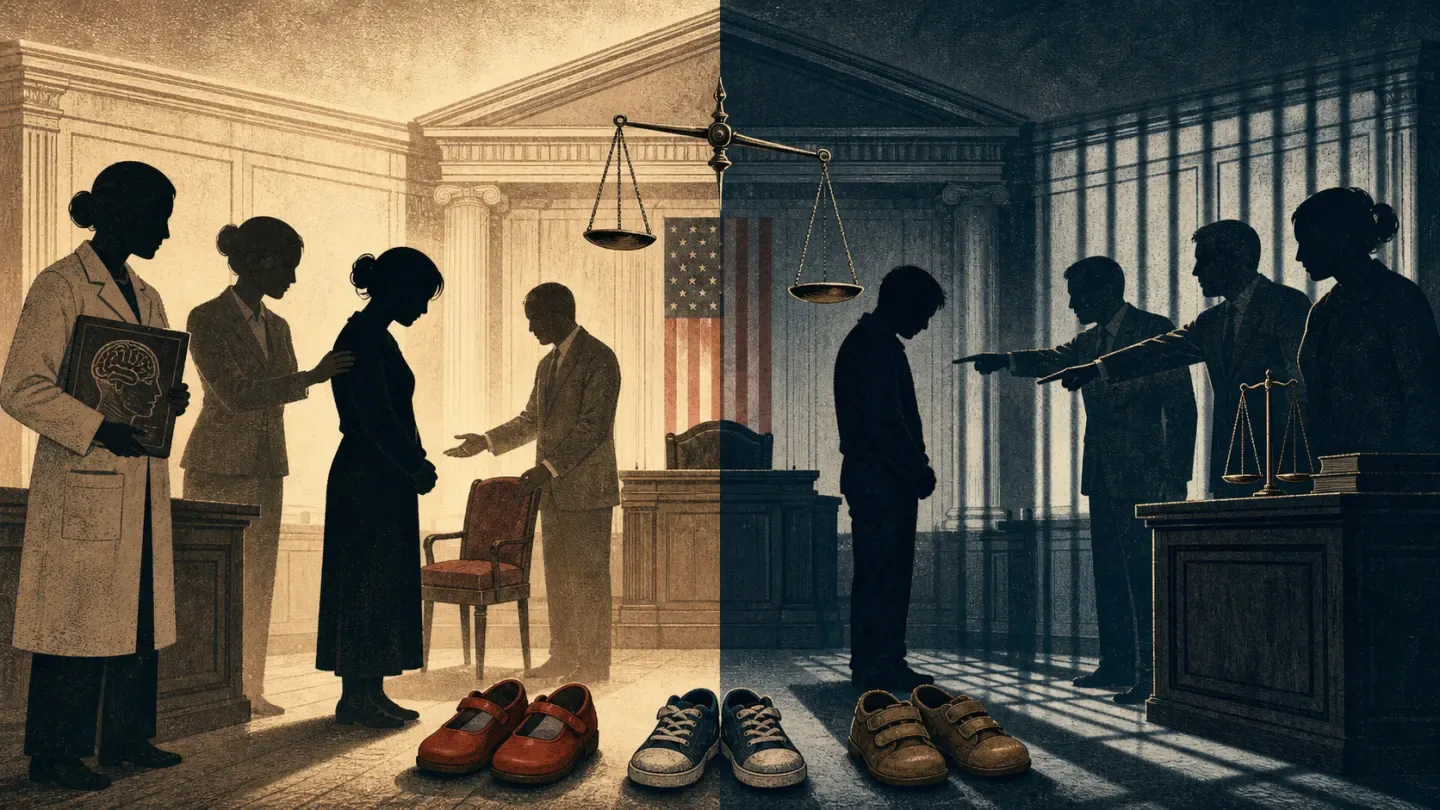
Mental illness should matter whenever it destroys a parent’s grasp on reality. Too often, however, compassion is treated as a maternal privilege while troubled men are granted only condemnation.
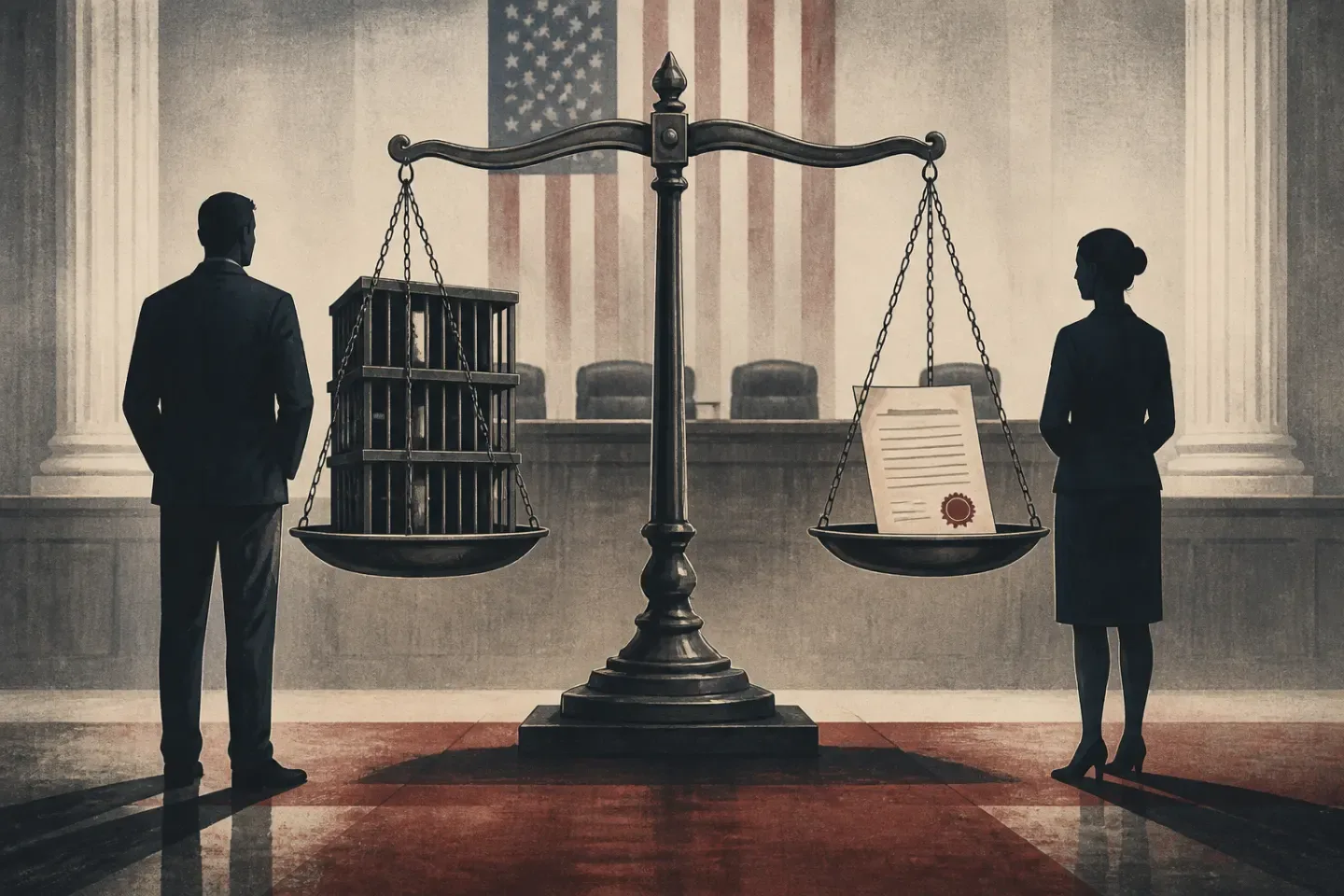
Federal sentencing data shows women receive shorter prison terms and probation more often than men. Equal justice cannot survive a double standard everyone is afraid to name.

Male victims are real, numerous and often invisible. A support system built around one image of domestic abuse leaves too many men with nowhere credible to turn.
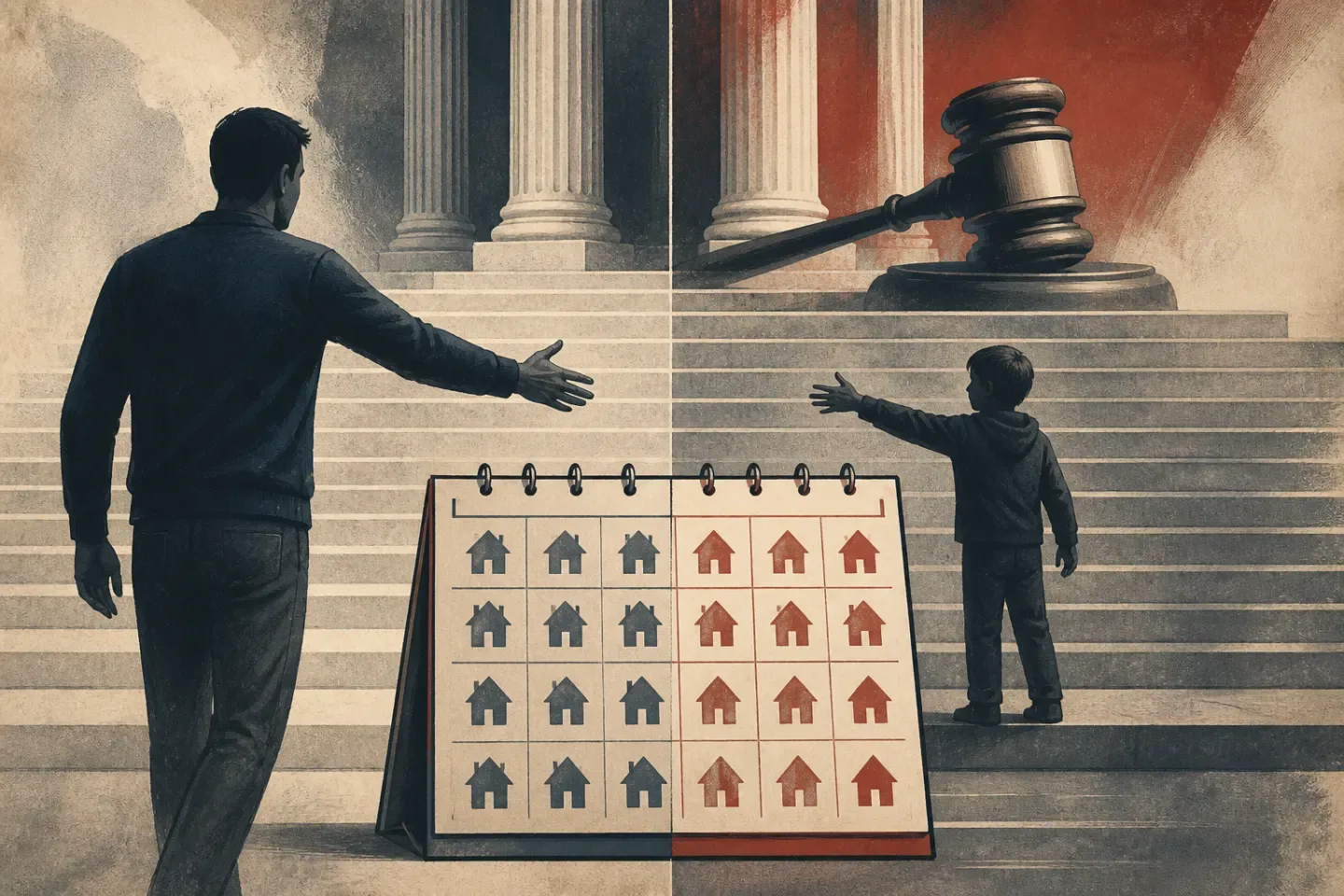
Shared parenting should be the starting point when two fit parents separate. Children are not prizes, and fathers should not enter family court as visitors in their own families.

The socialist streamer did not offer an argument or challenge an idea. He transformed the murder of a political opponent into entertainment for a cheering crowd.
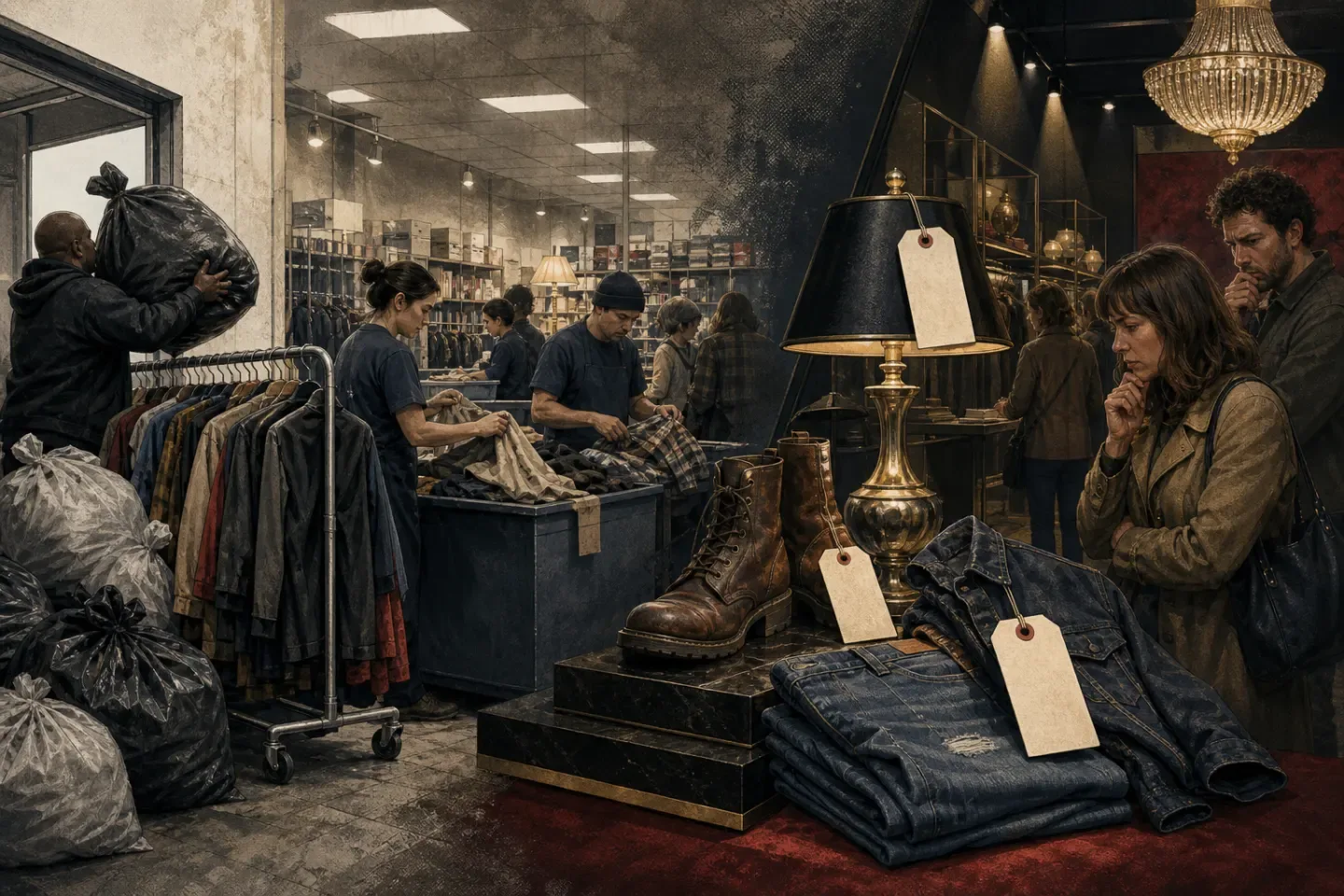
Shoppers are finding used clothing, battered furniture and donated household goods priced like new merchandise. The thrift-store bargain is beginning to feel broken.
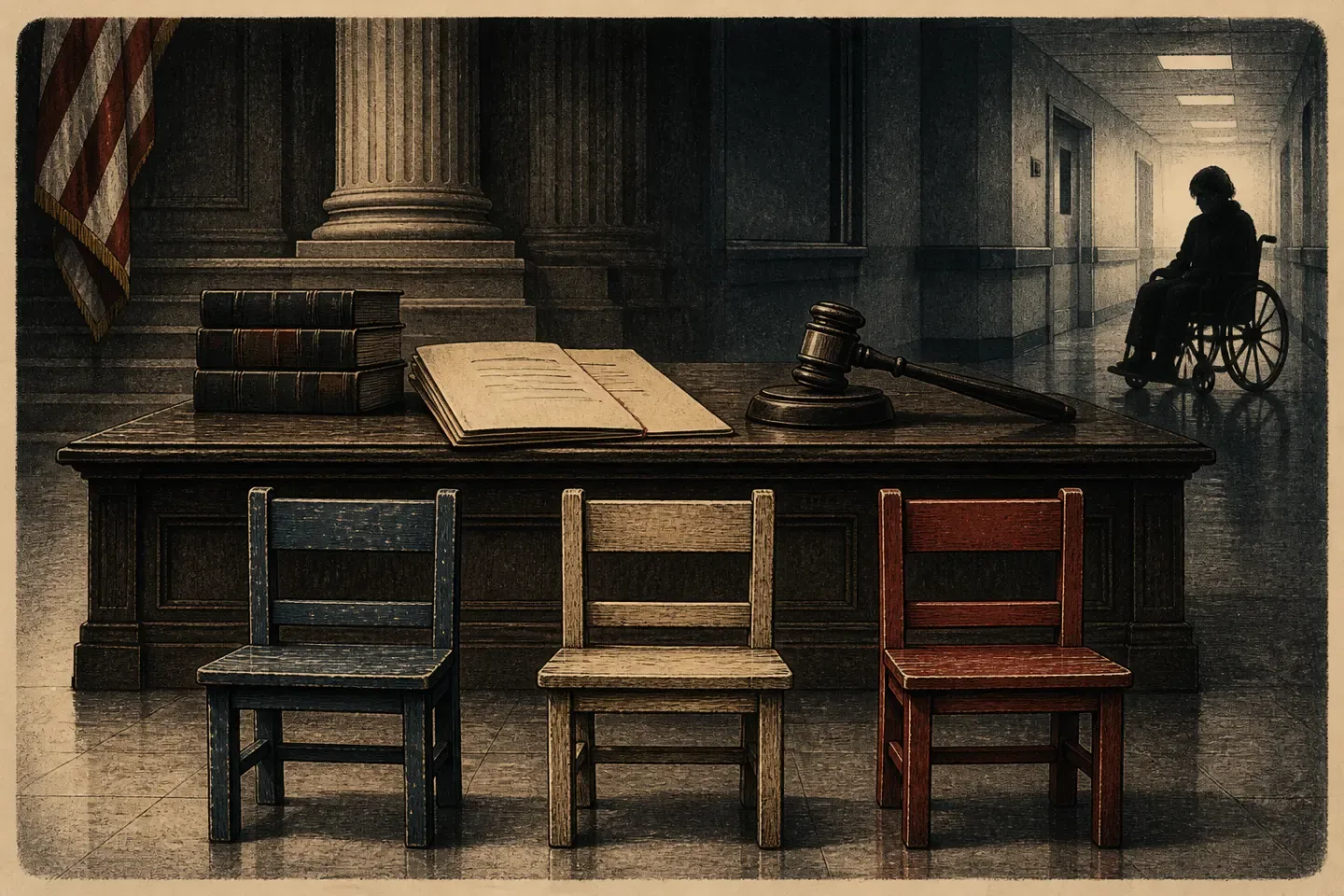
Medical negligence can be real and postpartum illness can be devastating. Neither should push Cora, Dawson and Callan out of the story while their mother seeks damages.
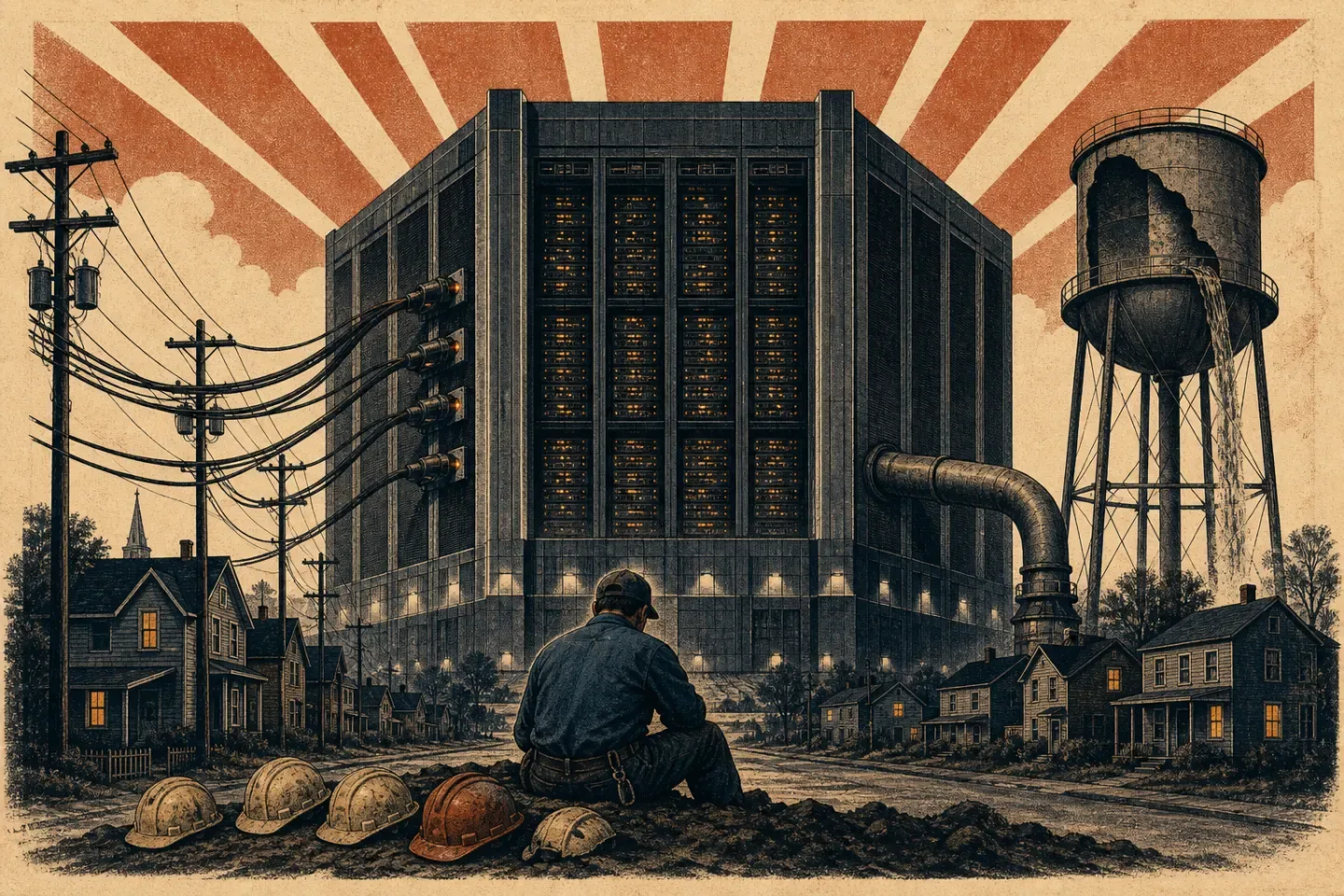
The AI boom has arrived with a familiar promise: subsidize the infrastructure now and prosperity will follow. Communities should inspect the bill before signing.
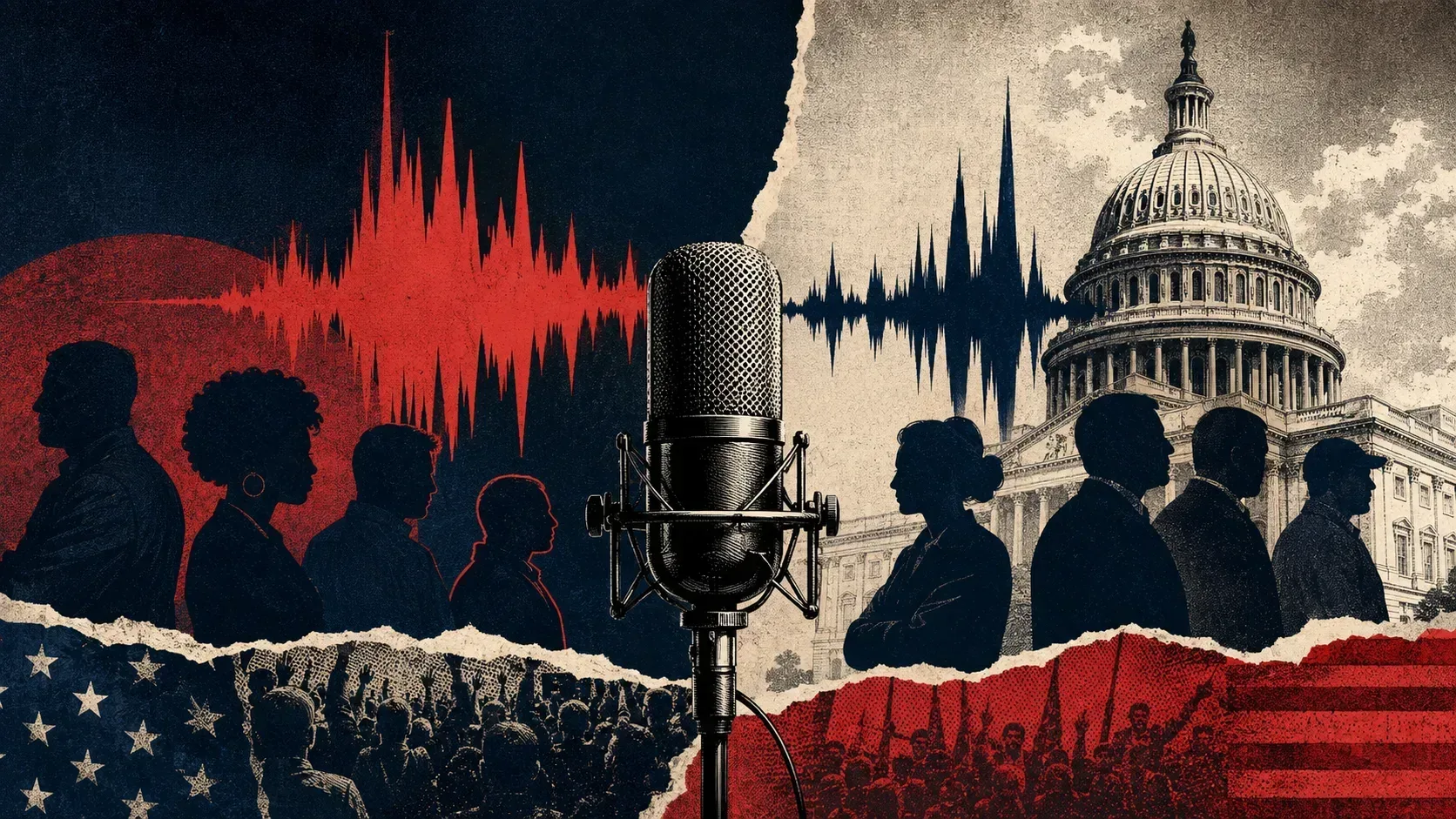
Rula Jebreal’s attack on Hakeem Jeffries exposed a political culture that treats bigotry as intolerable in theory and negotiable when the target becomes inconvenient.

London’s most recognizable cathedral has made Fabric its exclusive contemporary-music partner through 2030. The arrangement raises a question institutions keep avoiding: what is a sacred place for?

Darializa Avila Chevalier is not disguising her politics behind focus-group language. The revealing question is why the Democratic establishment still treats socialism as a branding problem instead of an ideological choice.

The New Jersey crash produced a revealing response: instead of asking why a driver fled federal agents or whether sanctuary policies make cooperation harder, a Democratic congresswoman demanded that the enforcement agency disappear.

A once-admired school district adopted an ideological theory of governance while enrollment fell, finances cracked, and leaders treated a dangerous encampment beside a K–8 school as a lesson in compassion rather than a failure of basic governance.
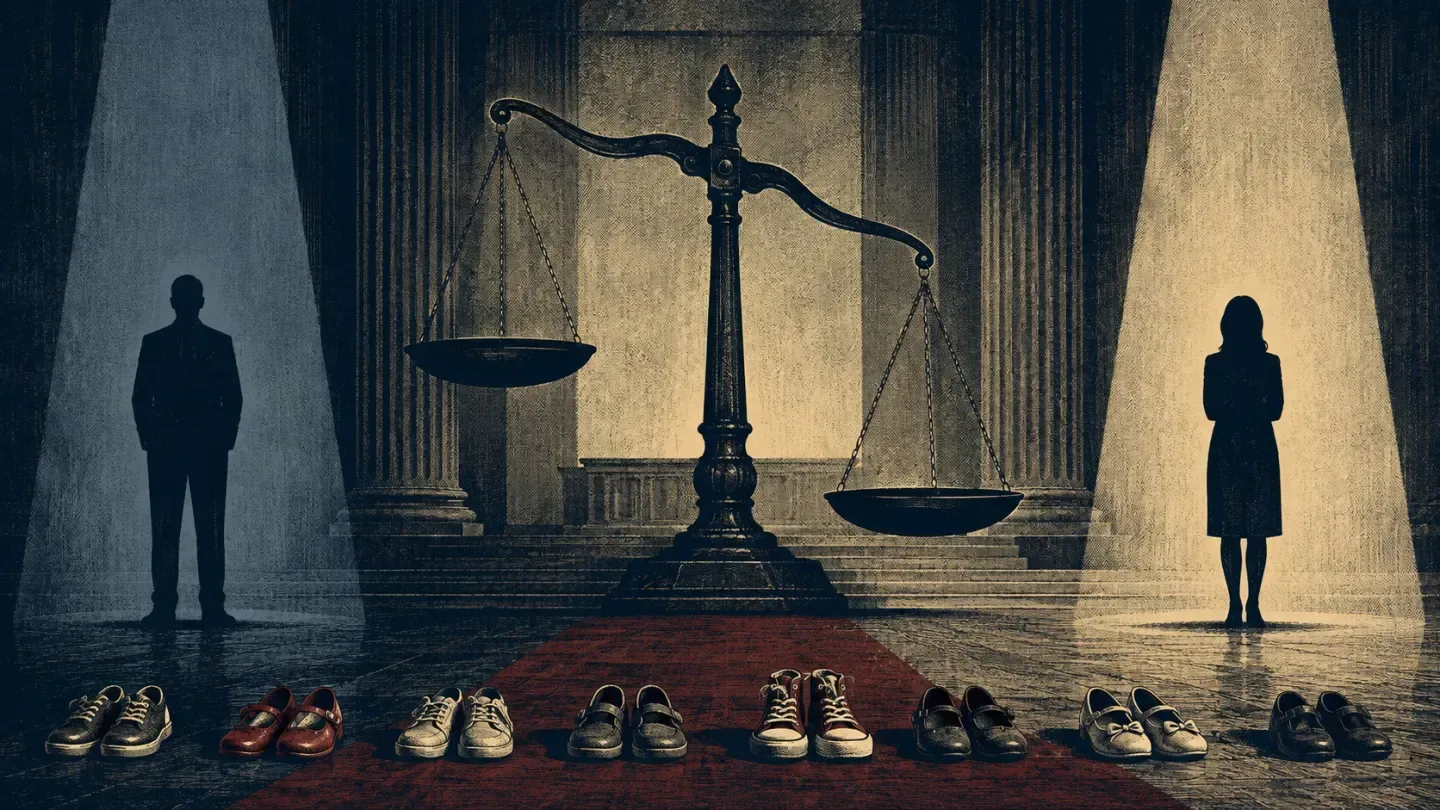
Timothy Ray Jones Jr. and Lindsay Clancy both presented serious mental-illness defenses after killing their children. Only one case inspired a national campaign to see the killer primarily as another victim.

Kansas City’s gender-policy lawsuit asks whether public schools may manage a child’s identity at school while withholding the underlying records and plan from parents.
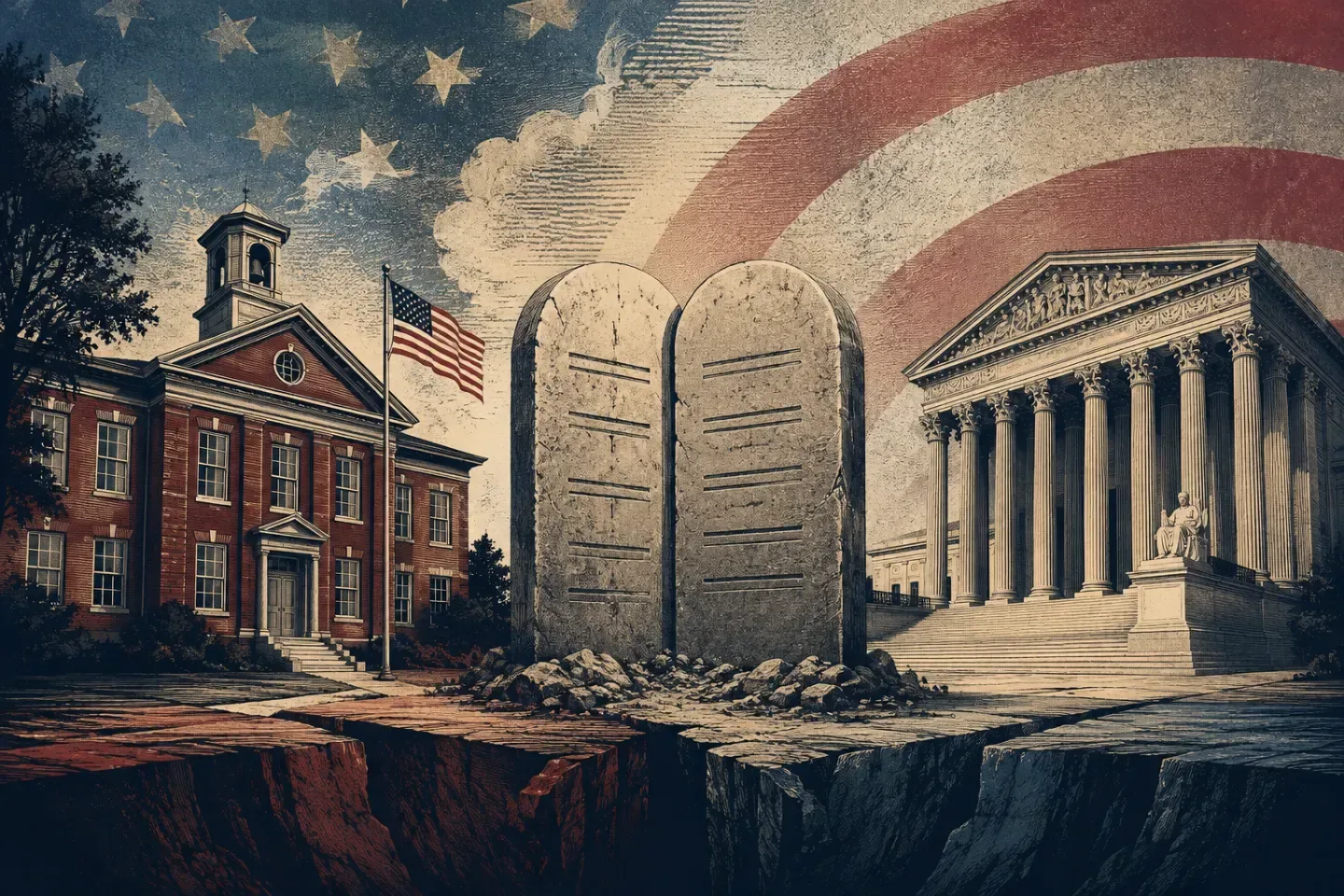
Texas has placed history, religion and parental authority on a collision course—and the justices may soon have to draw a new constitutional line.
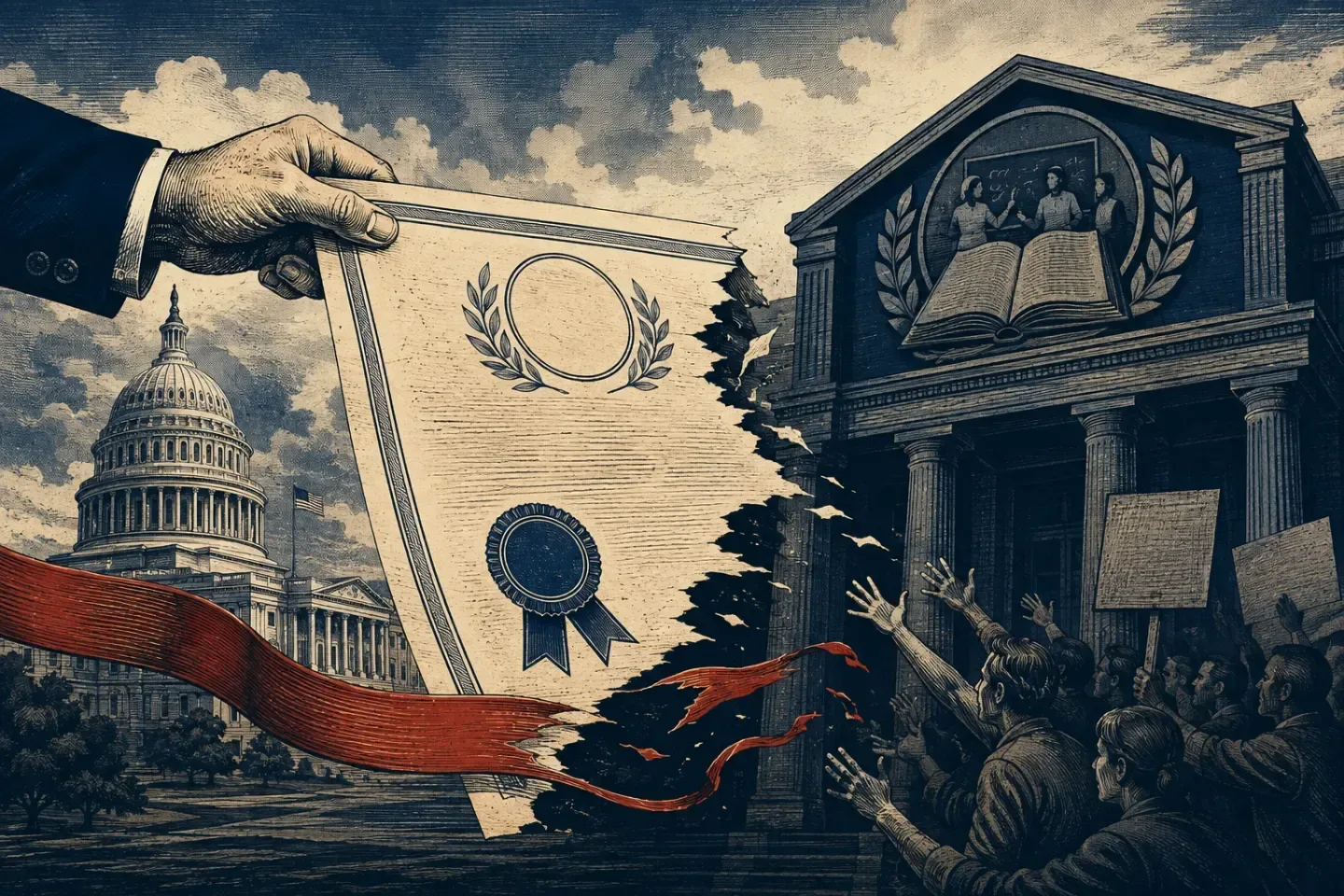
The campaign to repeal the National Education Association’s congressional charter asks a question the union’s defenders would rather avoid: what public purpose does this recognition still serve?
The latest injunction settles what the government may do today, but it will not end the argument over citizenship, executive power and the meaning of the Fourteenth Amendment.
The American Federation of Teachers is mobilizing members against a retailer over immigration politics—another reminder that the modern teachers union is a political machine with classrooms attached.
A Senate candidate’s record is fair game. Treating ordinary scrutiny as prejudice is an attempt to make biography off-limits.

The Cobb County controversy is bigger than one speech. It is about whether parents are still allowed to ask what schools place in front of their children.

The socialist streamer’s defenders blame misleading clips and conservative outrage. But his radicalism is not hidden in ten seconds of video. It is the foundation of his politics.

Lindsay Clancy’s supporters say they are raising awareness about postpartum mental health. But their pink shirts, sympathetic slogans, and public displays have placed the accused killer—not her children—at the emotional center of the story.

Social-media companies have earned public distrust. But handing governments a universal age-verification machine could turn a child-safety campaign into permanent identity surveillance.

Taxpayers fund America’s national museums. They are entitled to ask why so much institutional history sounds like an indictment written by people embarrassed by the country that pays them.
Colleges spent years regulating speech, narrowing acceptable opinion, and demanding ideological statements. Now a federal request for public transparency has them reaching for the language of independence.

Executives learned that ideological branding creates political risk. Instead of holding an honest debate, many companies are replacing loaded terminology while preserving policies behind closed doors.

A New York union leader says religious and private education can divide the country. The real threat, apparently, is a family escaping the system the unions control.

The word became political poison, so progressive institutions buried the branding, softened the slogans, and kept selling the same ideology as ordinary common sense.
Officials insist mass illegal voting is not happening. The more uncomfortable question is whether a system that struggles to verify eligibility could reliably know if it were.
For years, Americans were told that suspicions about a permanent anti-Trump bureaucracy were paranoid fantasy. Then came the leaks, declassifications, internal contradictions, inspector-general findings, and documents that made the old dismissals look considerably less convincing.