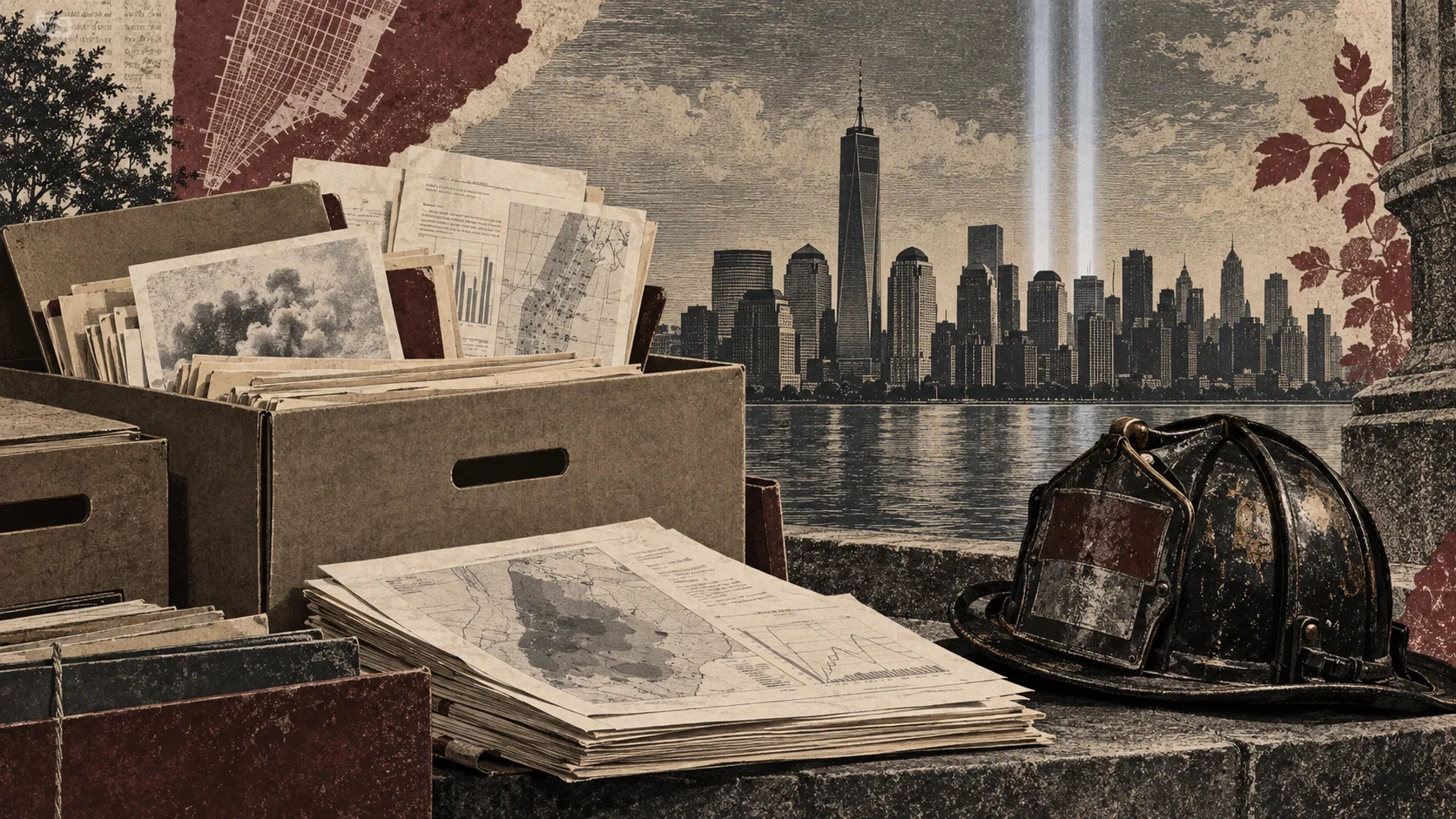
New York has released roughly 170,000 pages on the aftermath of 9/11. Honoring responders should include giving them access to the government’s records.
On the eve of the 25th anniversary of September 11, Americans will again promise to remember the people who ran toward danger. That promise should extend to letting survivors and families examine what their government knew about the dangers left behind.
On September 8, New York City announced a public portal containing roughly 170,000 pages concerning air quality, health concerns and the response to the attacks. The release accompanies the settlement of two lawsuits brought by 9/11 Health Watch after a legal fight lasting years.
Mayor Zohran Mamdani’s administration deserves credit for opening the records. Conservatives who believe government should answer to citizens ought to welcome disclosure regardless of the party responsible for it. The same principle requires asking why access took so long.
According to the city, the release includes the Harding Memo and records from 68 boxes that were not located until 2025 despite earlier public-records requests. More material is expected over the next year as officials review it and remove private identifying information.
NBC New York reported that one internal document discussed potential legal exposure involving health advisories and protective equipment. Another, from early in the Bloomberg administration, questioned advice about cleaning contaminated apartments. Those records warrant careful examination of what officials understood and what they communicated publicly. They do not, by themselves, establish every official’s knowledge or prove every allegation of wrongdoing.
There is also an explanation that needs scrutiny rather than omission. City Corporation Counsel Steven Banks told NBC that many records had been outside the city’s possession for years after being turned over to an insurer, and had only recently returned. NBC reported that the Department of Investigation is examining officials’ knowledge and the apparent withholding of information.
That investigation should produce a clear account of custody, decisions and delays. A family should not need to become expert in interagency recordkeeping to learn where relevant documents went. If agencies lost track of files, explain how. If access was lawfully restricted, explain the basis. If a restriction outlived its justification, identify who could have changed it.
The public has a right to expect more than an enormous upload followed by a congratulatory press conference. A useful archive needs searchable records, clear dates and explanations of what remains unavailable. Otherwise, the burden of making sense of government’s own history falls back on the people who already spent years seeking it.
The city also says dedicated staff will help people retrieve records for federal health and compensation programs. That is a practical commitment worth tracking. Success should be measured by whether people can obtain the documents they need, not simply by how many pages appear online.
Respect for first responders is easy to express at a ceremony. It becomes more demanding when it requires opening files, explaining failures and accepting uncomfortable questions about people once praised for their leadership.
Tomorrow’s remembrance should leave room for that obligation. The people who served, survived and lost loved ones deserve an accessible record of what happened afterward, and a government willing to explain it.

Daniel Mercer is a conservative political writer specializing in elections, government, foreign policy, and the growing power of America’s political and administrative institutions. His work focuses on how decisions made in Washington affect ordinary Americans far beyond the capital. Mercer is particularly interested in executive power, government bureaucracy, media influence, immigration, national security, and the evolution of the Republican Party. At The Dispatch Room, he approaches politics from a pragmatic conservative perspective, separating political theater from the decisions and institutions that actually shape public policy.
Discussion
Loading discussion…