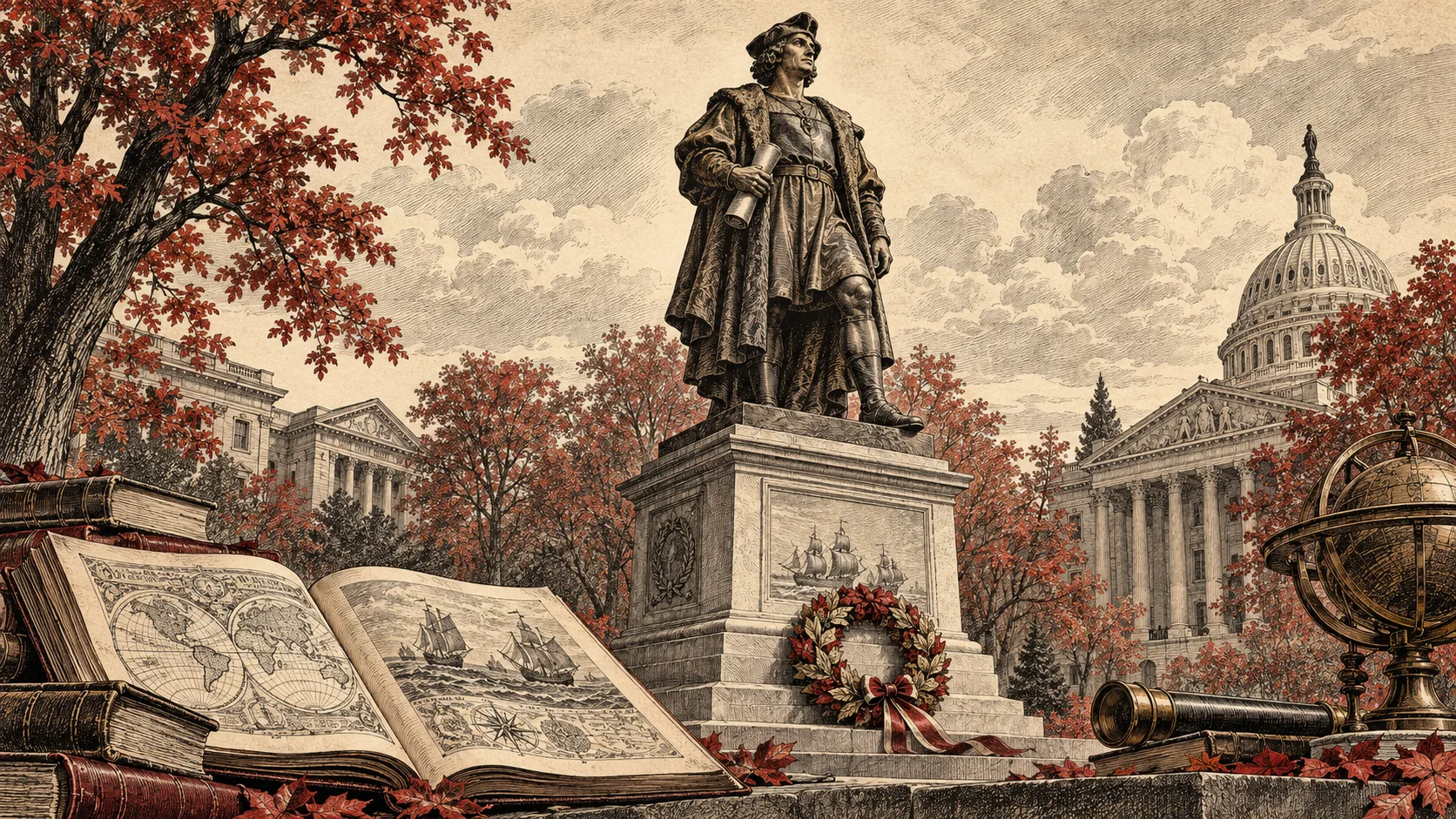
Commentary
Syracuse Can Tell More History Without Removing Columbus
The renewed monument dispute calls for fuller history and genuine public debate—not an assumption that removal is progress.
The Culture desk covers disputes over entertainment, religion, identity, family and public memory. These stories examine how institutions turn cultural assumptions into rules—and why seemingly symbolic fights often reveal larger struggles over power.
The renewed monument dispute calls for fuller history and genuine public debate—not an assumption that removal is progress.
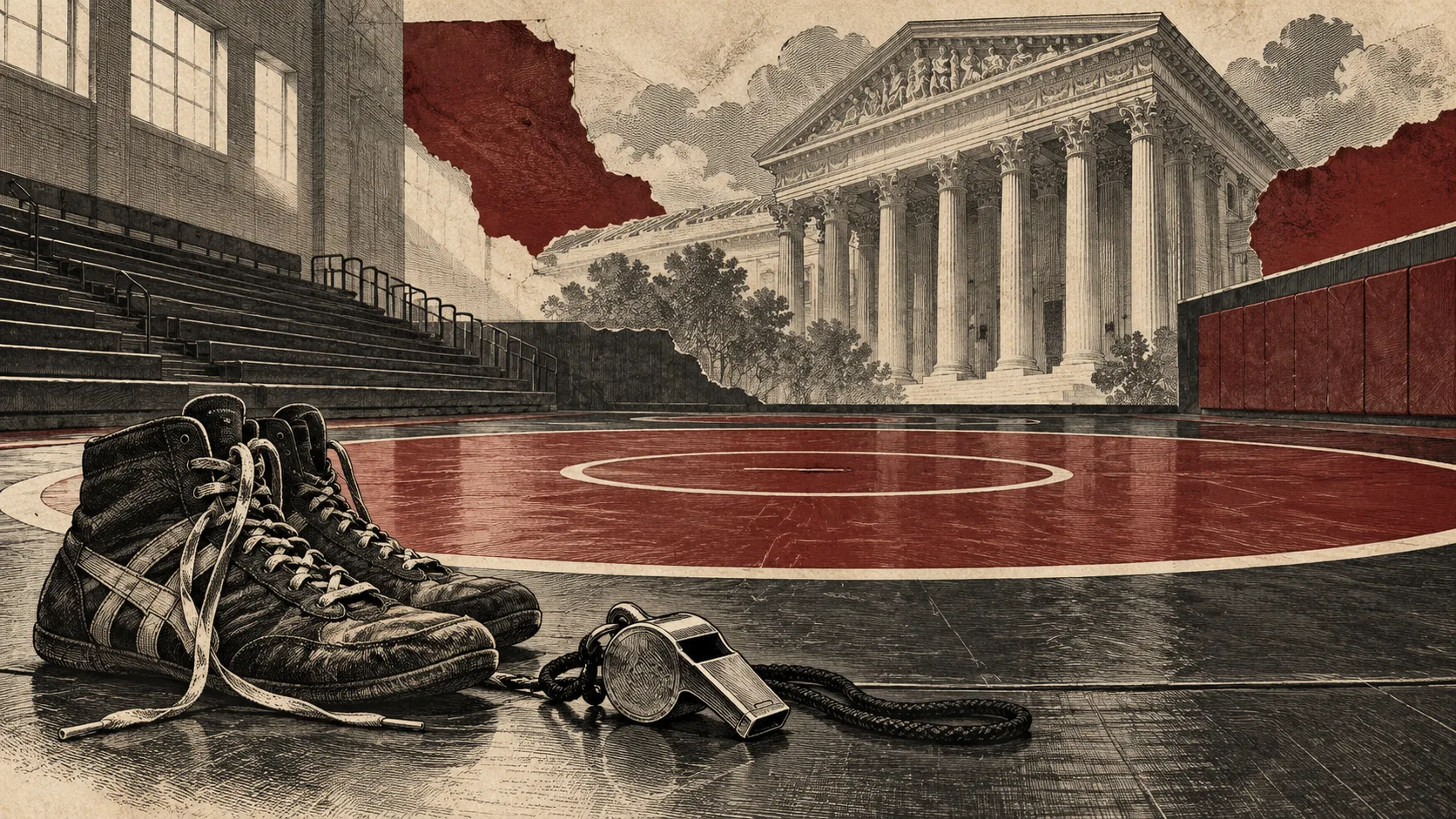
A Washington wrestling dispute reaches the Supreme Court. The case for sex-based competition deserves an answer, not a slogan.

The Aslan casting debate raises a fair question about fidelity to C. S. Lewis—but a casting announcement is not a review of the finished film.
The dispute over Macklemore’s removal has drawn performers and venues into a political fight. The fans deserve consideration, too.
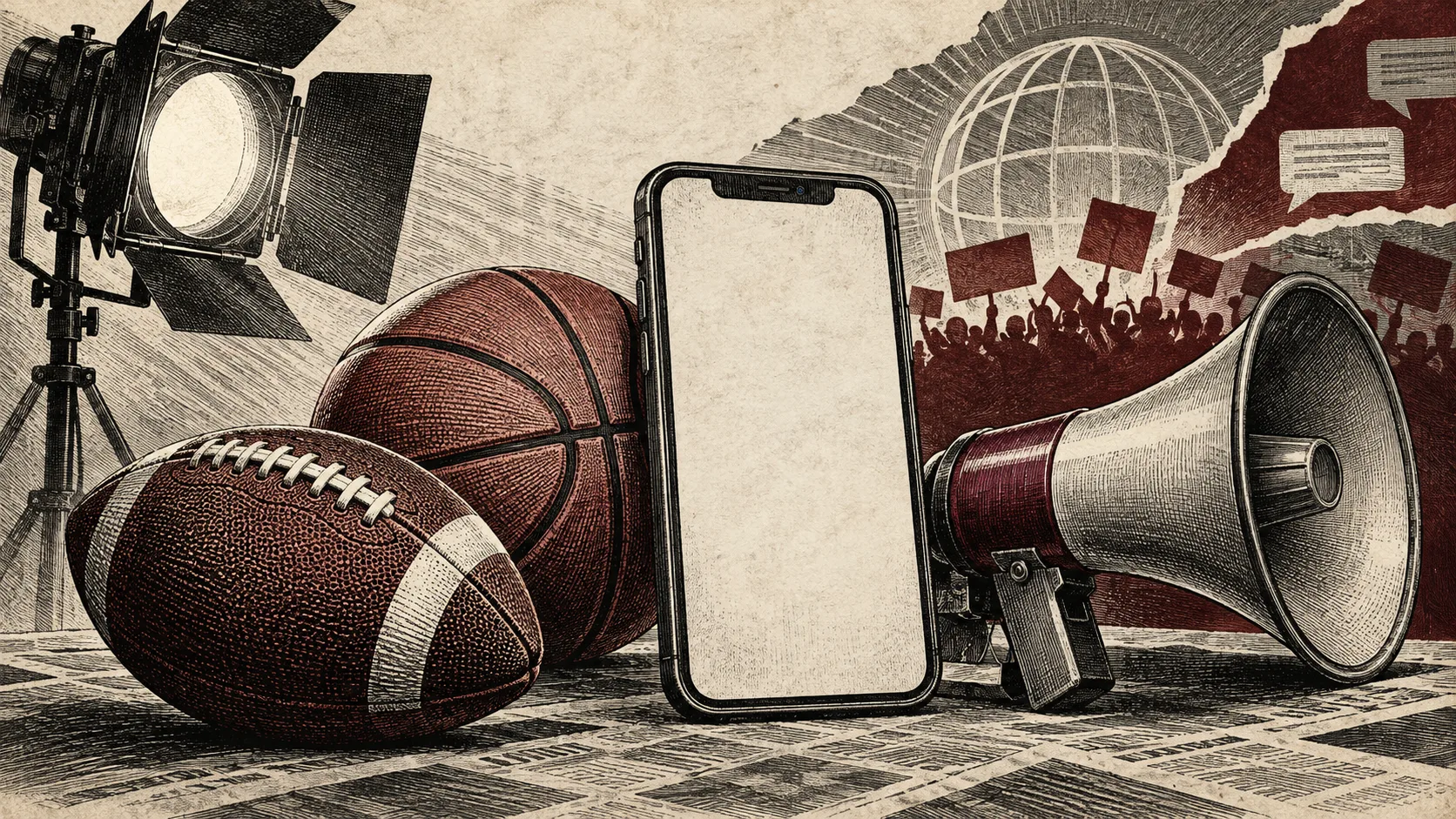
The athletes have a criticism. The actress has a choice. The company has a product to sell while everyone argues.
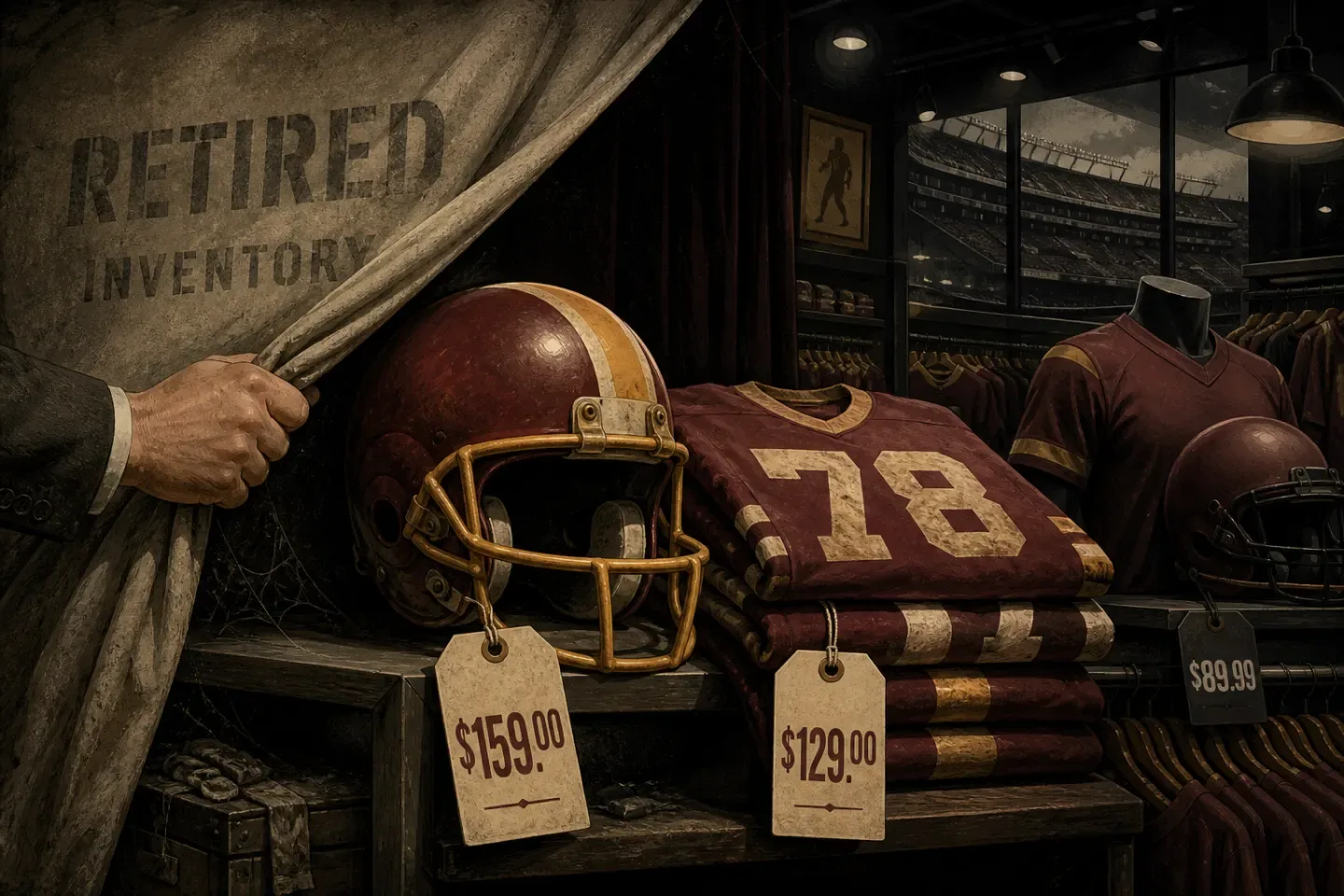
Washington has not restored its former team name. It has done something more revealing: put the supposedly forbidden identity back on the shelf with a price tag attached.
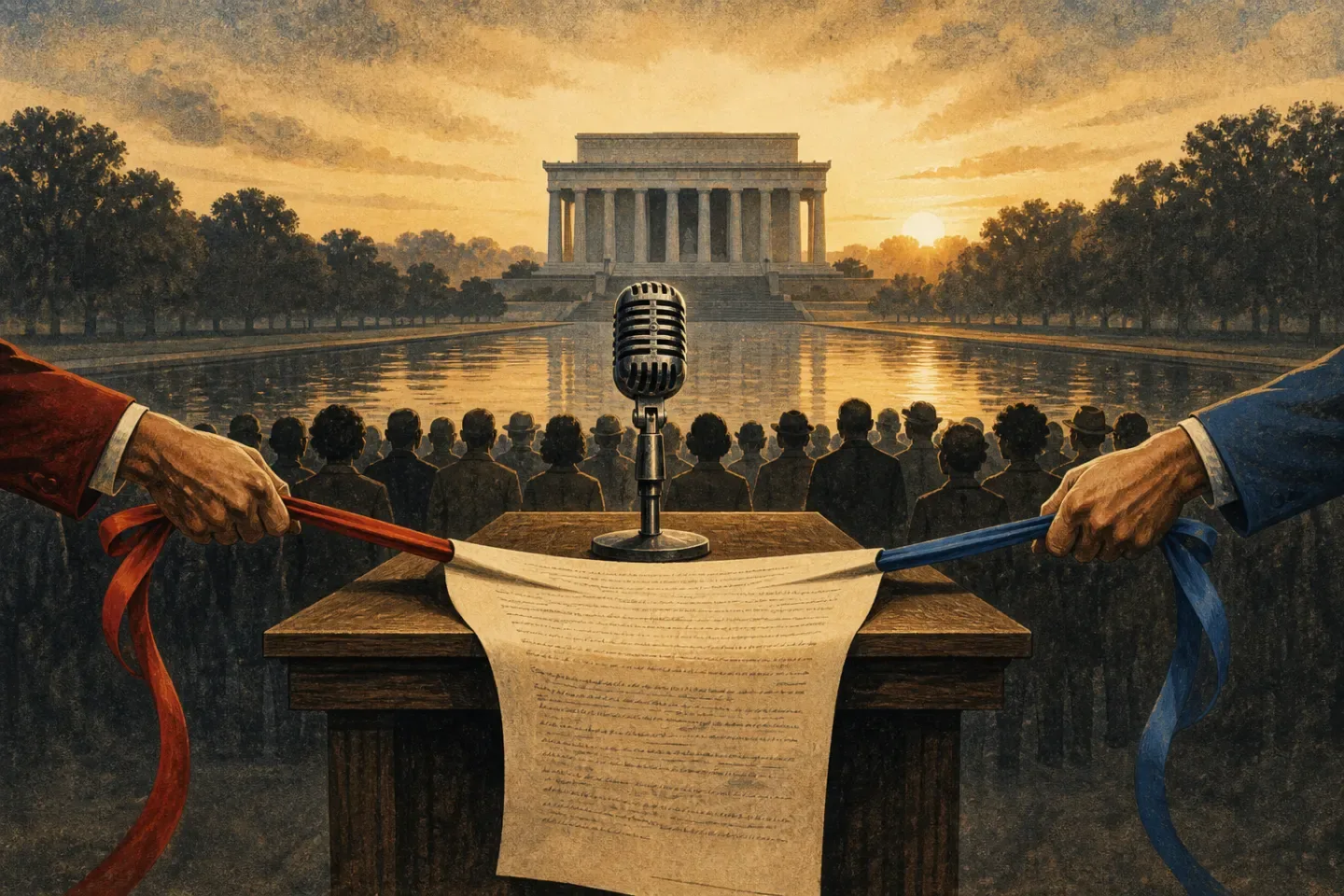
Sixty-three years after the March on Washington, the Left and Right still compete to inherit King’s moral authority. Neither side should be allowed to keep only the sentences it finds convenient.
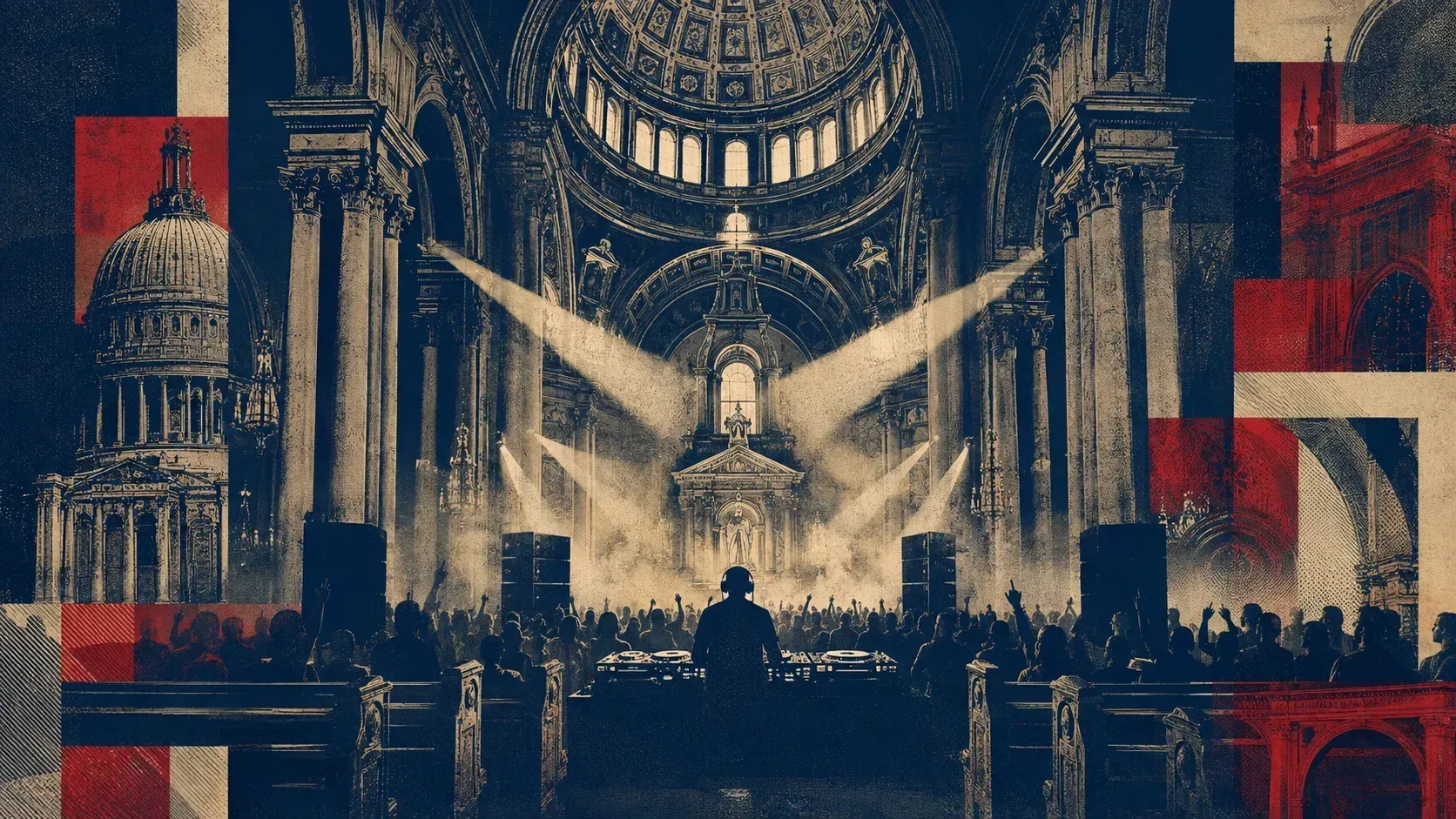
London’s most recognizable cathedral has made Fabric its exclusive contemporary-music partner through 2030. The arrangement raises a question institutions keep avoiding: what is a sacred place for?
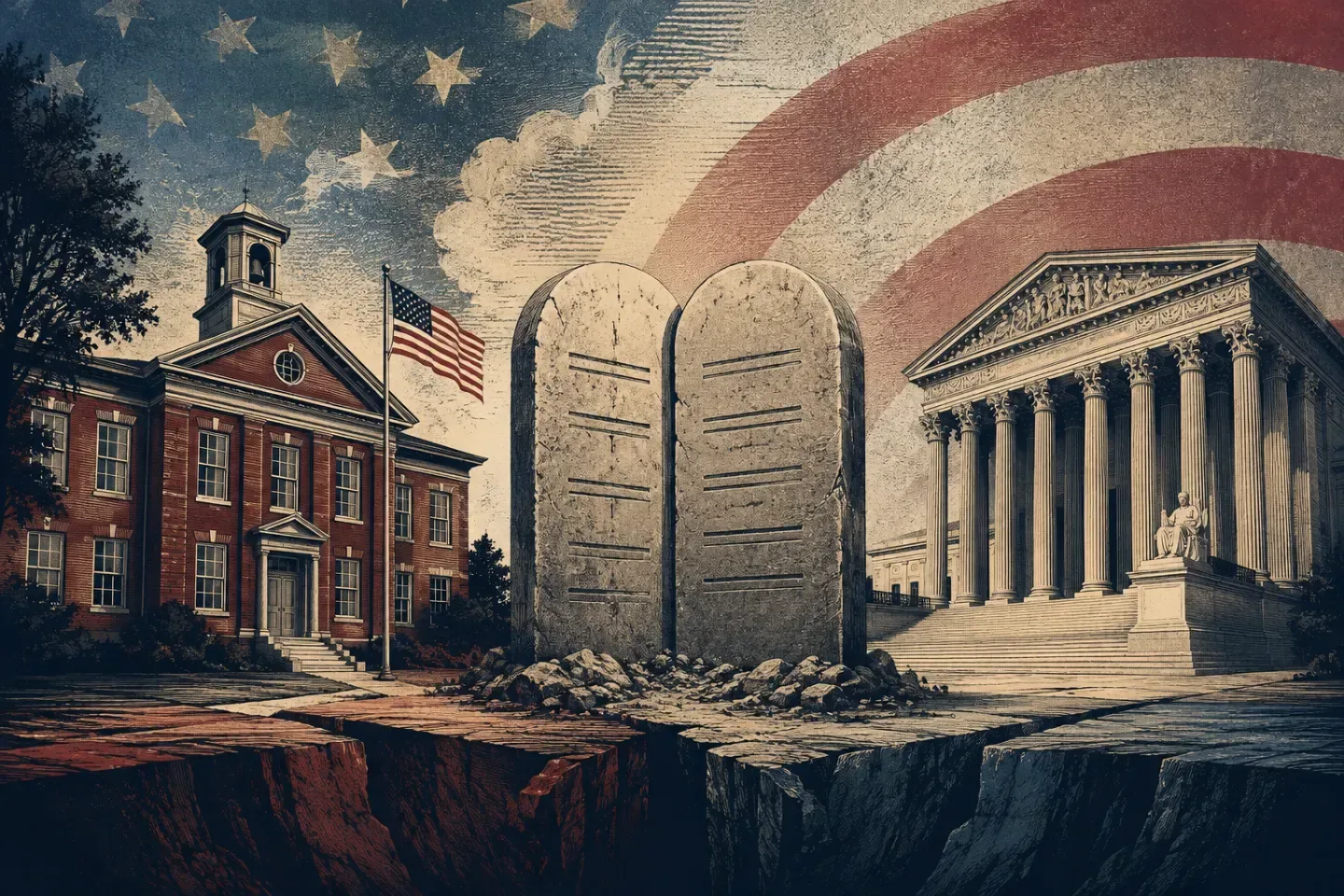
Texas has placed history, religion and parental authority on a collision course—and the justices may soon have to draw a new constitutional line.

Lindsay Clancy’s supporters say they are raising awareness about postpartum mental health. But their pink shirts, sympathetic slogans, and public displays have placed the accused killer—not her children—at the emotional center of the story.
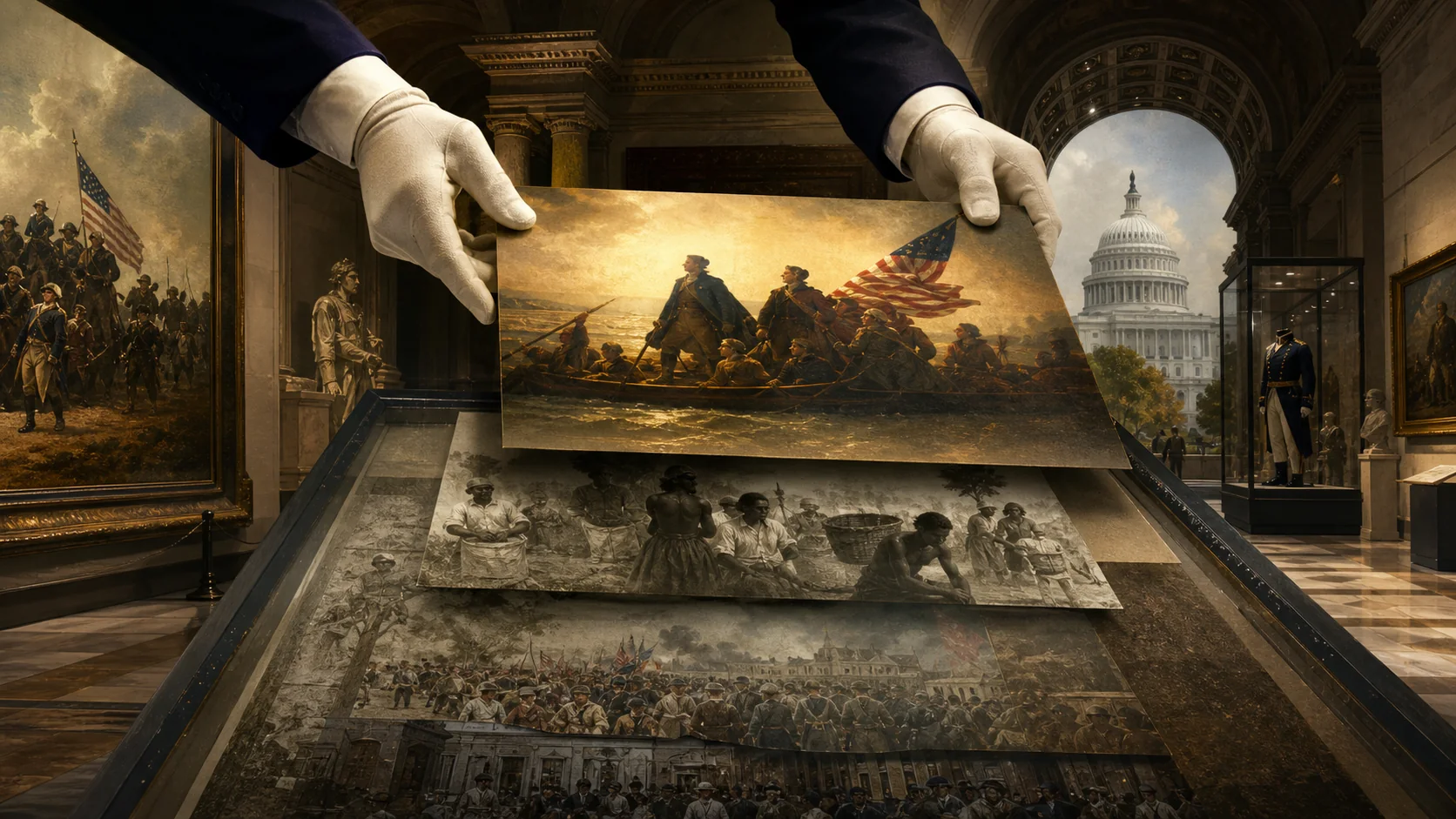
Taxpayers fund America’s national museums. They are entitled to ask why so much institutional history sounds like an indictment written by people embarrassed by the country that pays them.

Executives learned that ideological branding creates political risk. Instead of holding an honest debate, many companies are replacing loaded terminology while preserving policies behind closed doors.