
The dispute over Macklemore’s removal has drawn performers and venues into a political fight. The fans deserve consideration, too.
Someone who buys an Ed Sheeran ticket should be allowed to want an evening of music without first explaining a position on the Middle East. That modest expectation now seems almost embarrassingly unfashionable. In the argument surrounding Sheeran's tour, even wanting a break from politics has become a political offense in somebody's eyes.
According to Reuters, Finneas, Lukas Graham, Aaron Rowe and members of Beoga withdrew from the tour after Macklemore's removal. Sheeran said the promoter made that decision following objections from stadium owners, and that his attempts to resolve the dispute failed. Macklemore attributed his removal to his pro-Palestinian remarks and distinguished criticism of Israel from hostility toward Jewish people.
Gillette Stadium owner Robert Kraft gave a different explanation. In a statement reported by UPI, he cited Macklemore's recent conduct and what he described as a history of antisemitic rhetoric and imagery. That is Kraft's characterization, not a finding this article independently establishes.
Those differences matter. This is a dispute involving performers, promoters and venues with competing judgments—not a story that can honestly be reduced to one slogan.
Fans are not a captive political constituency
Artists have convictions, and audiences cannot reasonably expect every song to be scrubbed of politics. Protest music has a place. A performer whose work is explicitly political is offering something different from a headliner who wants his show to bring together people who disagree.
The problem comes when that distinction disappears and every stage is treated as an opportunity to demand public allegiance. A person can care deeply about suffering without wanting a concert turned into a test of moral acceptability. Quiet concern is not automatically indifference, and enjoying a song does not require endorsing every judgment made by the people performing it.
Sheeran's stated wish to keep concerts apart from political confrontation deserves a fair hearing. He should not have to demonstrate compassion by adopting somebody else's preferred method of expressing it. Nor should fans have to defend their desire for the show they expected when they paid for tickets.
That is not a demand that Macklemore abandon his convictions. It is an argument that the expectations surrounding a shared event matter, especially when other performers and paying customers are involved.
Freedom includes disagreement about the stage
The departing musicians can regard withdrawal as an act of solidarity. A venue can explain why it does not want to host a particular performer. Both decisions invite criticism, and neither explanation should be accepted merely because it comes from the side a reader prefers.
If a venue invokes antisemitism, it should identify the conduct at issue rather than assume the label settles every question. If an artist invokes censorship, that should not end discussion of the headliner's responsibilities or the commitments made to an audience. Clear standards are more useful than competing declarations of righteousness.
A sensible conservative response should defend room for disagreement while taking ordinary obligations seriously. Personal expression matters; so do promises, professional judgment and respect for the people financing the evening. Artists and promoters should establish boundaries before a tour reaches the point of public ultimatums.
The people who bought tickets deserve prompt, accurate information about lineup changes and their options. They should not become an afterthought while famous people debate who has demonstrated the greatest virtue.
There is room for political music and room for concerts that offer temporary relief from political conflict. A culture that cannot tolerate the second is not becoming more thoughtful. It is becoming less capable of letting people share anything without first choosing a side.
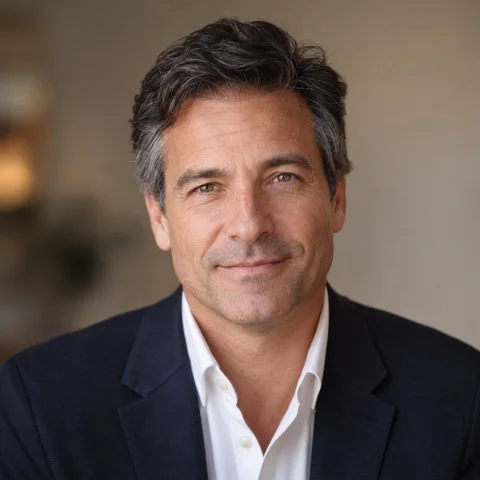
Marcus Bennett is a conservative commentator focused on crime, education, economic opportunity, urban policy, and American culture. Raised in a working-class community outside Atlanta, Bennett developed his politics around the belief that public policy should be judged by results rather than intentions. His columns frequently examine failing institutions, public safety, family stability, educational reform, and the political assumptions surrounding Black Americans. Bennett brings a skeptical, data-driven approach to political arguments and has little patience for ideological explanations that fail to match conditions on the ground.
Discussion
Loading discussion…