The DOJ’s new review raises serious questions about federal power. Accountability requires the records, not a partisan shortcut.
An ordinary parent should be able to walk into a school board meeting, criticize the people running the district and go home without wondering whether political disagreement has put the family on a federal radar. That should be a basic expectation in a free country, not a concession officials make when the cameras arrive.
An October 5 report from the Justice Department's Weaponization Working Group puts that principle back under scrutiny. The department says its review of the Biden-era response to school-board disputes found political pressure behind the October 2021 Garland memorandum and concerns among federal personnel about the initiative. It also says the FBI opened 25 Guardian assessments involving parents. Those are the current department's findings, not a court judgment establishing that every assessment was unlawful.
The original memorandum matters, too. Garland expressly distinguished constitutionally protected policy debate from threats of violence and directed federal officials to coordinate with other law-enforcement agencies. It did not declare every angry parent a terrorist. Conservatives weaken a serious argument when they replace the actual document with an exaggerated version that is easier to knock down.
The harder question is whether the safeguards promised on paper governed what happened in practice. A statement respecting free speech means little if officials stretch the definition of a threat until it covers citizens who are loud, embarrassing or politically inconvenient.
Schools deserve protection from credible threats. Teachers should not have to fear violence because they work in public education. But neither proposition gives administrators a special entitlement to be insulated from criticism. A superintendent's discomfort cannot be the test for opening an investigative file.
Washington should have to explain the factual predicate, the federal interest and the decision-making behind any intervention in a local political dispute. Who approved it? What conduct, rather than viewpoint, justified it? When concerns arose, who had the authority to stop it? Those questions are more useful than another televised exchange of accusations.
The department now says affected parents will be offered access to their assessments and that it will review potential constitutional violations. That is a starting point. Meaningful accountability would also include clear standards that survive the next election, appropriate privacy protections and an explanation of what changes when an investigation is found to have crossed the line.
Republicans should insist on those limits even when their own officials are the ones being heckled. A federal apparatus that can be turned against inconvenient parents can also be turned against a different movement under a different president.
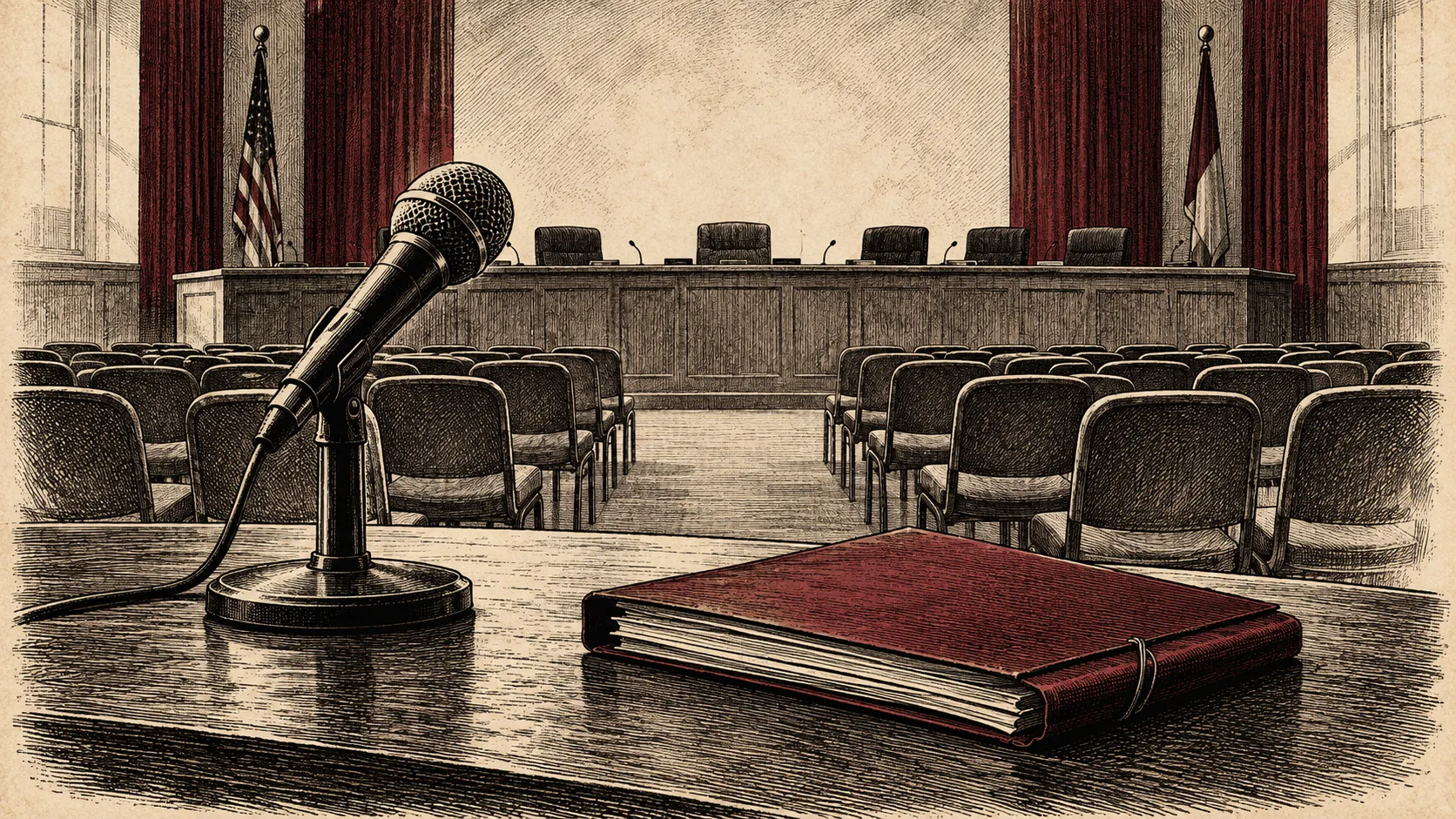
Local education cannot remain accountable if the people paying for it and entrusting their children to it feel that participation carries an unexplained investigative risk. The school-board microphone belongs to the public. Officials should need a concrete reason to bring federal law enforcement into the room.

Daniel Mercer is a conservative political writer specializing in elections, government, foreign policy, and the growing power of America’s political and administrative institutions. His work focuses on how decisions made in Washington affect ordinary Americans far beyond the capital. Mercer is particularly interested in executive power, government bureaucracy, media influence, immigration, national security, and the evolution of the Republican Party. At The Dispatch Room, he approaches politics from a pragmatic conservative perspective, separating political theater from the decisions and institutions that actually shape public policy.
Discussion
Loading discussion…