
Politics
Your Medical Records Deserve More Than a Promise From Big Tech
The Palantir–NHS dispute calls for enforceable safeguards and measurable results, not blind trust or unsupported accusations.

Naomi Carter is a conservative columnist whose work focuses on women, identity politics, gender, race, media, and the cultural institutions influencing younger Americans. Carter became increasingly skeptical of progressive politics after seeing complex questions of identity reduced to rigid ideological categories. Her writing challenges political orthodoxies on both race and gender while emphasizing individual agency, personal responsibility, free expression, and equal treatment under the law. At The Dispatch Room, Carter frequently examines how political narratives are created, amplified by media and institutions, and ultimately experienced by ordinary people.
The Palantir–NHS dispute calls for enforceable safeguards and measurable results, not blind trust or unsupported accusations.

Hegseth’s new religious-affairs office deserves a fair chance—and a clear standard: support the troops’ faith without imposing one.
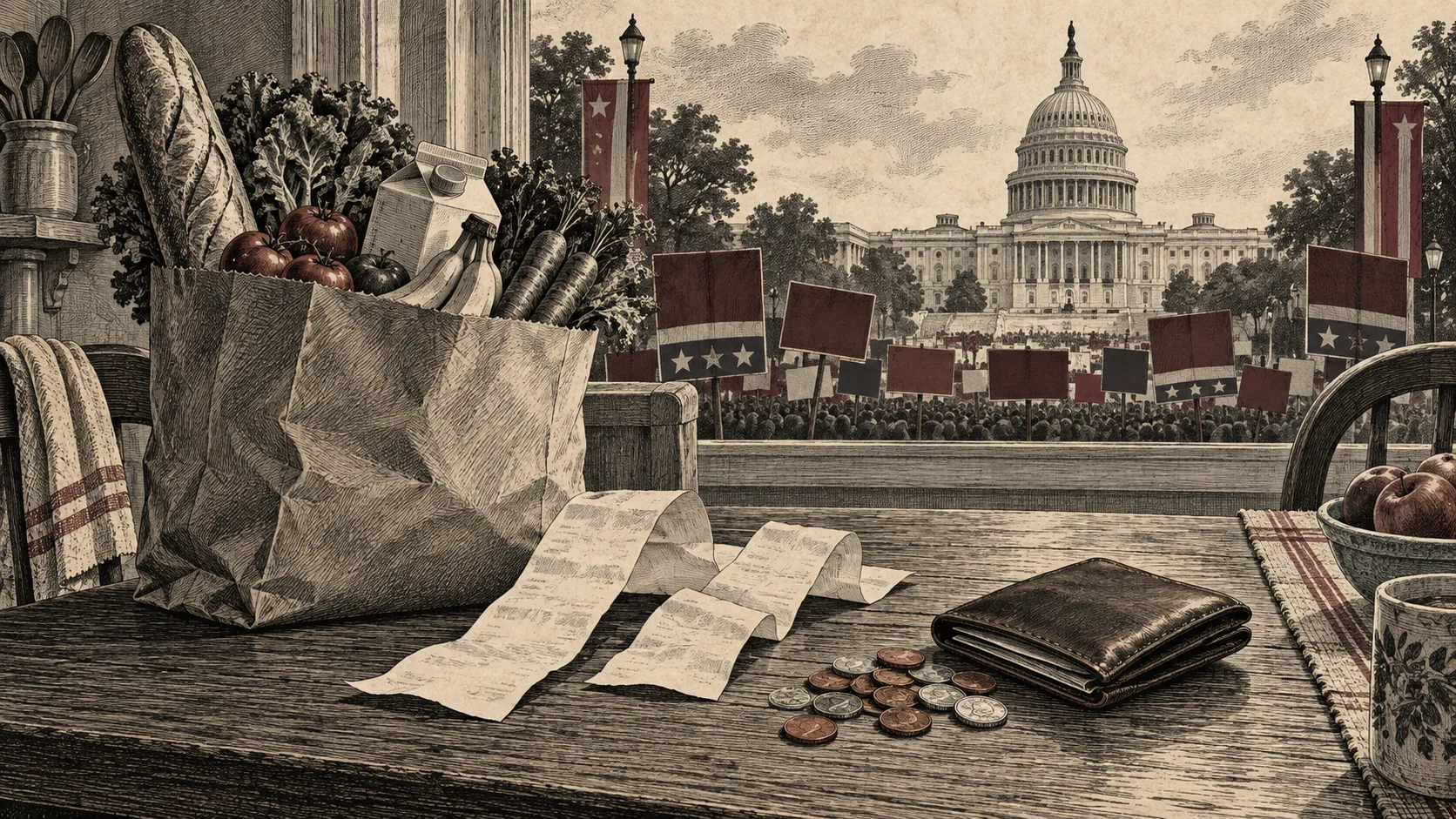
New Republican spending in once-safe House races is a reminder that voter loyalty is earned through results, not inherited from the last election.

Oklahoma’s new charter-school ruling makes the case for parental choice—and for applying religious liberty consistently.

A coming Senate hearing should demand clear limits on access, retention and misuse—not just assurances that surveillance helps solve crimes.

A Fort Worth family's allegations raise a basic question: who protects children when the adults entrusted with them fail to intervene?

Seven Lower Merion families are challenging the loss of a school-device opt-out. New safeguards deserve credit, but parents still deserve a meaningful say.

The Dallas interruption gave the vice president a ready-made argument about patriotism. A protest that attracts attention can still fail to make its case.
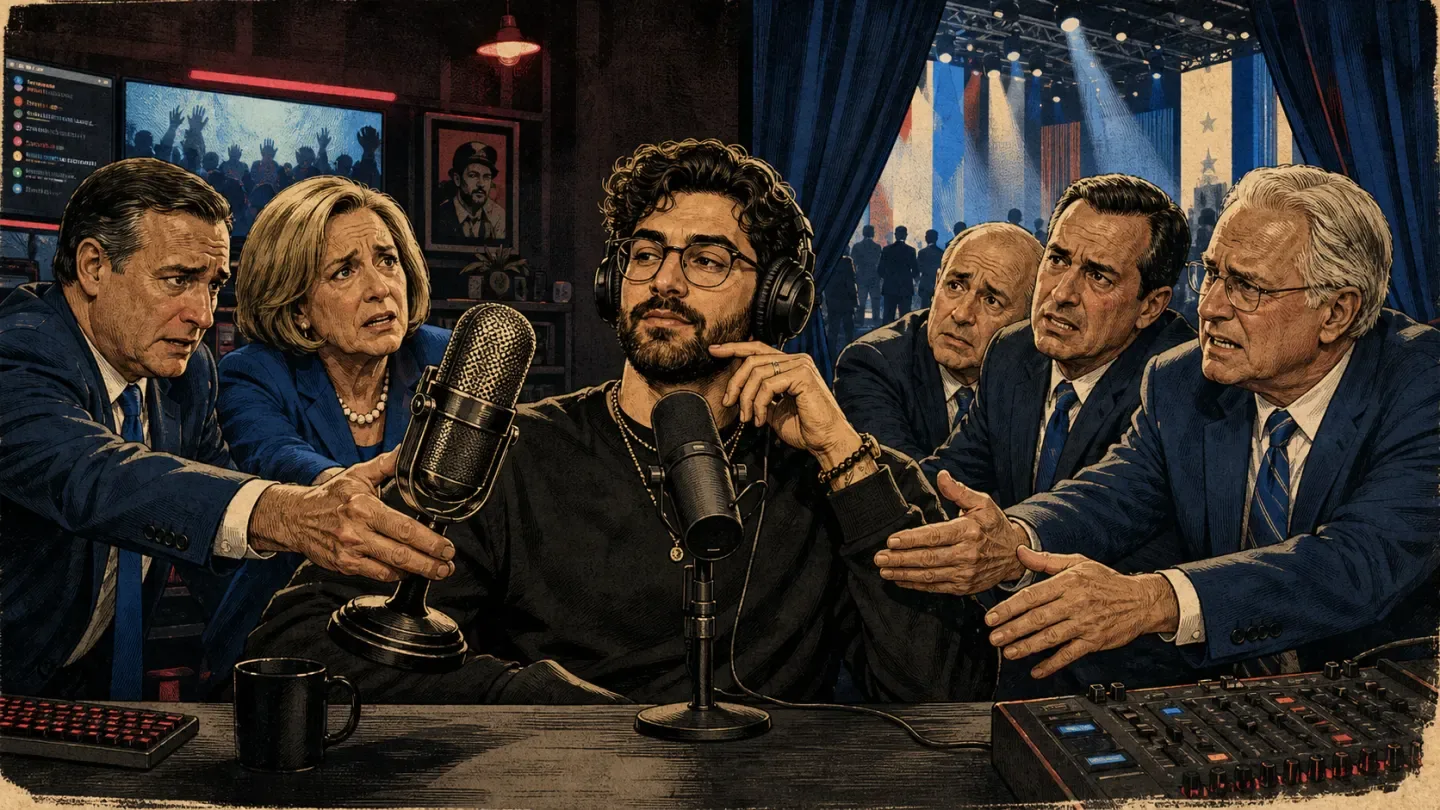
The party spent years searching for an online celebrity who could deliver disaffected young voters. Now its leaders are discovering that renting a radical’s audience means inheriting his politics.

Male victims are real, numerous and often invisible. A support system built around one image of domestic abuse leaves too many men with nowhere credible to turn.
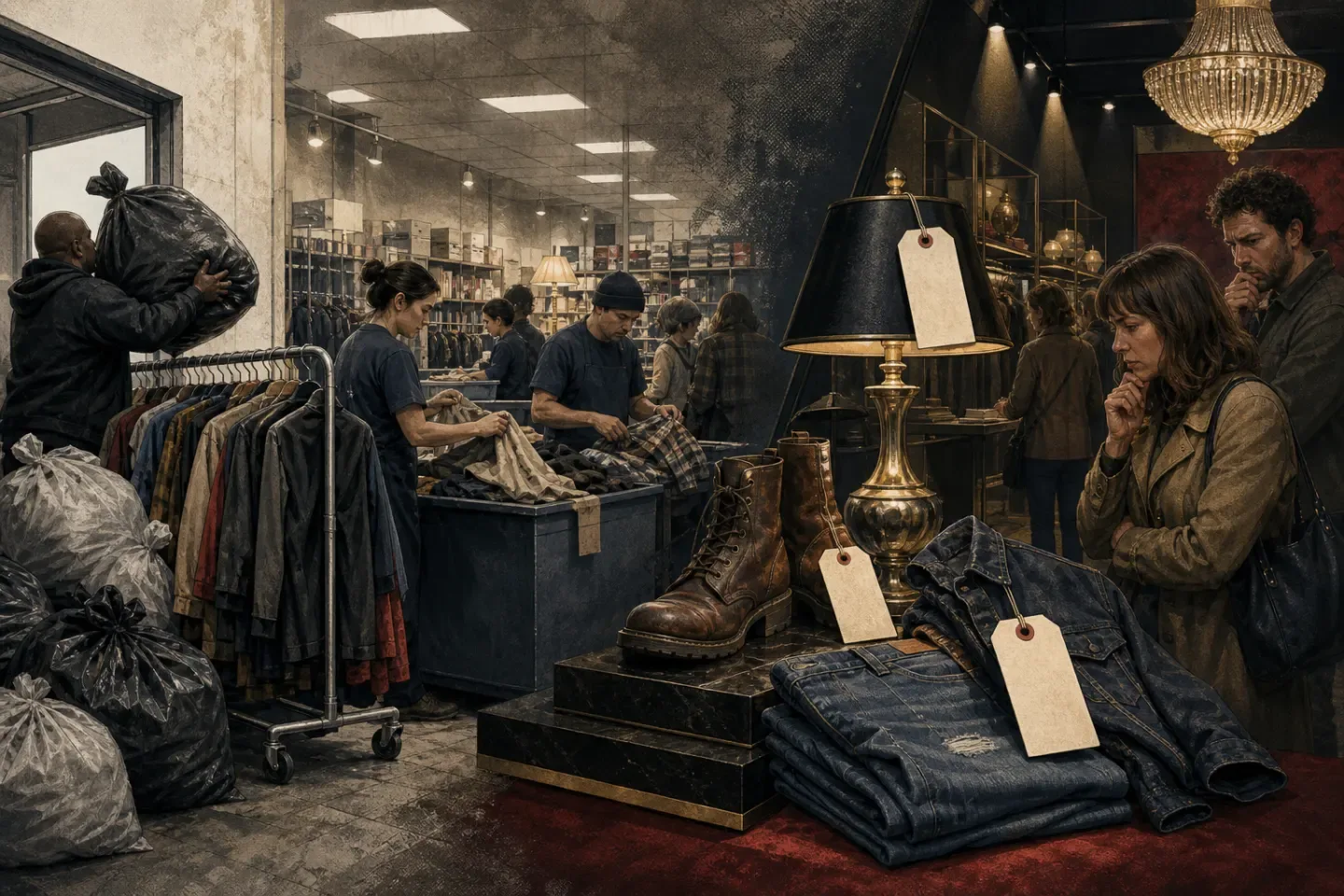
Shoppers are finding used clothing, battered furniture and donated household goods priced like new merchandise. The thrift-store bargain is beginning to feel broken.
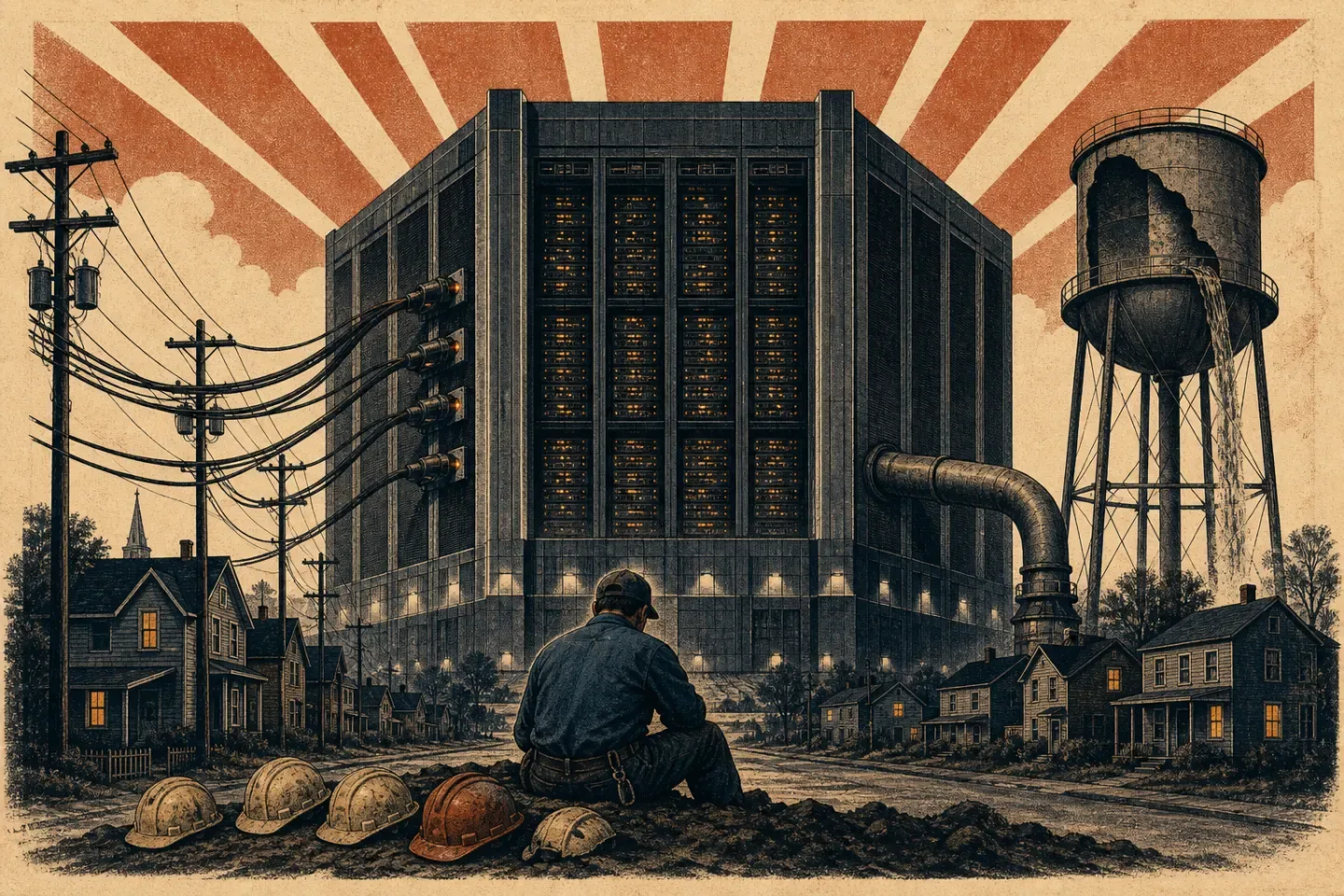
The AI boom has arrived with a familiar promise: subsidize the infrastructure now and prosperity will follow. Communities should inspect the bill before signing.
Rula Jebreal’s attack on Hakeem Jeffries exposed a political culture that treats bigotry as intolerable in theory and negotiable when the target becomes inconvenient.

Kansas City’s gender-policy lawsuit asks whether public schools may manage a child’s identity at school while withholding the underlying records and plan from parents.
The latest injunction settles what the government may do today, but it will not end the argument over citizenship, executive power and the meaning of the Fourteenth Amendment.

Lindsay Clancy’s supporters say they are raising awareness about postpartum mental health. But their pink shirts, sympathetic slogans, and public displays have placed the accused killer—not her children—at the emotional center of the story.
Officials insist mass illegal voting is not happening. The more uncomfortable question is whether a system that struggles to verify eligibility could reliably know if it were.