
Education
Ohio’s Voucher Fight Should Start With Families, Not Institutional Turf
The latest EdChoice ruling leaves scholarships operating while the legal fight continues. Parents deserve meaningful options, clear rules and less uncertainty.

Daniel Mercer is a conservative political writer specializing in elections, government, foreign policy, and the growing power of America’s political and administrative institutions. His work focuses on how decisions made in Washington affect ordinary Americans far beyond the capital. Mercer is particularly interested in executive power, government bureaucracy, media influence, immigration, national security, and the evolution of the Republican Party. At The Dispatch Room, he approaches politics from a pragmatic conservative perspective, separating political theater from the decisions and institutions that actually shape public policy.
The latest EdChoice ruling leaves scholarships operating while the legal fight continues. Parents deserve meaningful options, clear rules and less uncertainty.
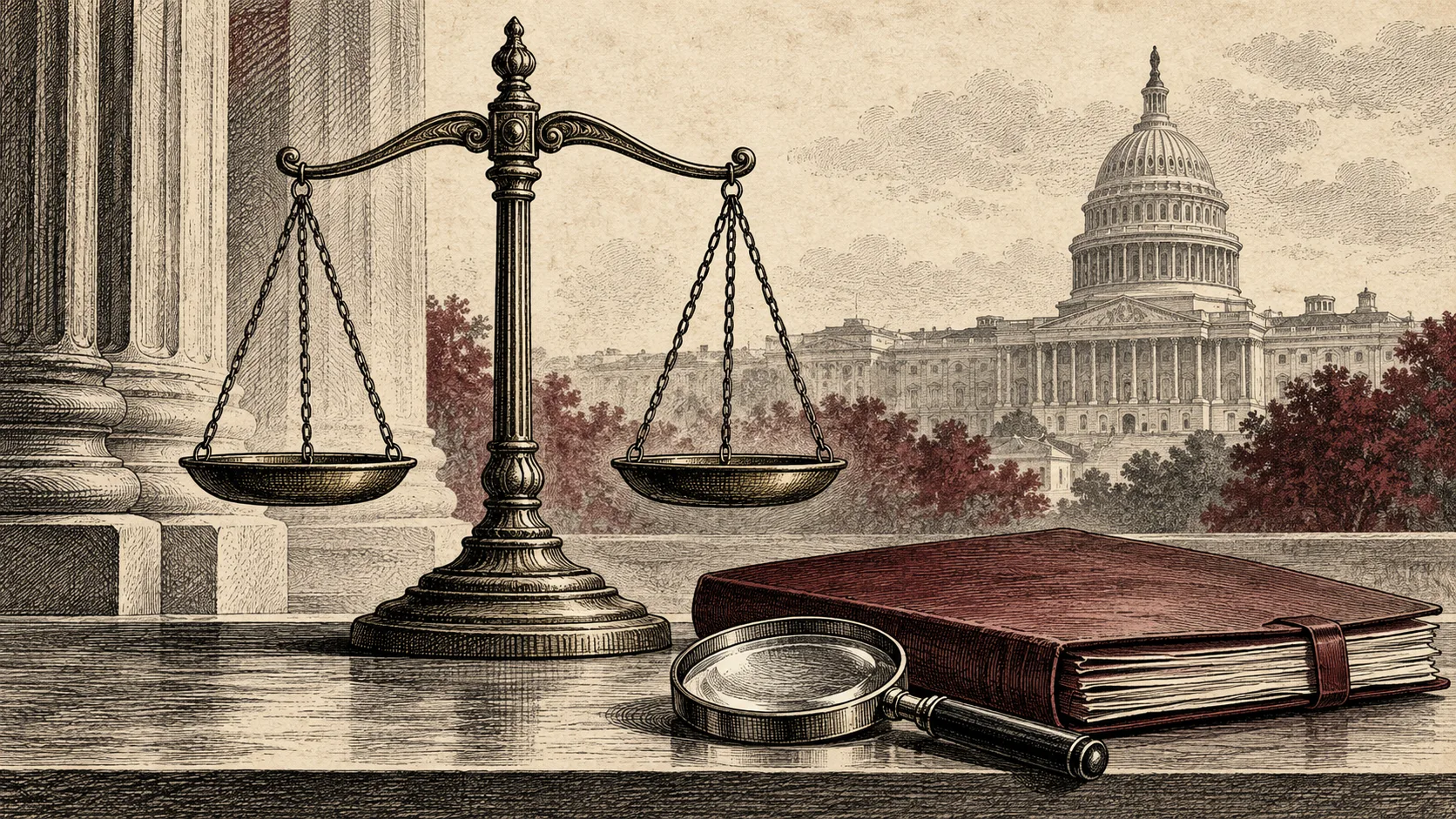
A government search and a defense lawyer’s objections are not verdicts. Equal justice requires a standard that survives partisan disagreement.
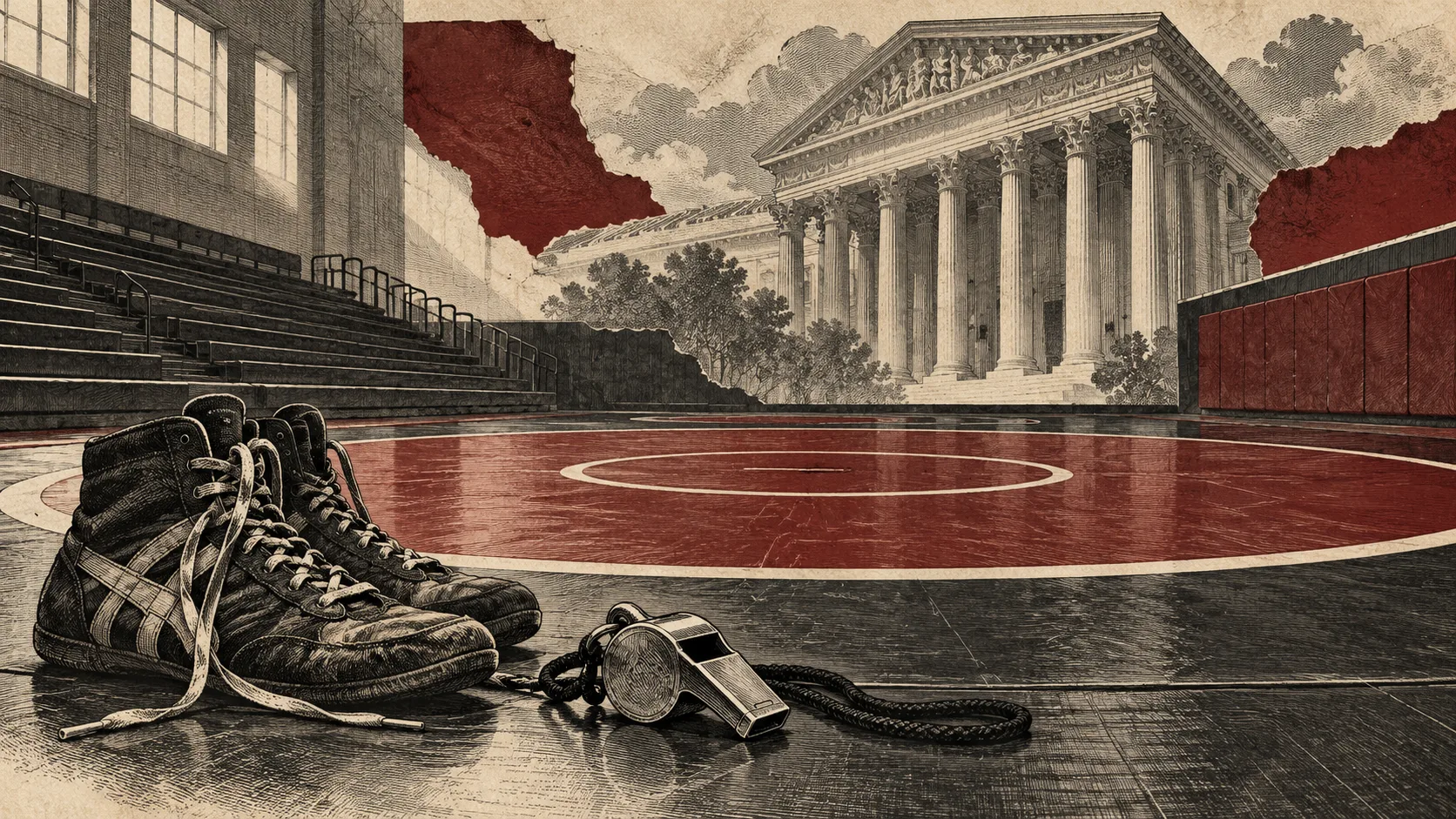
A Washington wrestling dispute reaches the Supreme Court. The case for sex-based competition deserves an answer, not a slogan.
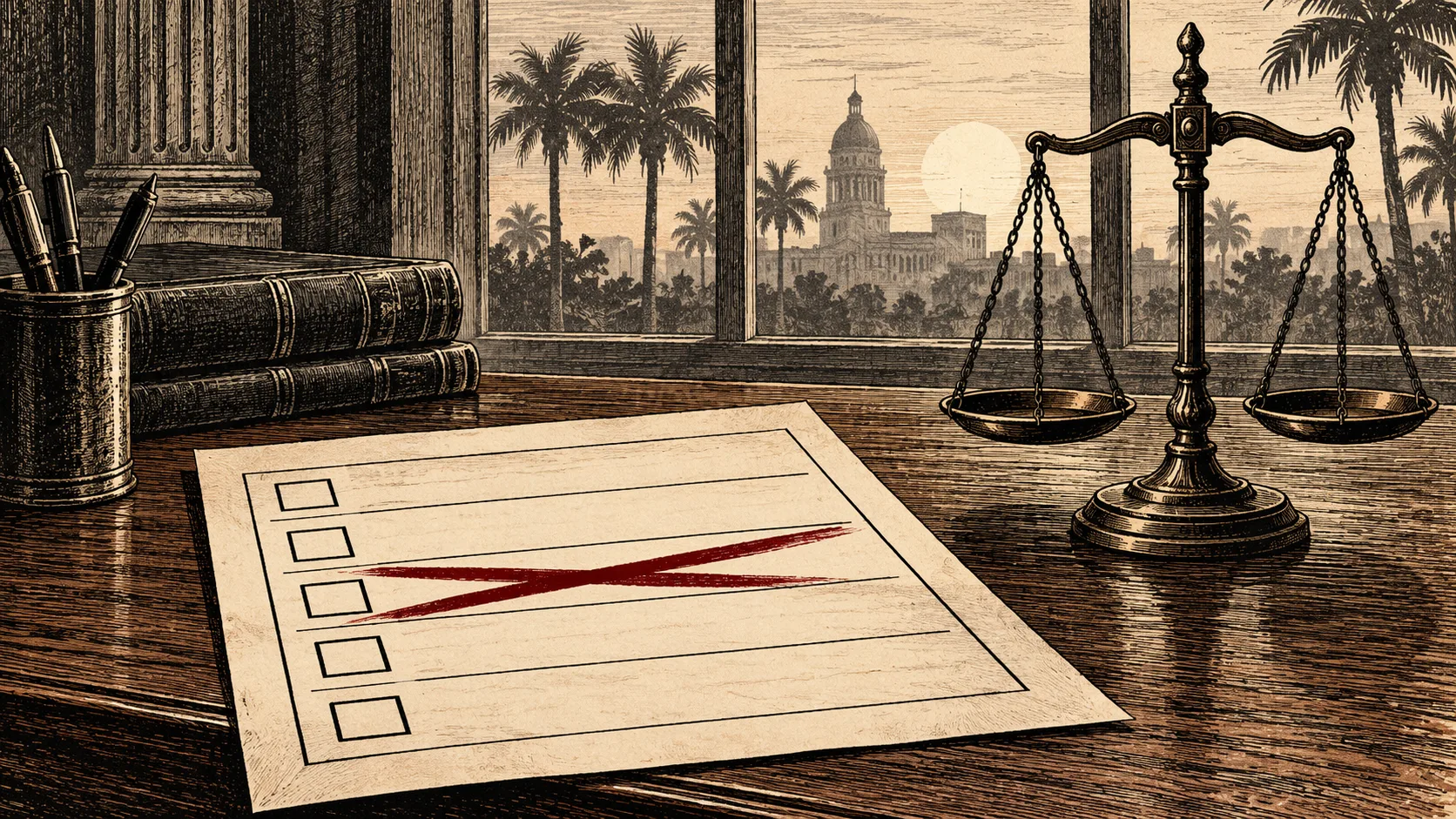
Palm Beach Republicans removed Mike Caruso from their voter guide. Due process and responsible political judgment can coexist.
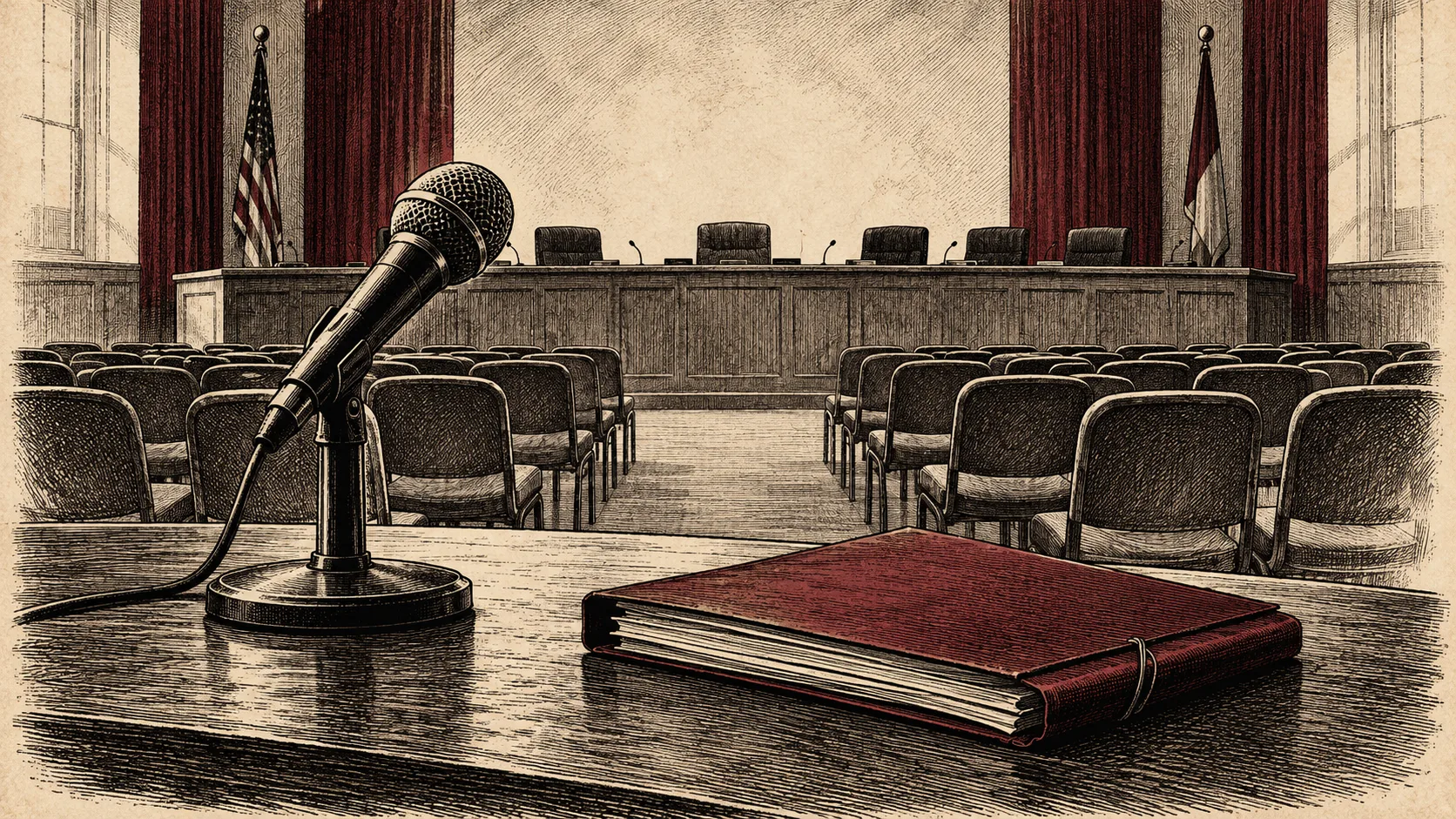
The DOJ’s new review raises serious questions about federal power. Accountability requires the records, not a partisan shortcut.
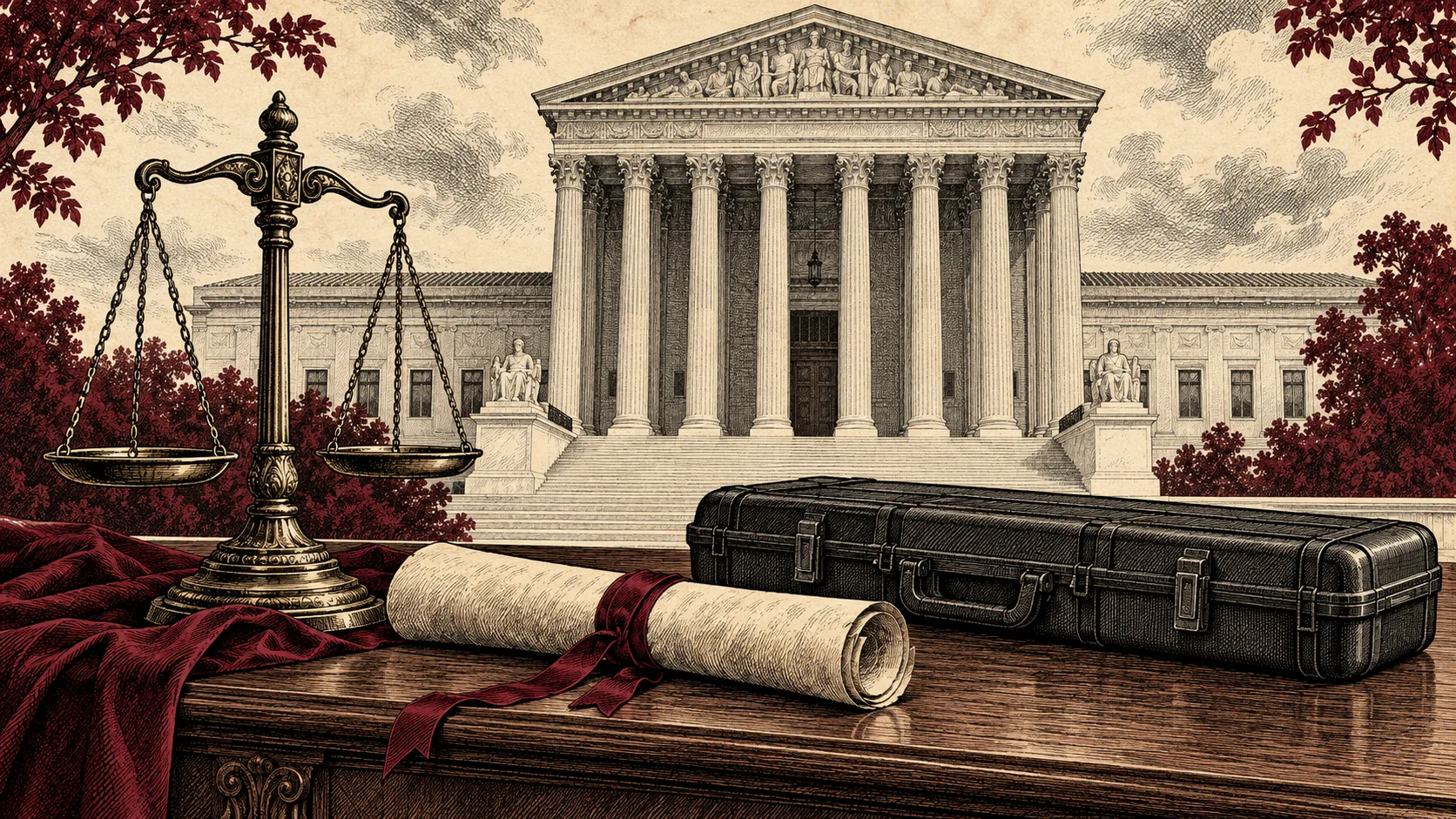
The Supreme Court’s coming rifle-ban case should test the government’s reasoning, not settle for the rhetoric surrounding firearms.
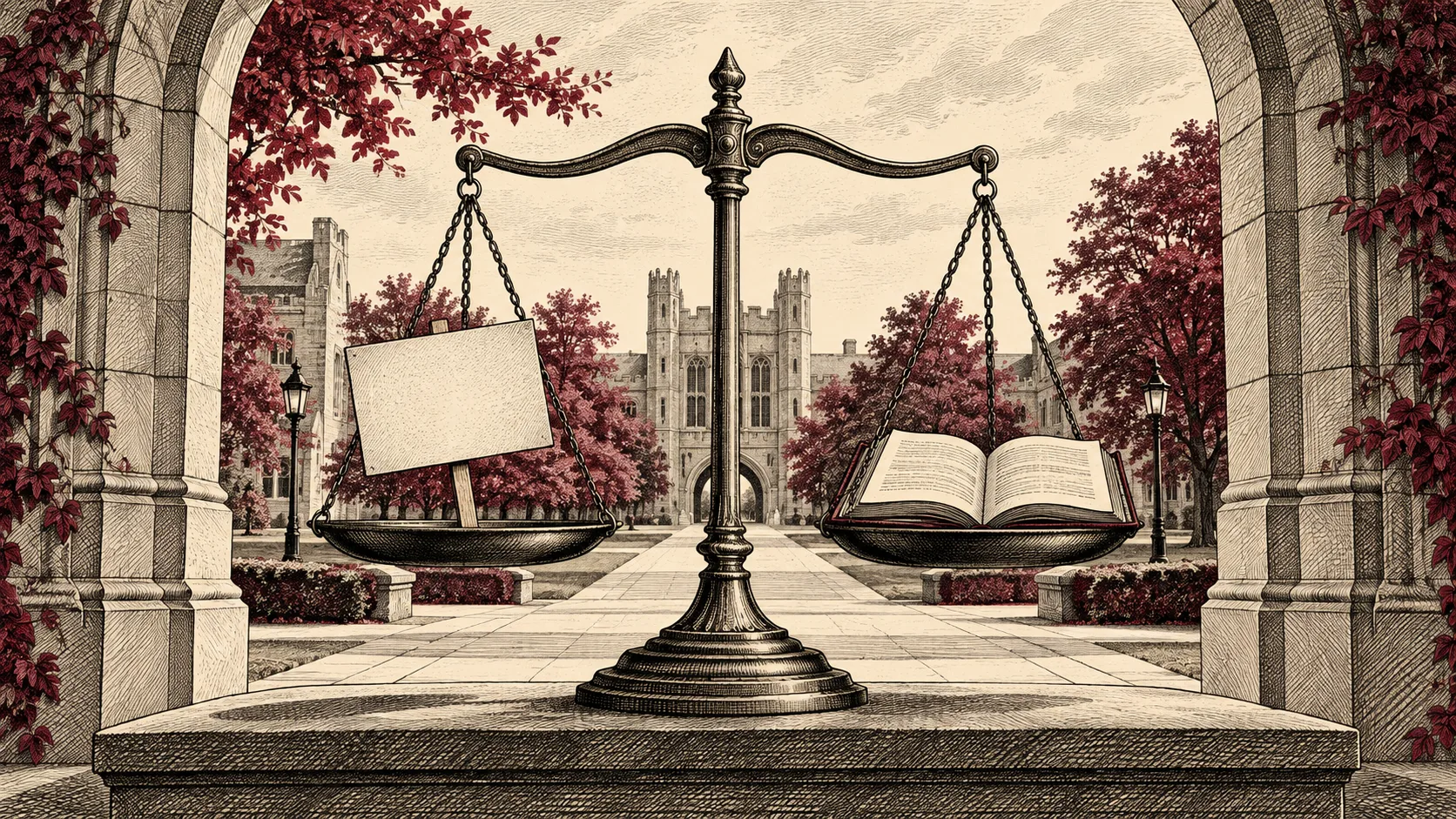
UT-Austin won a protest-rights case. The broader lesson is consistent rules, fair process and room for both dissent and learning.

A prosecutor’s request for an investigation raises a basic question: can taxpayers follow the decisions made with their money?
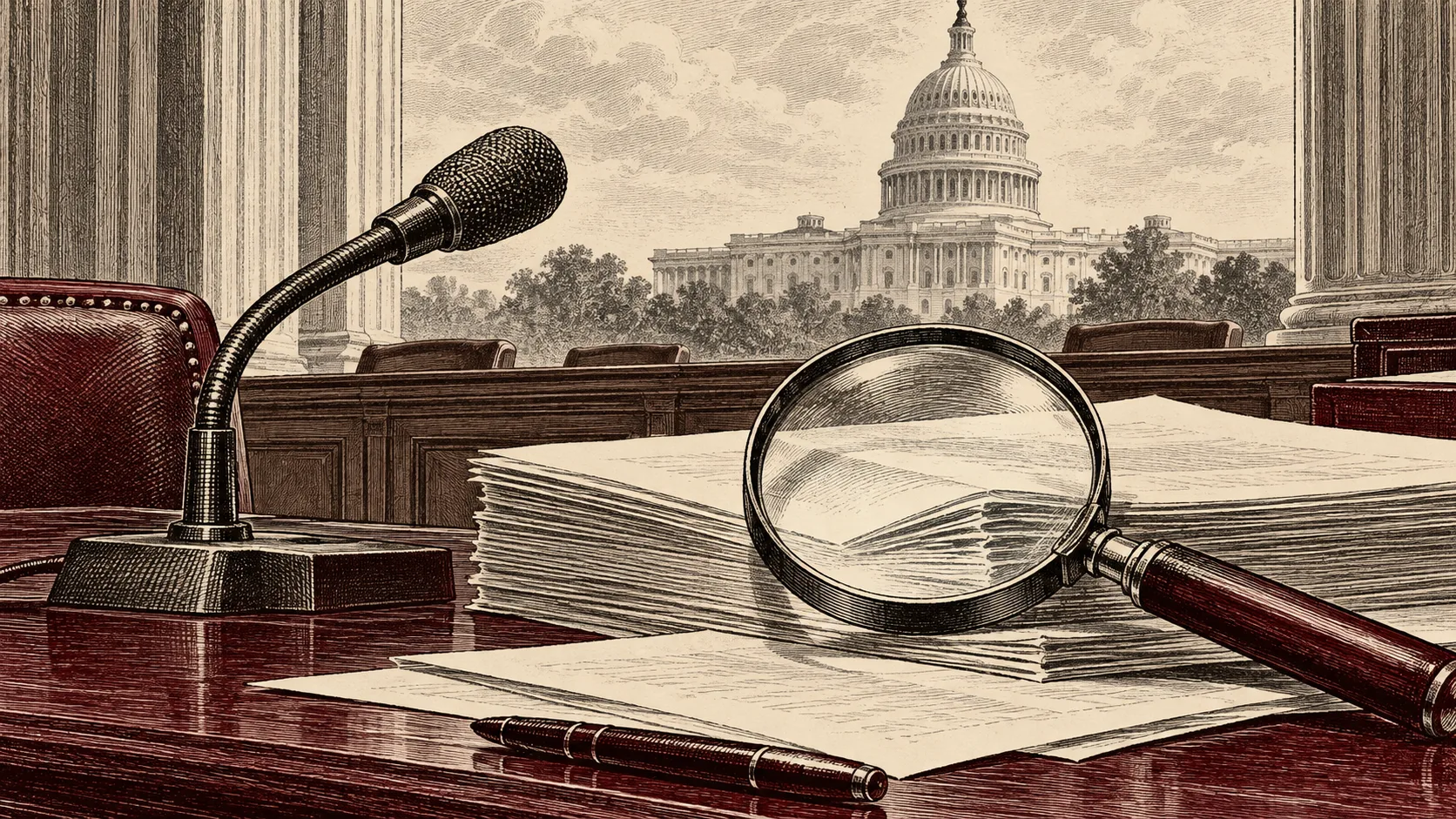
Congress should follow the financial evidence without treating unpopular opinions as proof of foreign control.
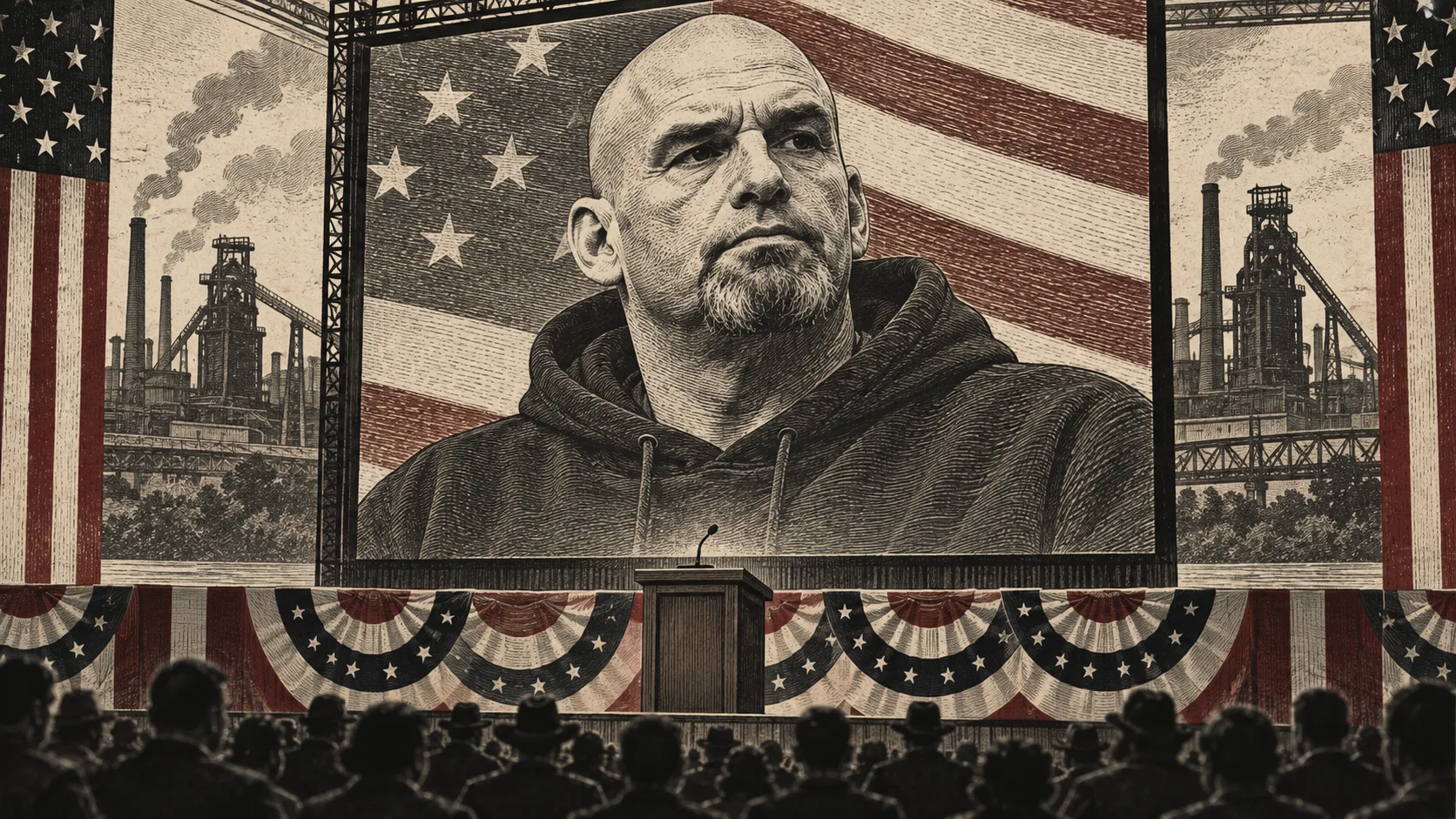
His convention video was a political choice, not a party switch. The backlash raises a harder question about how much independence either party really tolerates.

New York has released roughly 170,000 pages on the aftermath of 9/11. Honoring responders should include giving them access to the government’s records.

The Texas Democrat presents himself as a Christian alternative to the angry Left. But when faith is repeatedly rewritten to validate progressive politics, voters are entitled to ask which one is really in charge.

Employment law may protect an adult from discrimination. It does not follow that a public school can compel children to affirm beliefs about sex and identity that they do not share.
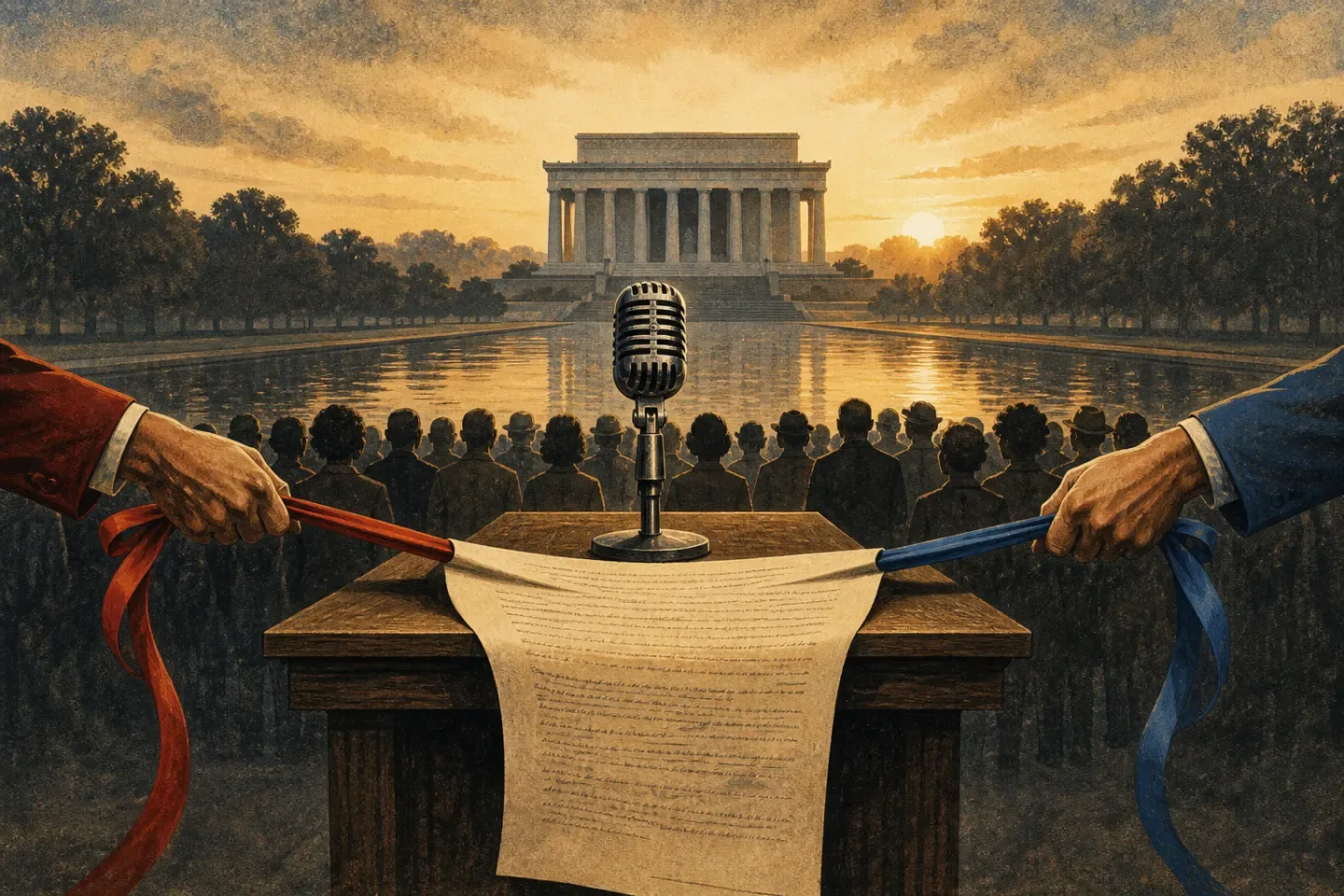
Sixty-three years after the March on Washington, the Left and Right still compete to inherit King’s moral authority. Neither side should be allowed to keep only the sentences it finds convenient.
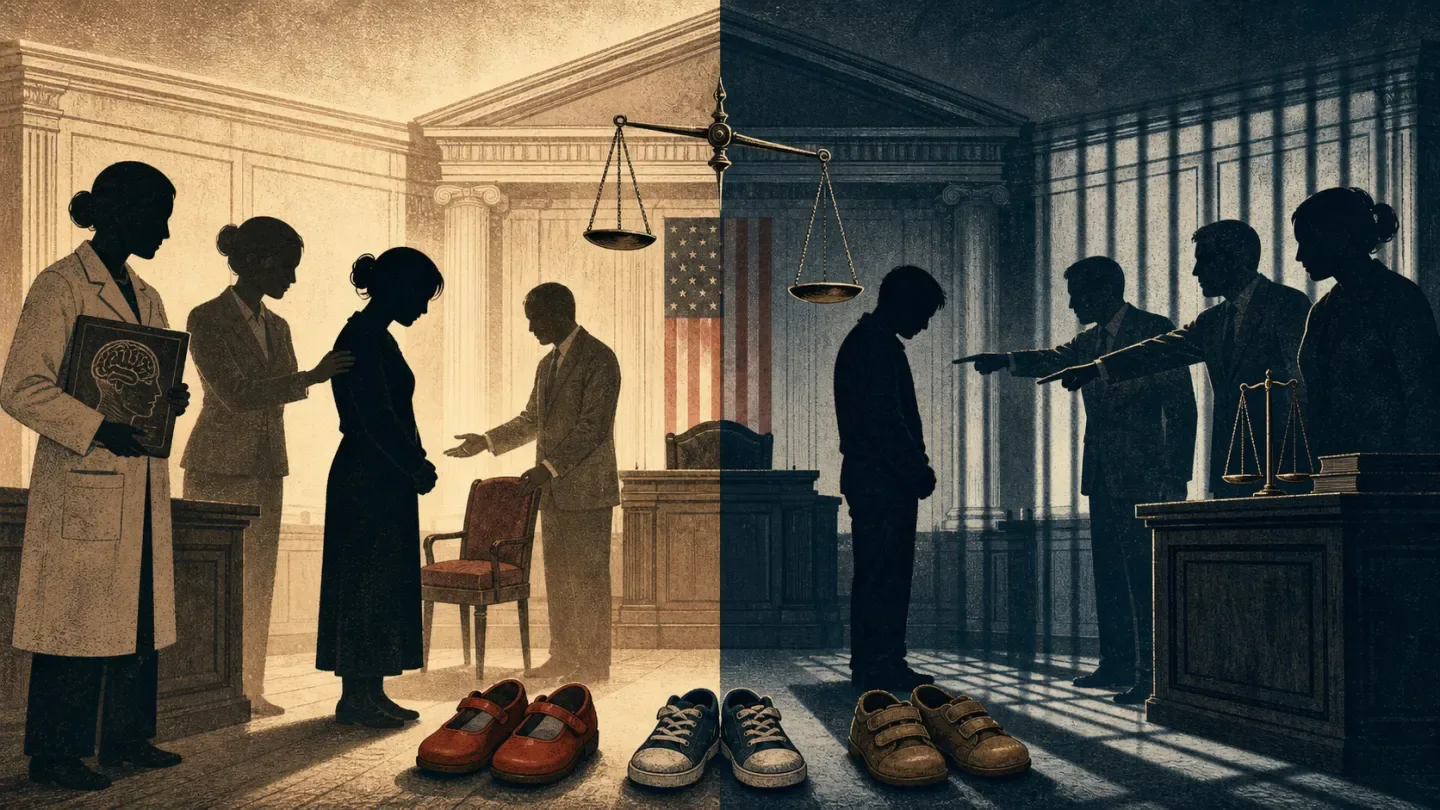
Mental illness should matter whenever it destroys a parent’s grasp on reality. Too often, however, compassion is treated as a maternal privilege while troubled men are granted only condemnation.

London’s most recognizable cathedral has made Fabric its exclusive contemporary-music partner through 2030. The arrangement raises a question institutions keep avoiding: what is a sacred place for?

A once-admired school district adopted an ideological theory of governance while enrollment fell, finances cracked, and leaders treated a dangerous encampment beside a K–8 school as a lesson in compassion rather than a failure of basic governance.

The American Federation of Teachers is mobilizing members against a retailer over immigration politics—another reminder that the modern teachers union is a political machine with classrooms attached.

Social-media companies have earned public distrust. But handing governments a universal age-verification machine could turn a child-safety campaign into permanent identity surveillance.

Taxpayers fund America’s national museums. They are entitled to ask why so much institutional history sounds like an indictment written by people embarrassed by the country that pays them.

Executives learned that ideological branding creates political risk. Instead of holding an honest debate, many companies are replacing loaded terminology while preserving policies behind closed doors.