Media
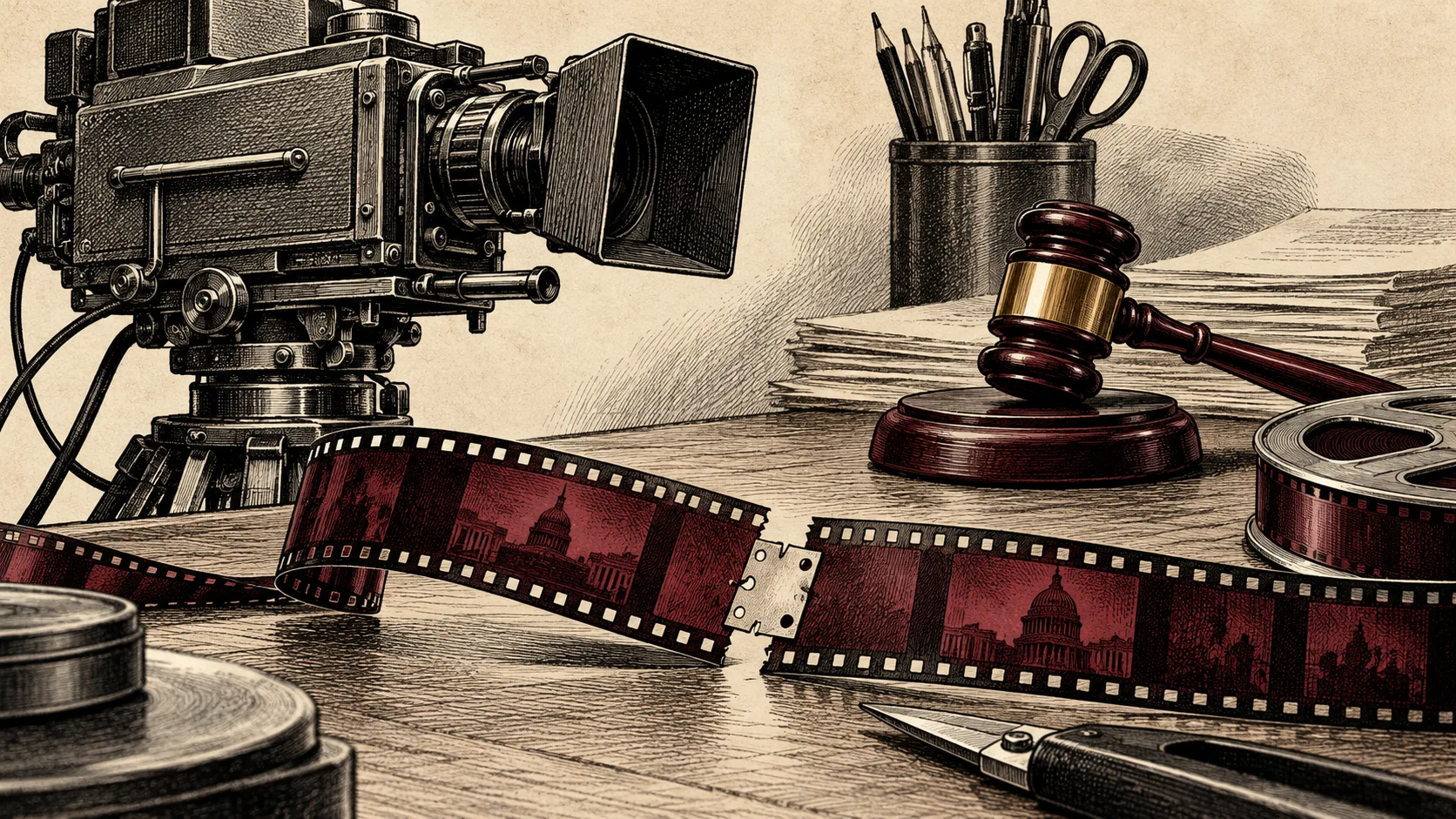
The BBC’s Trump Edit Deserves Scrutiny—Whatever Happens in Court
A deposition deadline is no verdict on the BBC’s journalism. The broadcaster’s editing and Trump’s legal obligations deserve separate, consistent scrutiny.
Claire Whitmore is a conservative writer covering culture, family, education, media, and the rapidly changing expectations placed on women in modern America. Her work examines the intersection between politics and everyday life, particularly debates surrounding motherhood, relationships, career expectations, schools, and popular culture. Whitmore is skeptical of political movements that treat traditional choices as inherently outdated and argues that genuine freedom requires allowing women to define success for themselves. At The Dispatch Room, she brings a measured but unapologetically conservative perspective to some of the country’s most contentious cultural debates.
A deposition deadline is no verdict on the BBC’s journalism. The broadcaster’s editing and Trump’s legal obligations deserve separate, consistent scrutiny.
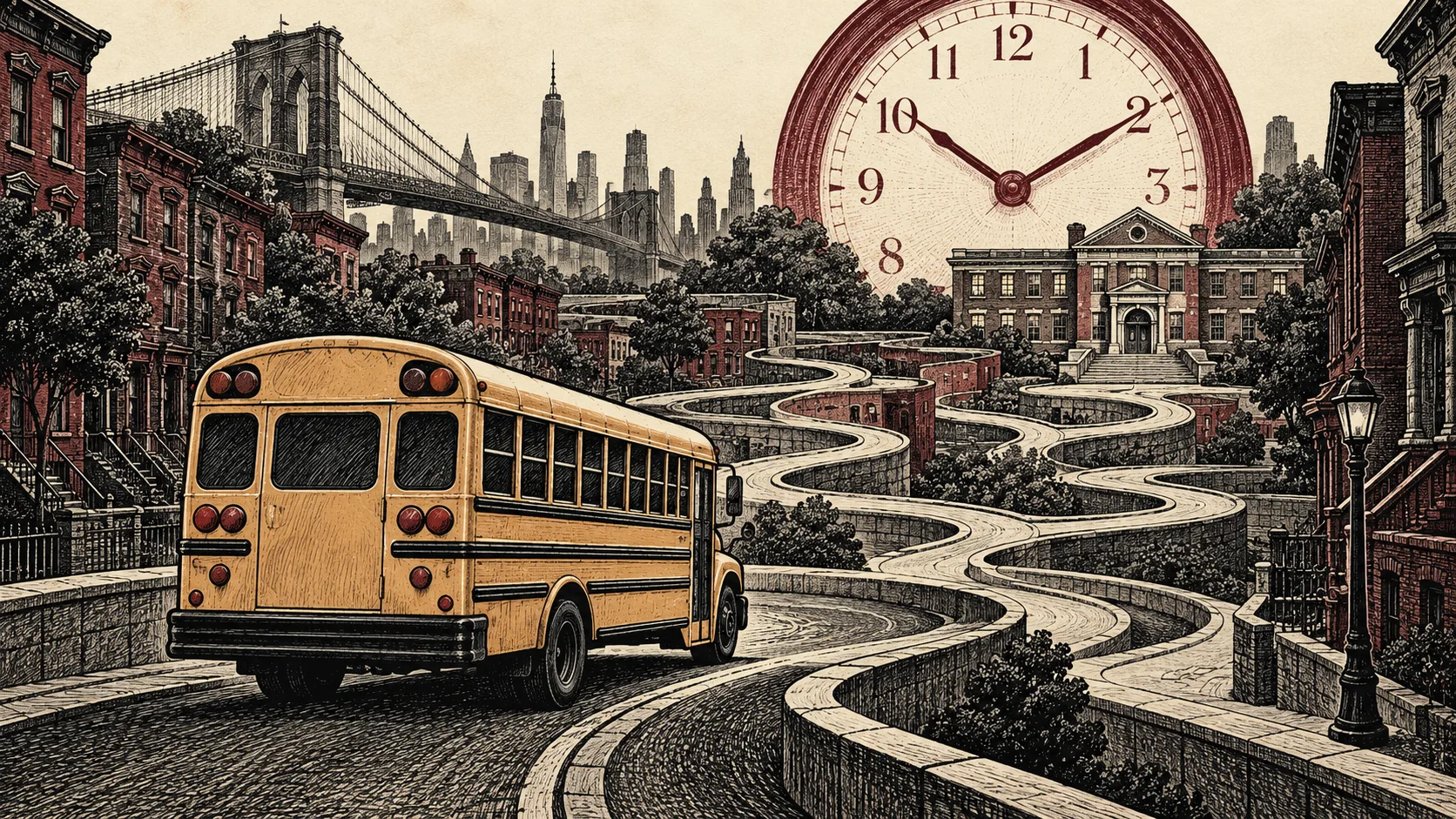
A newly reported school-bus investigation raises basic questions about supervision, communication and who answers when vulnerable children are let down.
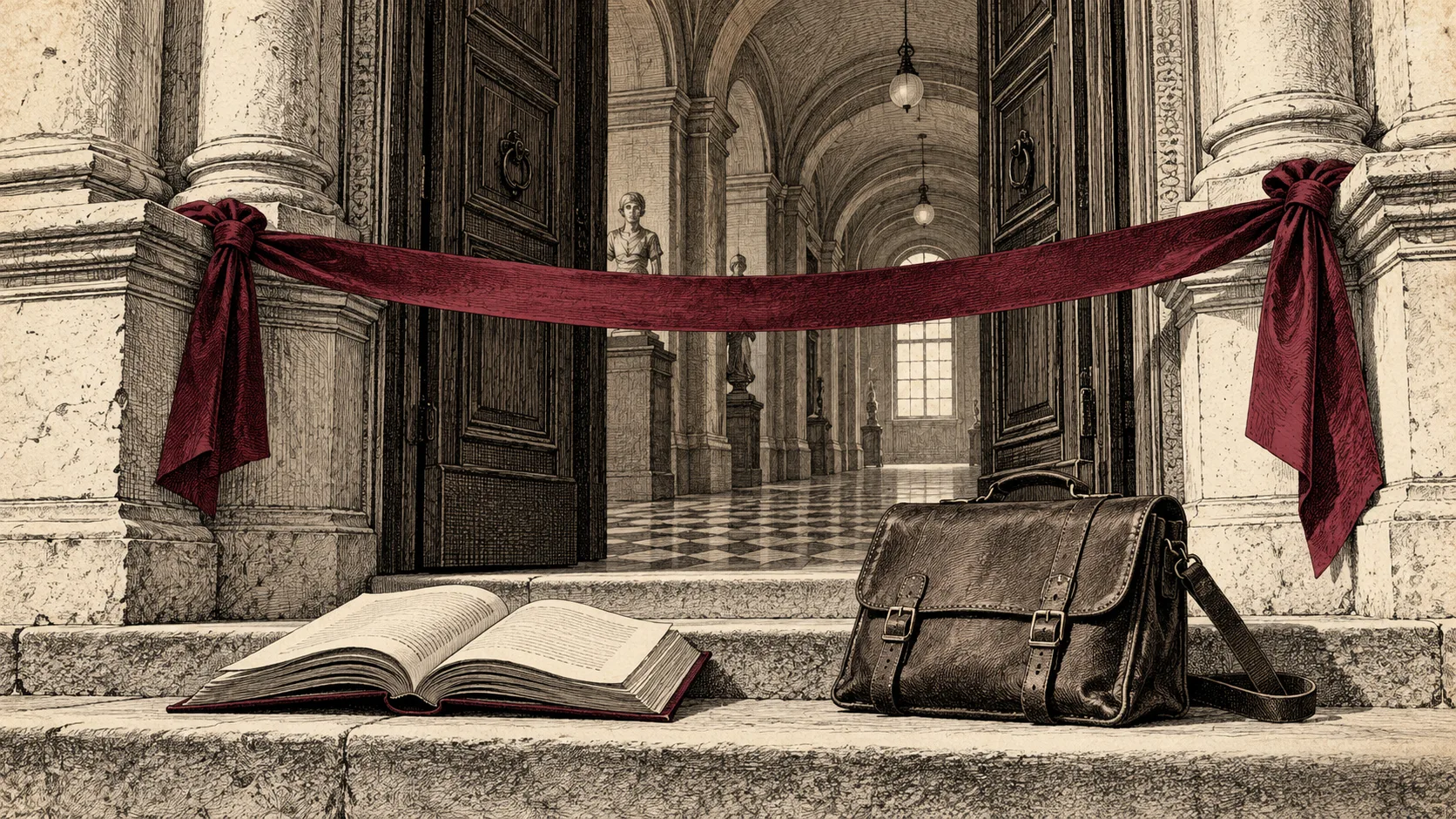
The canceled Reggio Emilia trip raises a basic question: should professional learning depend on a declaration about Israel?
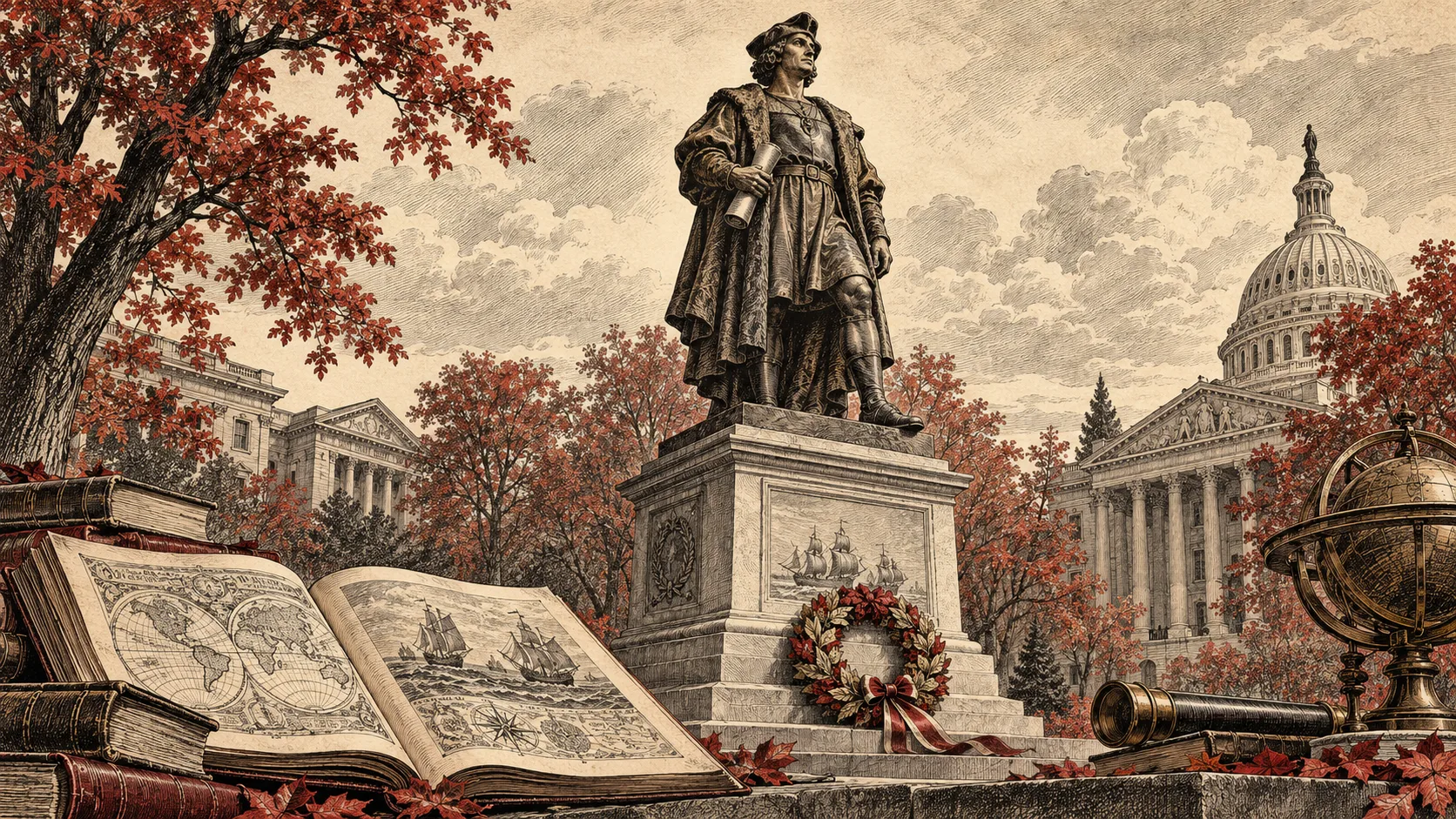
The renewed monument dispute calls for fuller history and genuine public debate—not an assumption that removal is progress.

New York’s virtual-tutoring exemption shows why classroom technology rules should serve learning rather than slogans.
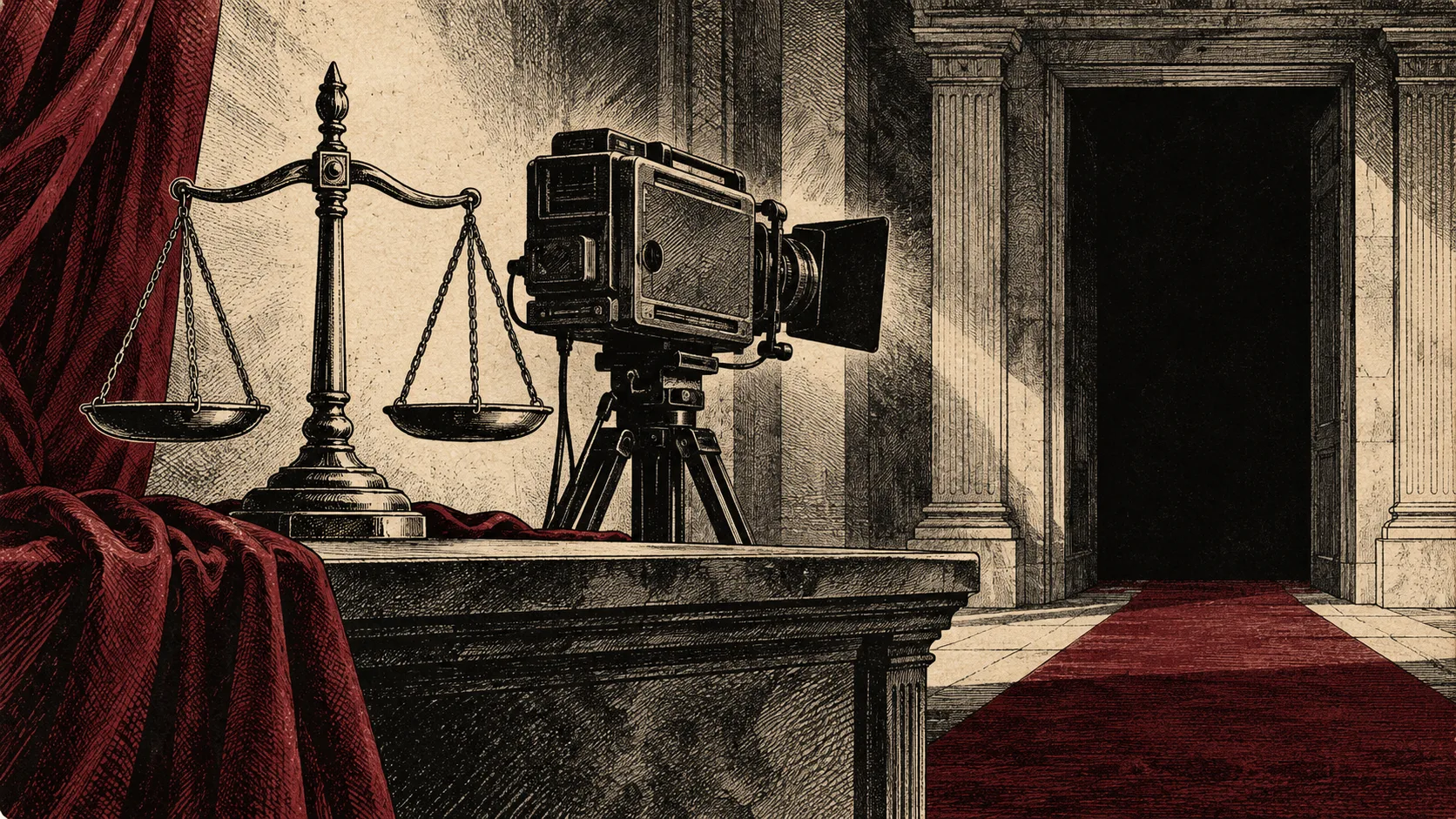
The Fort Hood execution-broadcast plan raises a conservative question about restraint, accountability and the spectacle of state power.

PEN’s new school-library figures demand scrutiny. So do the definitions, age distinctions and decisions behind them.

The FTC’s new inquiry should demand evidence from AI companies—and clear limits on government power.
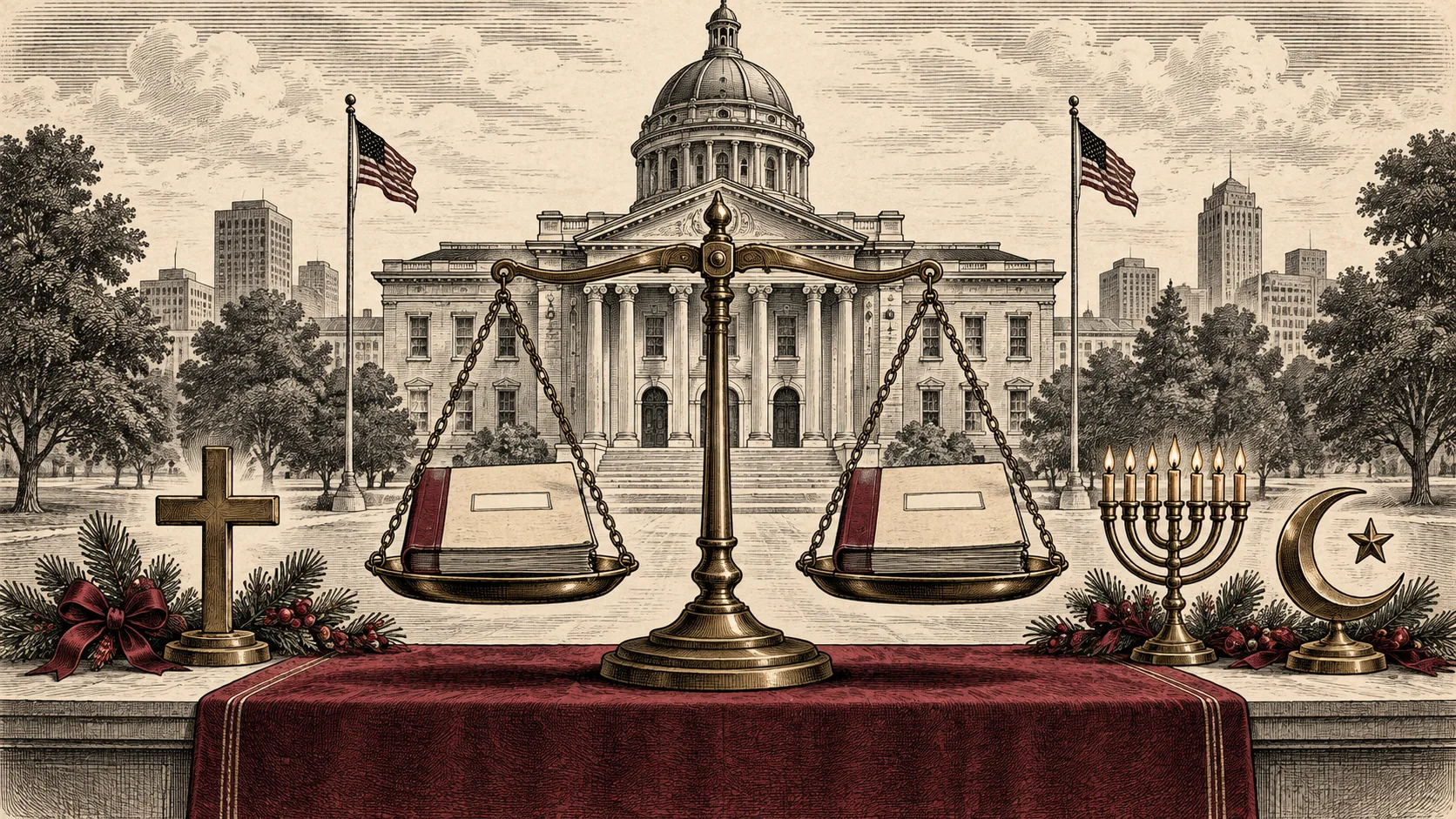
A lawsuit challenges the city’s religious holiday spending. Transparent rules would tell residents more than another promise of inclusion.
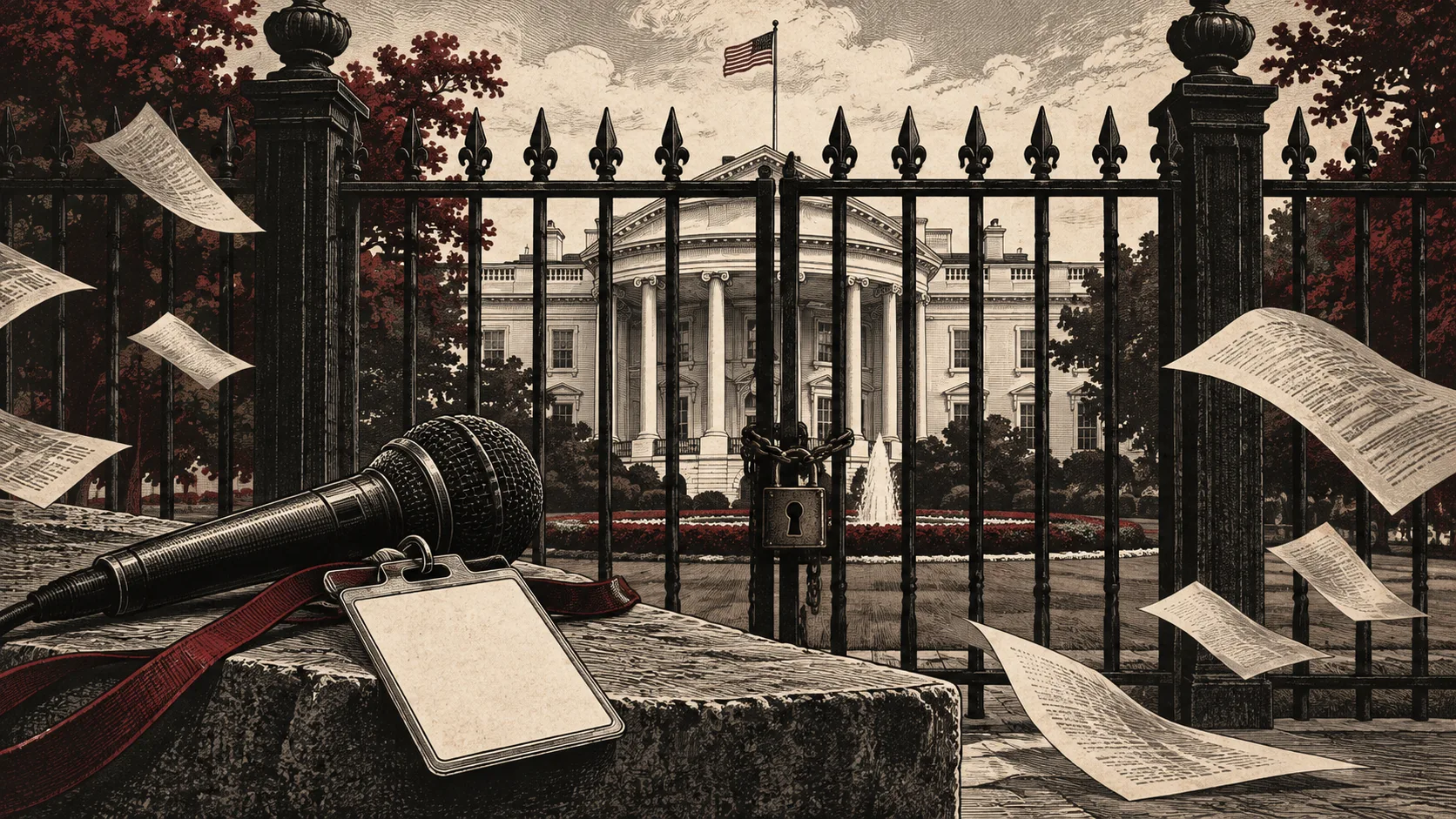
The White House access fight tests whether conservatives want limits on government power even when the excluded outlets are ones they distrust.

New South Wales is setting classroom screen limits. American schools should consider the principle without pretending every device is a problem.

Microsoft's new school privacy agreement is a welcome step. Parents still deserve to know which tools it covers—and why their children need them.
A New Jersey lawsuit challenges who decides what parents learn about their children. Student safety deserves serious protection—and parental involvement deserves more than an afterthought.
A federal study found women more likely to receive probation after accounting for available case characteristics. Equal treatment requires taking that finding seriously without pretending it explains every case.

Duffy’s crackdown puts driving schools and license testers under scrutiny. Families sharing the highway deserve standards that mean something.
Kevin Reddington’s televised appeal follows a mistrial, but presidential clemency does not cover the Massachusetts charges against his client.
Primary-season loyalty was displayed in bold type. With the general election approaching, some Republican campaigns appear considerably less eager to keep Donald Trump’s name on the page.
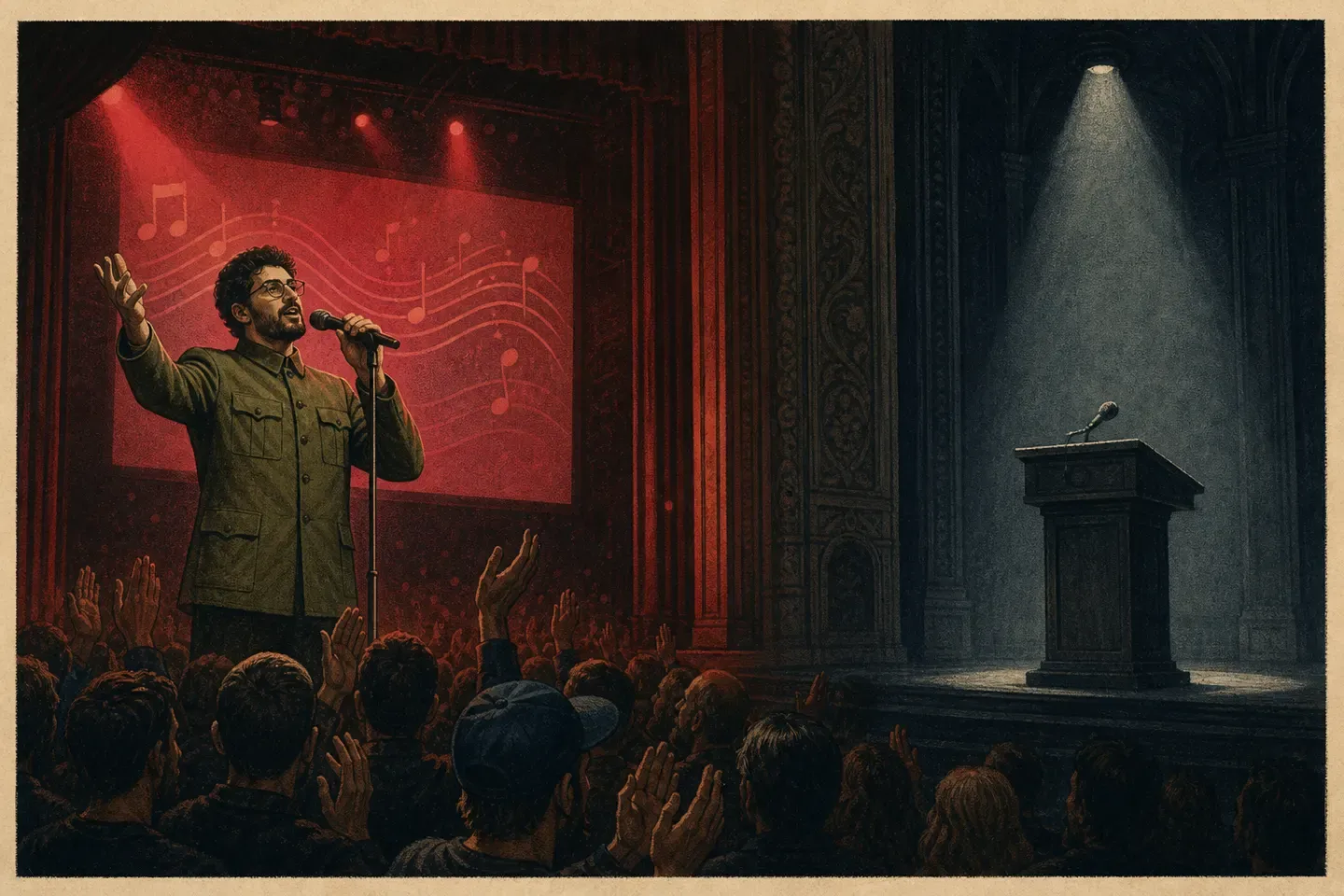
The socialist streamer did not offer an argument or challenge an idea. He transformed the murder of a political opponent into entertainment for a cheering crowd.
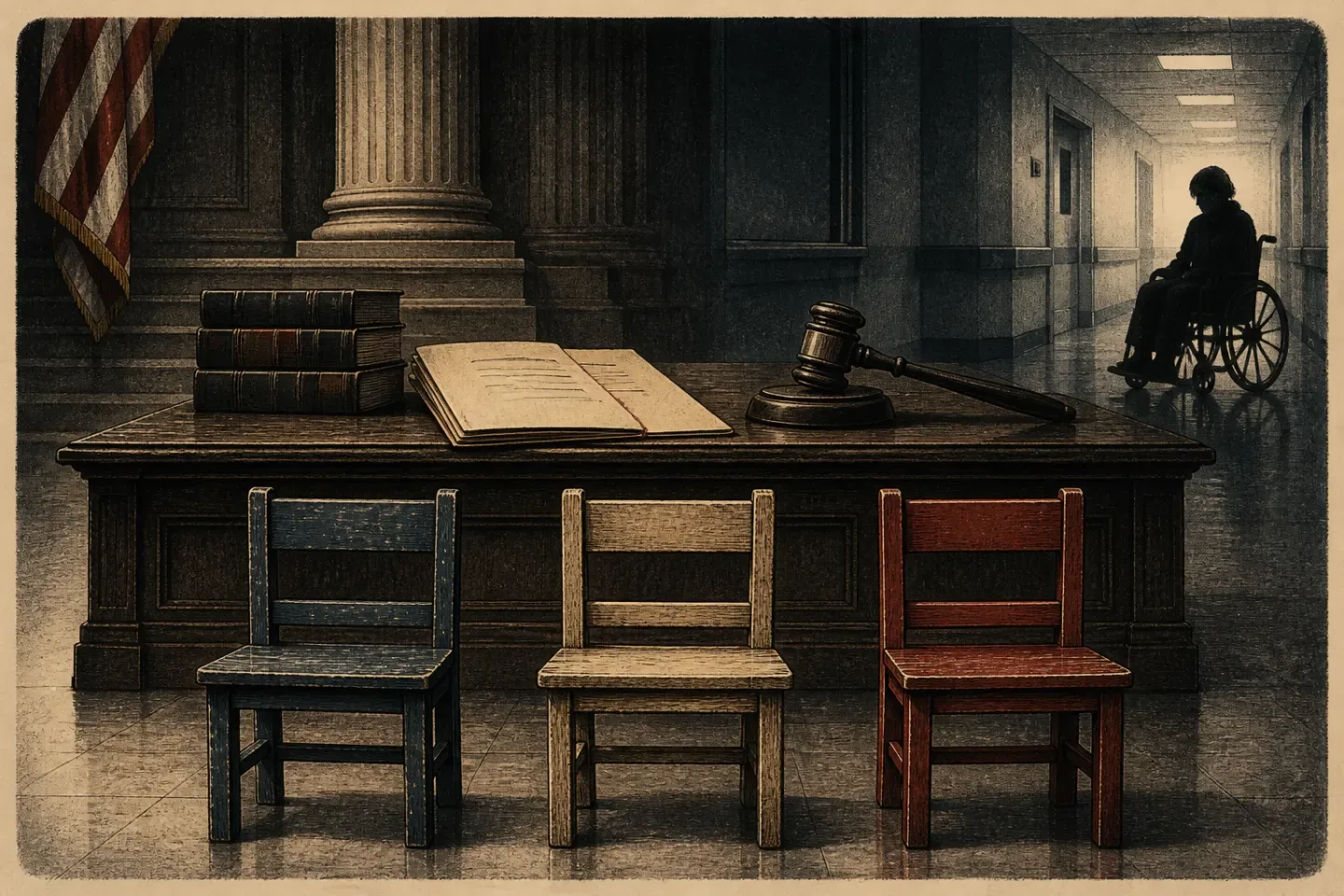
Medical negligence can be real and postpartum illness can be devastating. Neither should push Cora, Dawson and Callan out of the story while their mother seeks damages.
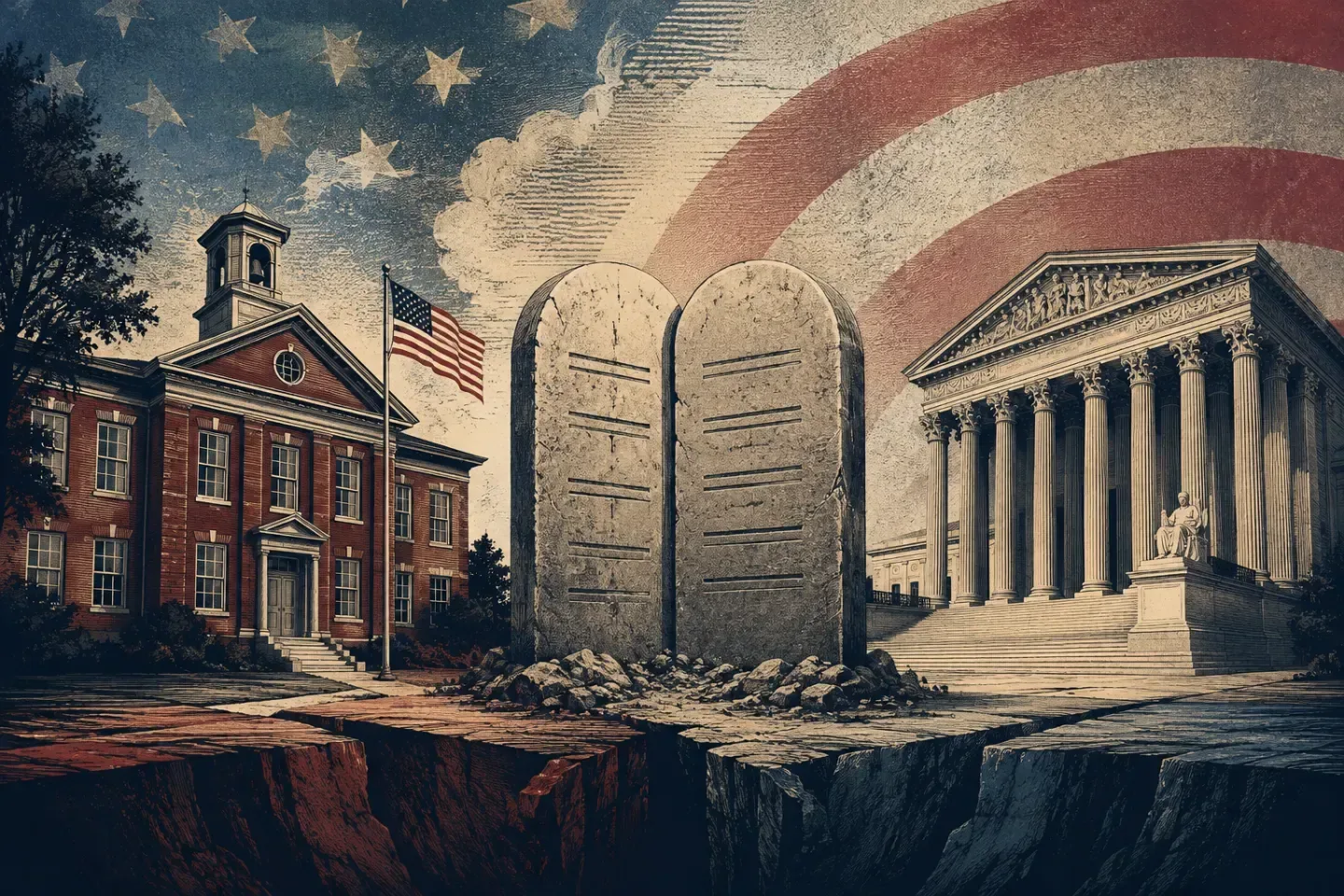
Texas has placed history, religion and parental authority on a collision course—and the justices may soon have to draw a new constitutional line.
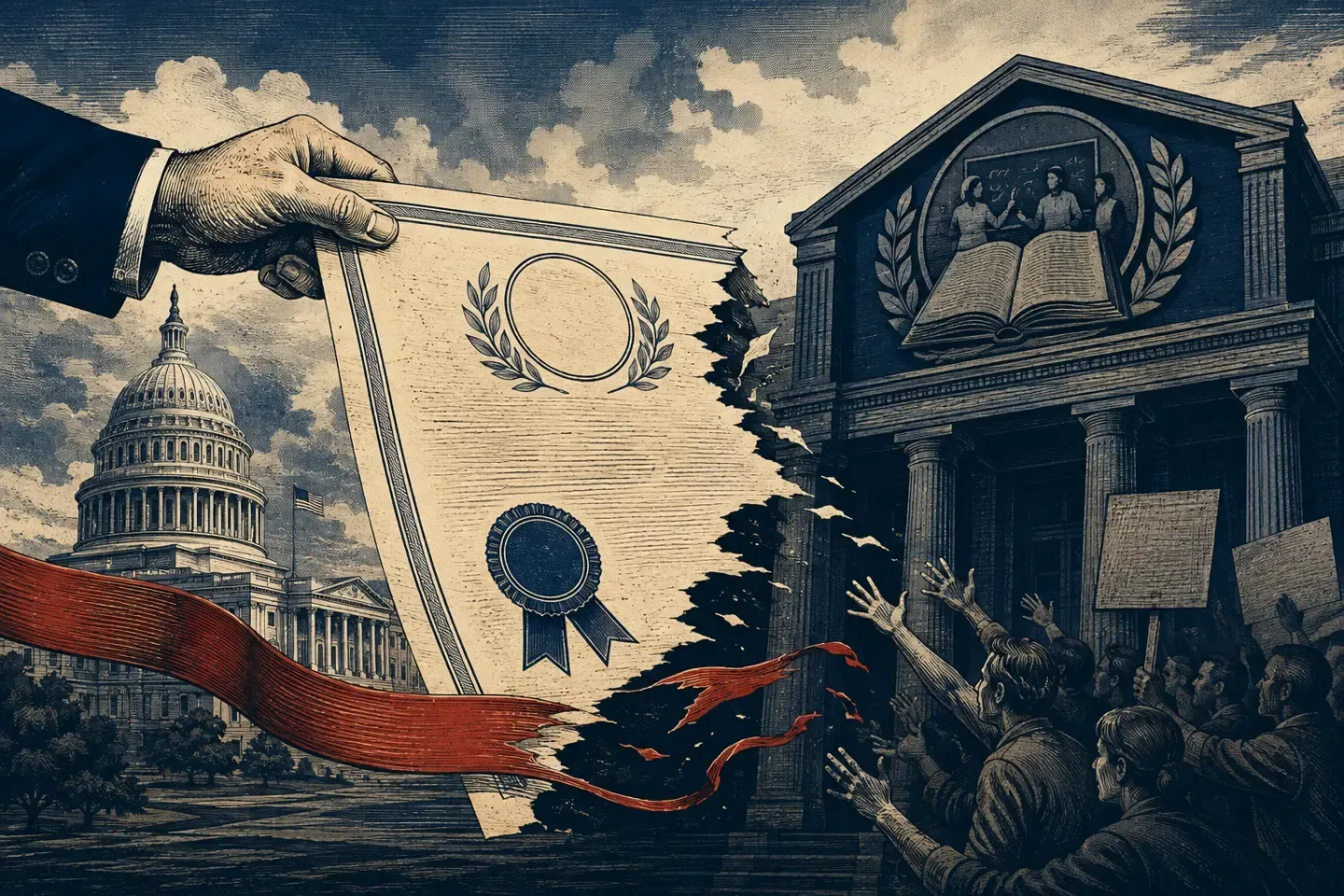
The campaign to repeal the National Education Association’s congressional charter asks a question the union’s defenders would rather avoid: what public purpose does this recognition still serve?
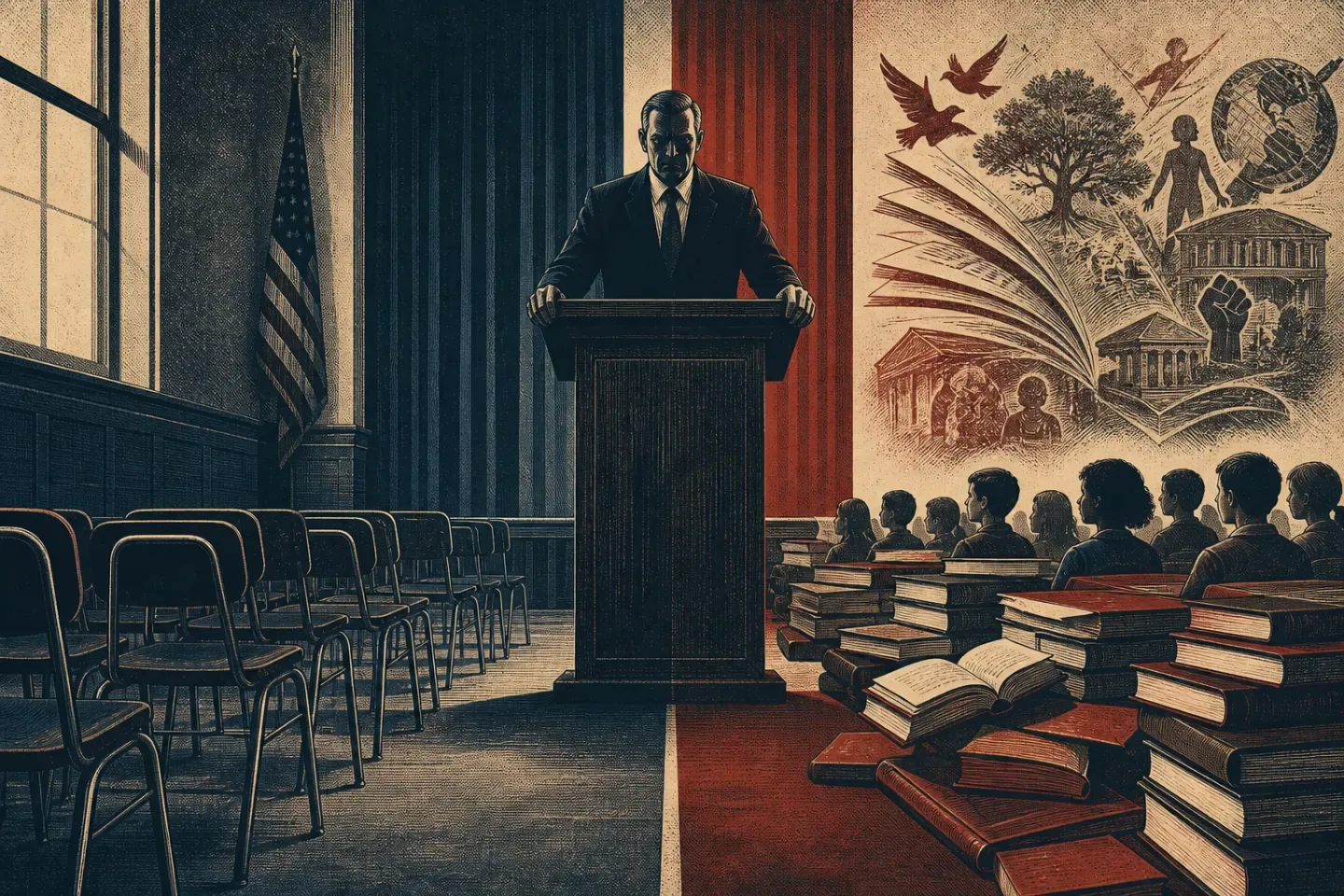
The Cobb County controversy is bigger than one speech. It is about whether parents are still allowed to ask what schools place in front of their children.
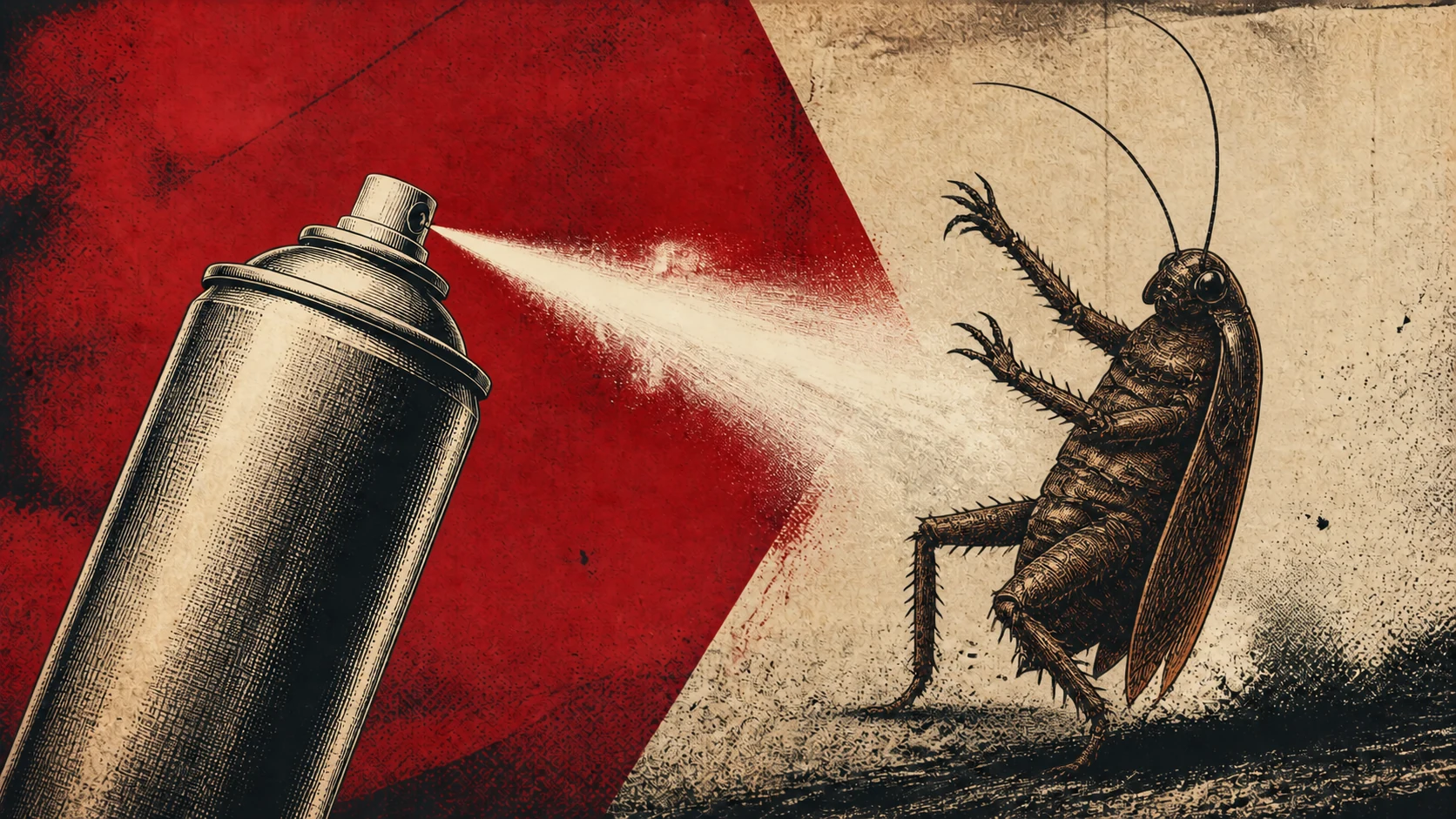
The socialist streamer’s defenders blame misleading clips and conservative outrage. But his radicalism is not hidden in ten seconds of video. It is the foundation of his politics.
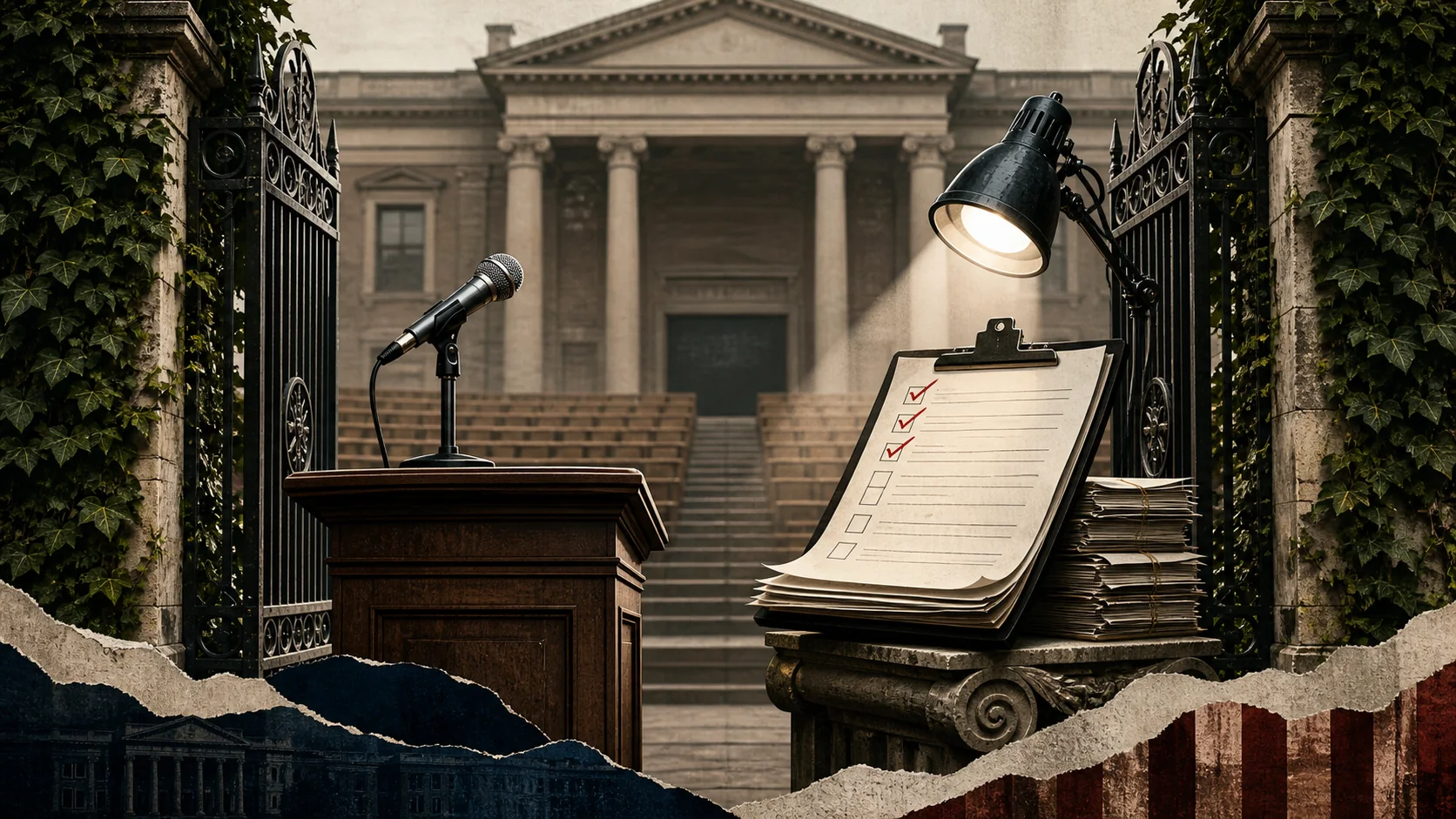
Colleges spent years regulating speech, narrowing acceptable opinion, and demanding ideological statements. Now a federal request for public transparency has them reaching for the language of independence.
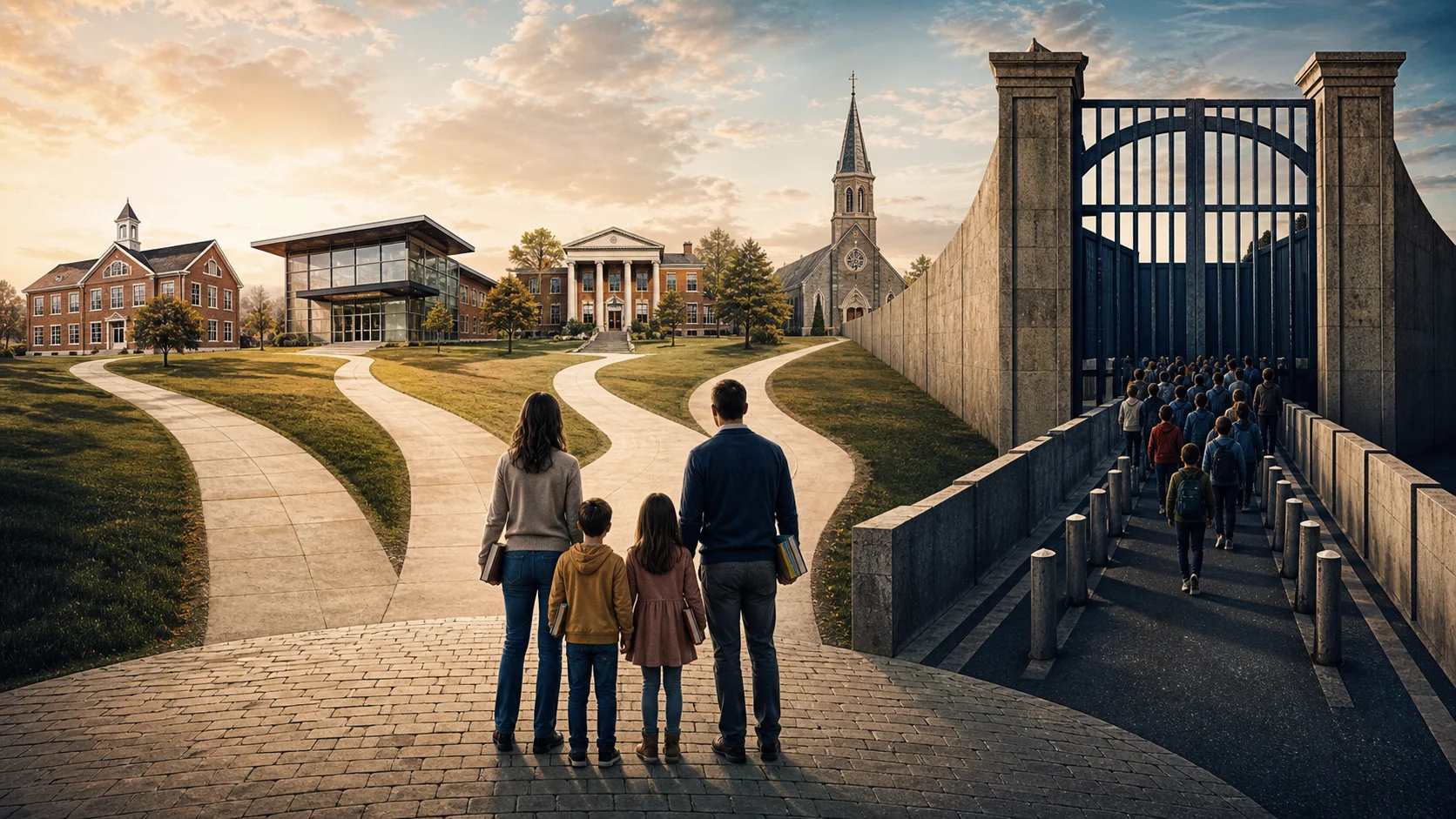
A New York union leader says religious and private education can divide the country. The real threat, apparently, is a family escaping the system the unions control.

The word became political poison, so progressive institutions buried the branding, softened the slogans, and kept selling the same ideology as ordinary common sense.